
Introduction
This manual provides essential information for the proper use, care, and maintenance of your Naturehike Lightweight Compact Sleeping Bag. Designed for backpacking, camping, and hiking, this sleeping bag offers a balance of portability, comfort, and durability. Please read these instructions thoroughly before first use to ensure optimal performance and longevity of your product.
Key Features:
- Lightweight and compact design for easy transport.
- Two-way zipper for versatile use and splicing with another bag.
- Durable and comfortable fabric (380T 20D Taffta outer, 210T pongee inner).
- Breathable design suitable for various weather conditions.
- Machine washable for easy cleaning.
Setup
Follow these steps to unpack and prepare your sleeping bag for use:
- Unpack: Remove the sleeping bag from its compression sack. The bag will expand as air fills the insulation.
- Allow to Loft: For best insulation performance, allow the sleeping bag to loft for at least 15-30 minutes before use. This allows the filling to expand fully.
- Inspect: Before each use, check the sleeping bag for any signs of damage, such as tears, snags, or zipper malfunctions.

Figure 1: The Naturehike sleeping bag shown both fully unfolded and compressed in its carrying sack.

Figure 2: Demonstrates the compression process, showing the sleeping bag being packed into its sack and then into a backpack.
Operating Instructions
Your Naturehike sleeping bag is designed for versatility and comfort in various outdoor conditions.
- Single Use: Simply unroll the sleeping bag and zip it up for individual use. The two-way zipper allows for easy entry and exit, and can be partially opened for ventilation.
- Double Sleeping Bag Configuration: Two compatible Naturehike sleeping bags can be zipped together to form a larger double sleeping bag. Ensure both bags have complementary zippers (e.g., one left-zip and one right-zip).
- Using as a Quilt: In warmer weather, the sleeping bag can be fully unzipped and laid flat to function as a lightweight quilt or blanket.
- Foot Ventilation: The sleeping bag features a zipper at the foot end, allowing you to open it to free your feet for temperature control and increased airflow.
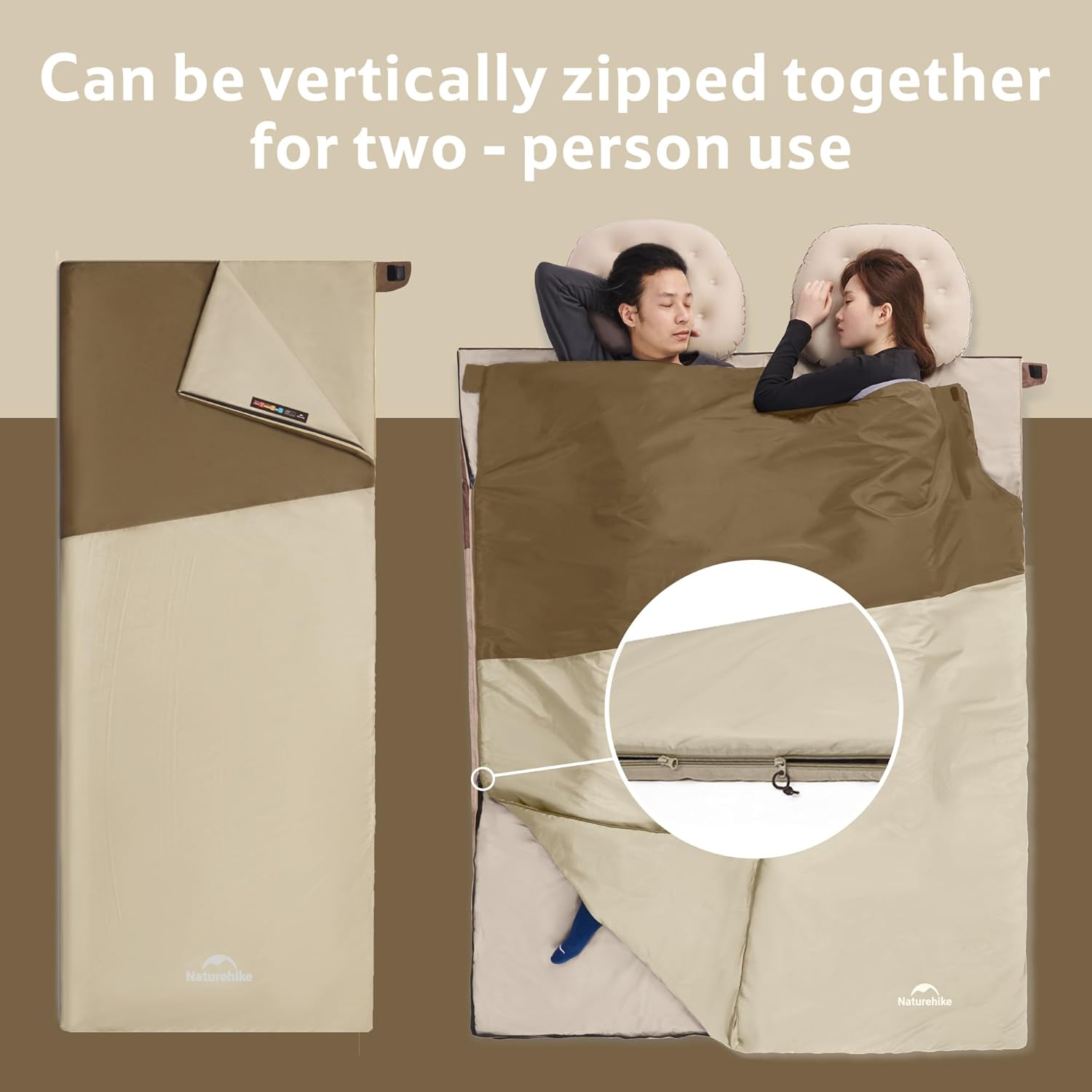
Figure 3: Illustration of two sleeping bags zipped together for a double sleeping arrangement.

Figure 4: The sleeping bag unfolded and used as a summer quilt on a sleeping pad outdoors.
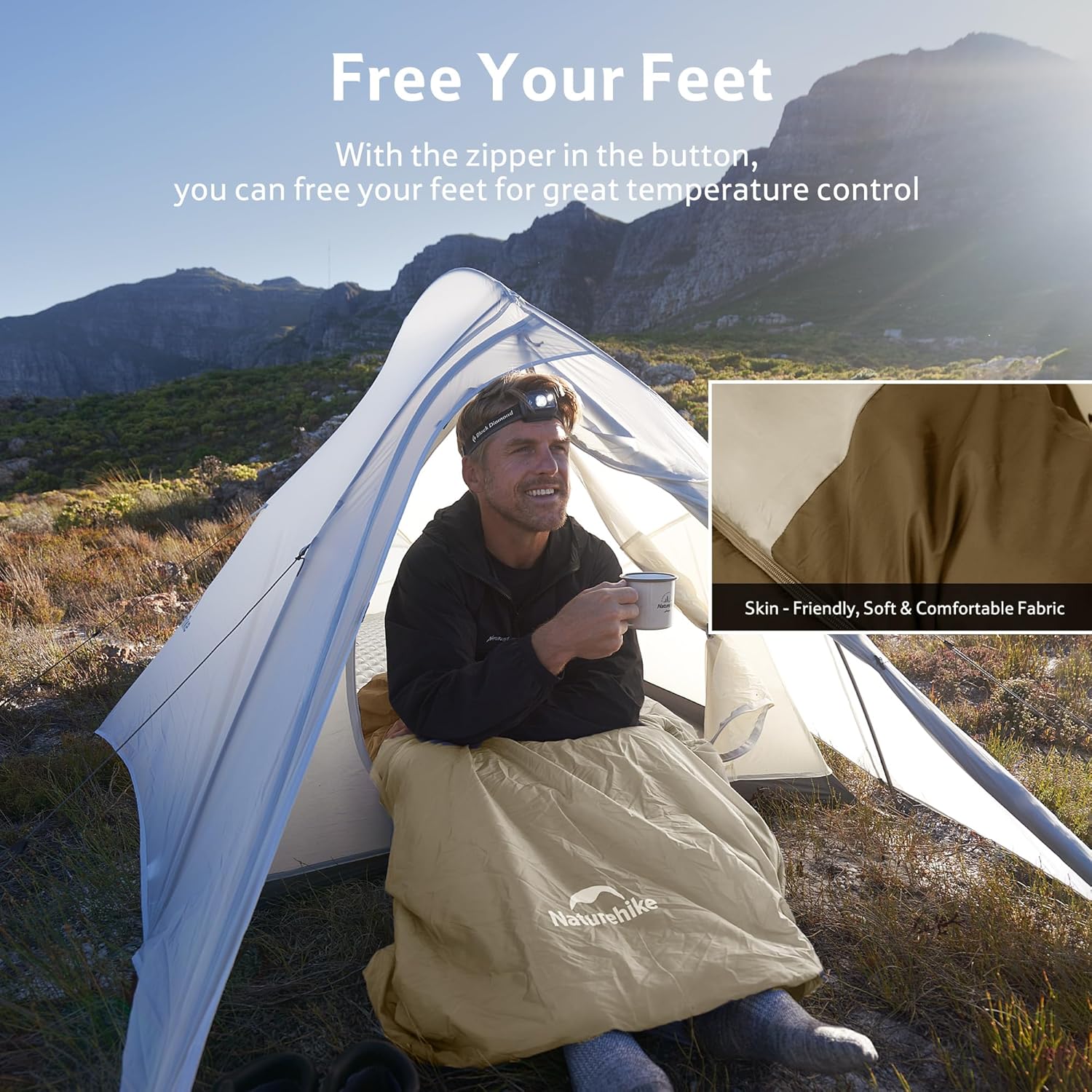
Figure 5: A user demonstrating the foot zipper feature for enhanced ventilation inside a tent.
Temperature Rating
The sleeping bag is rated for specific temperature ranges. Please note that individual comfort levels may vary based on factors such as clothing, metabolism, and environmental conditions.

Figure 6: Temperature rating guide, indicating Comfort, Transition, and Extreme temperature ranges. The Comfort range is 12°C (51.8°F), Transition range is 6°C (42.8°F), and Extreme range is -8°C (17.6°F).
Maintenance
Proper care will extend the life and performance of your sleeping bag.
- Cleaning: The sleeping bag is machine washable. Use a front-loading washing machine with a gentle cycle and cold water. Use a mild detergent. Avoid top-loading machines with agitators as they can damage the insulation.
- Drying: Tumble dry on low heat with a few clean tennis balls to help fluff the insulation. Ensure the sleeping bag is completely dry before storing to prevent mildew. Air drying in a shaded, well-ventilated area is also an option.
- Storage: Store the sleeping bag uncompressed in a cool, dry place when not in use. Prolonged compression can reduce the loft and insulating properties. Use the provided compression sack only for transport.
Troubleshooting
Here are solutions to common issues you might encounter:
- Issue: Sleeping bag feels cold despite temperature rating.
Solution: Ensure the sleeping bag has fully lofted. Consider using a sleeping pad for ground insulation. Wear appropriate base layers. - Issue: Zipper snags.
Solution: Gently pull the fabric away from the zipper teeth while zipping. Apply a silicone-based zipper lubricant if snags persist. - Issue: Difficulty compressing the bag into the sack.
Solution: Start by stuffing the foot end first, then gradually work the rest of the bag into the sack. Apply even pressure.
Specifications
| Feature | Detail |
|---|---|
| Model | LW180 (Brown-51.8℉ variant) |
| Outer Fabric | 380T 20D Taffta (Polyester) |
| Inner Lining | 210T Pongee and Polyester Fiber |
| Weight | Approximately 771.1g / 27.2oz (1.7 lbs / 0.76 kg) |
| Packed Dimensions | Approximately 5.1 × 12.2 inches (13 × 31 cm) |
| Unfolded Dimensions | Approximately 80.7 × 33.5 inches (205 × 85 cm) |
| Temperature Rating (Comfort) | 12°C / 51.8°F |
| Temperature Rating (Transition) | 6°C / 42.8°F |
| Temperature Rating (Extreme) | -8°C / 17.6°F |
| Origin | Imported |
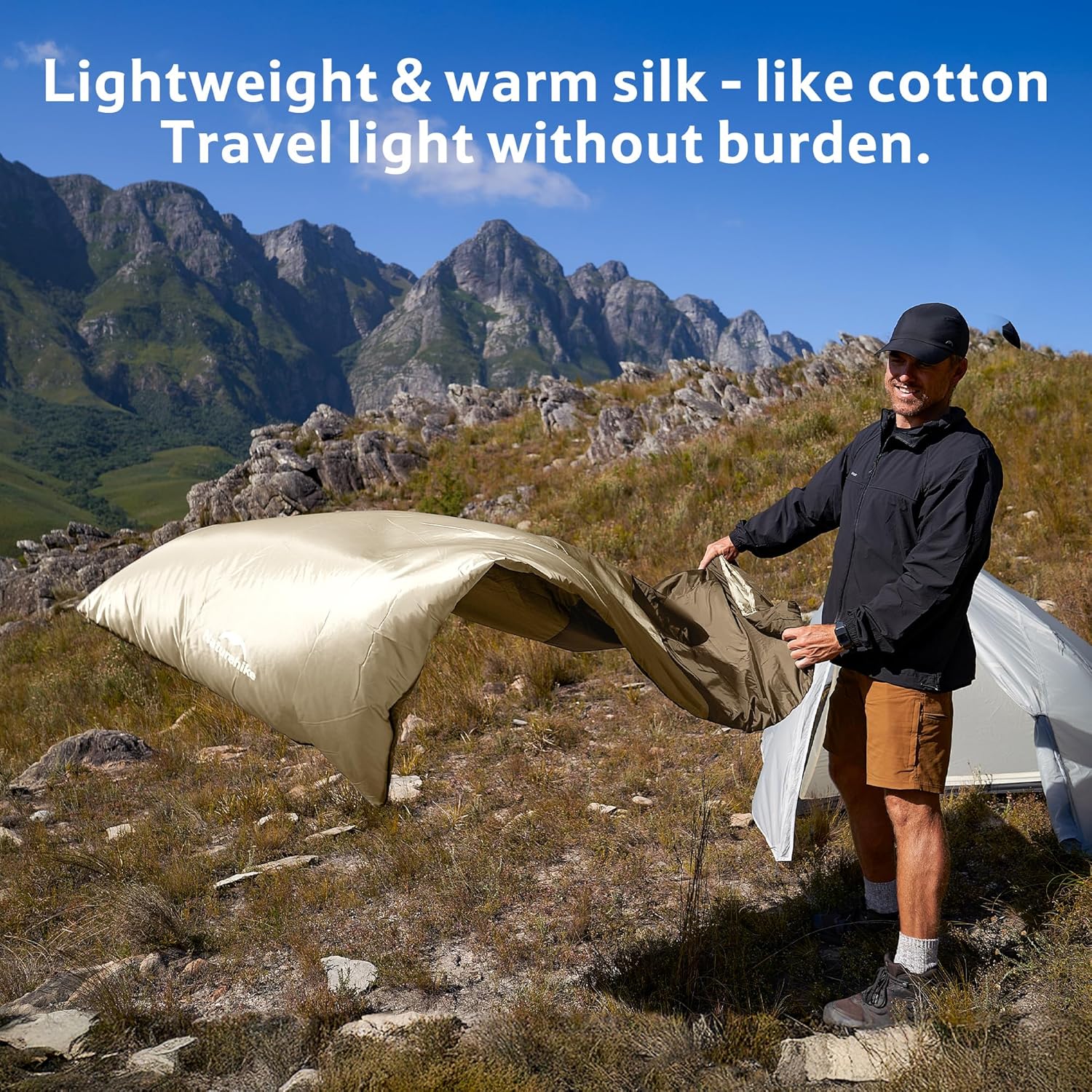
Figure 7: Detailed dimensions of the sleeping bag when unfolded and packed, along with its weight.

Figure 8: Size chart to help determine the appropriate sleeping bag size based on height and body measurements.
Warranty Information
For specific warranty details and terms, please refer to the official Naturehike website or contact Naturehike customer support directly. Keep your proof of purchase for any warranty claims.
Support
If you require further assistance or have questions not covered in this manual, please visit the official Naturehike website or contact their customer service department. Contact information can typically be found on the product packaging or the brand's official online store.
You can also visit the Naturehike Store on Amazon for additional product information and support resources.