
Bendix BPR6005
Bendix Premium Drum and Rotor BPR6005 Front Euro Brake Rotor - Instruction Manual
Model: BPR6005
1. Introduction
This instruction manual provides essential information for the Bendix Premium Drum and Rotor BPR6005 Front Euro Brake Rotor. These rotors are engineered and manufactured in Europe to meet specific vehicle requirements, utilizing platform-specific casting configurations and advanced machine specifications. Understanding the product's features, proper installation, and maintenance will ensure optimal performance and longevity.
2. Product Overview
The Bendix Premium Euro Brake Rotor is designed for superior braking performance and durability. Key features include:
- Surface-Lok Silver Coating: This protective coating guards against corrosion, maintaining the rotor's appearance, especially through open wheel designs.
- Factory Mill Balancing: Ensures smooth rotor-to-pad contact and quiet operation, contributing to improved pedal response.
- OEM Style Vane Configurations: Engineered to efficiently dissipate heat away from the inner wheel and caliper, accelerating the cooling process for enhanced performance and extended life.

Figure 2.1: Angled view of the Bendix Premium Euro Brake Rotor, showcasing its silver coating and vane design.
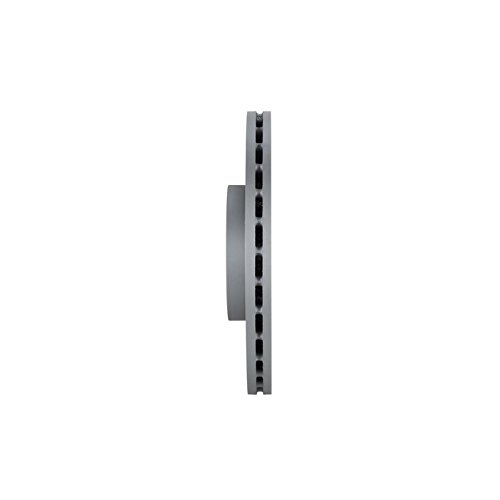
Figure 2.2: Side profile view of the brake rotor, highlighting its thickness and ventilation channels.
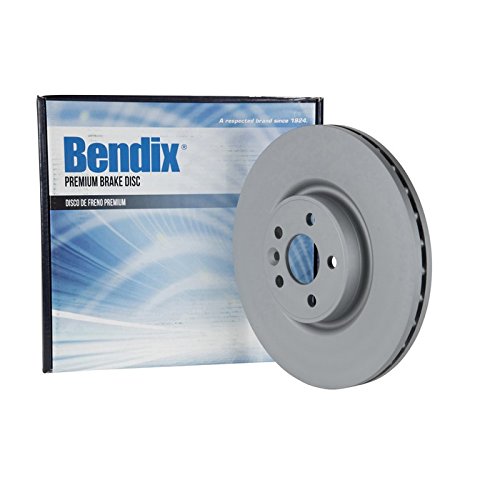
Figure 2.3: The Bendix Premium Euro Brake Rotor displayed alongside its official product packaging.
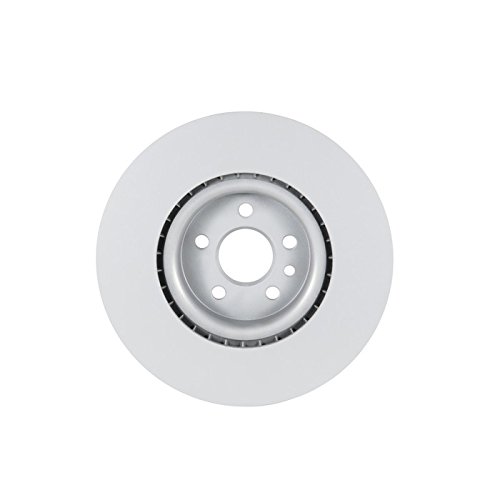
Figure 2.4: Top view of the brake rotor, showing the hub mounting holes and central bore.
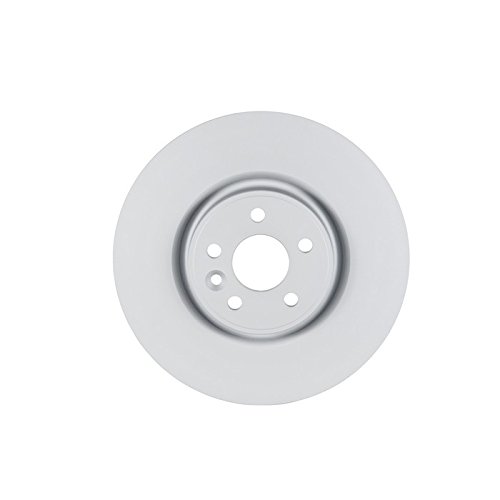
Figure 2.5: Another perspective of the brake rotor, emphasizing its precision-machined surfaces.
3. Safety Information
Always prioritize safety when working with vehicle components. Improper installation or handling can lead to serious injury or vehicle damage. It is highly recommended that installation be performed by a qualified automotive professional.
- Wear appropriate personal protective equipment (PPE), including safety glasses and gloves.
- Ensure the vehicle is securely supported on jack stands before beginning any work.
- Use only the correct tools for the job.
- Never work under a vehicle supported only by a jack.
- Keep hands and clothing clear of moving parts.
- Dispose of old parts and fluids responsibly according to local regulations.
4. Setup and Installation
Installation of brake rotors requires mechanical expertise and specialized tools. The following steps are a general guide and should be supplemented with vehicle-specific service manual instructions.
- Vehicle Preparation: Park the vehicle on a level surface, engage the parking brake, and block the wheels. Loosen the lug nuts on the wheel(s) to be serviced.
- Lift Vehicle: Safely lift the vehicle and support it with jack stands. Remove the wheel(s).
- Remove Caliper: Carefully remove the brake caliper assembly from its mounting bracket. Do not let the caliper hang by the brake hose; support it with a wire or hook.
- Remove Caliper Bracket: Unbolt and remove the caliper mounting bracket.
- Remove Old Rotor: Remove any retaining screws or clips holding the old rotor in place. The rotor may be seized to the hub and require gentle persuasion with a rubber mallet.
- Clean Hub Surface: Thoroughly clean the hub mounting surface to remove any rust, dirt, or debris. A clean, flat surface is critical for proper rotor seating and to prevent runout.
- Install New Rotor: Place the new Bendix Premium Euro Brake Rotor onto the hub, ensuring it sits flush. Secure it with any retaining screws or clips if applicable.
- Reinstall Caliper Bracket: Reattach the caliper mounting bracket and torque bolts to manufacturer specifications.
- Install New Pads (Recommended): It is highly recommended to install new brake pads when replacing rotors for optimal performance and wear.
- Reinstall Caliper: Carefully slide the caliper over the new pads and rotor. Reattach the caliper mounting bolts and torque to specifications.
- Bleed Brakes (If necessary): If brake lines were opened, or if air entered the system, bleed the brake system according to vehicle manufacturer procedures.
- Reinstall Wheel: Mount the wheel, hand-tighten lug nuts, lower the vehicle, and then torque lug nuts to specifications.
5. Operating Considerations
After installation, a proper break-in procedure is crucial for new brake rotors and pads to ensure optimal performance and longevity. Consult your brake pad manufacturer's recommendations for specific break-in procedures. Generally, this involves a series of moderate stops from varying speeds to properly bed the pads to the rotor surface.
During normal operation, the Bendix Premium Euro Brake Rotors are designed to provide consistent and reliable braking. Avoid prolonged heavy braking immediately after installation until the break-in process is complete.
6. Maintenance
Regular inspection of your brake rotors is essential for safety and performance. While brake rotors are wear items, proper maintenance can help extend their lifespan.
- Routine Inspection: Inspect rotors for signs of wear, cracks, deep grooves, or discoloration during tire rotations or other vehicle servicing.
- Cleanliness: Keep the brake area clean from excessive dirt, dust, and road grime.
- Pad Replacement: Always replace brake pads when they reach their minimum thickness. Worn pads can damage rotors.
- Fluid Checks: Ensure brake fluid levels are correct and the fluid is clean.
7. Troubleshooting and Inspection
Recognizing signs of brake rotor issues can prevent further damage and ensure safety. If you experience any of the following symptoms, have your brake system inspected by a qualified technician immediately.
- Vibration or Pulsation: A common sign of rotor runout or warping, often felt through the brake pedal or steering wheel during braking.
- Noise: Squealing, grinding, or clunking noises can indicate worn pads, worn rotors, or loose components.
- Reduced Braking Performance: A spongy pedal, increased stopping distance, or a need for more pedal effort can signal brake system issues, including rotor wear.
- Visible Damage: Look for deep grooves, cracks, excessive rust, or blue spots (indicating overheating) on the rotor surface.
- Minimum Thickness: Rotors have a minimum thickness specification. If the rotor is worn below this, it must be replaced. This measurement requires a micrometer.
8. Specifications
| Attribute | Value |
|---|---|
| Manufacturer | Bendix |
| Brand | Bendix |
| Product Dimensions | 33.6 x 33.6 x 5.21 cm |
| Item Model Number | BPR6005 |
| Manufacturer Part Number | BPR6005 |
| Position | Front |
| Assembly Required | No |
| Item Weight | 11 kg 900 g |
| ASIN | B075JDYGXR |
| Date First Available | 26 December 2017 |
| Generic Name | Front Premium Euro Brake Rotor |
| UPC | 887243243629 |
| Global Trade Identification Number | 00887243243629 |
9. What's in the Box
The product package for the Bendix Premium Drum and Rotor BPR6005 Front Euro Brake Rotor typically includes:
- 1 Brake Rotor
10. Warranty and Support
For warranty information and customer support regarding your Bendix Premium Drum and Rotor BPR6005, please refer to the official Bendix website or contact their customer service directly. Warranty terms and conditions may vary based on region and purchase location.
It is recommended to retain your proof of purchase for any warranty claims.