
1. Overview
The LDSOLAR Sky Dream Series PWM Solar Charge Controller is designed for efficient and reliable management of solar power systems. Utilizing full digital technology and an intuitive LCD display, this controller operates in series PWM mode, optimizing the charging process for extended battery life and enhanced system performance. It is suitable for a wide range of applications, including off-grid solar home systems, traffic indicators, solar street lights, and solar garden lights.
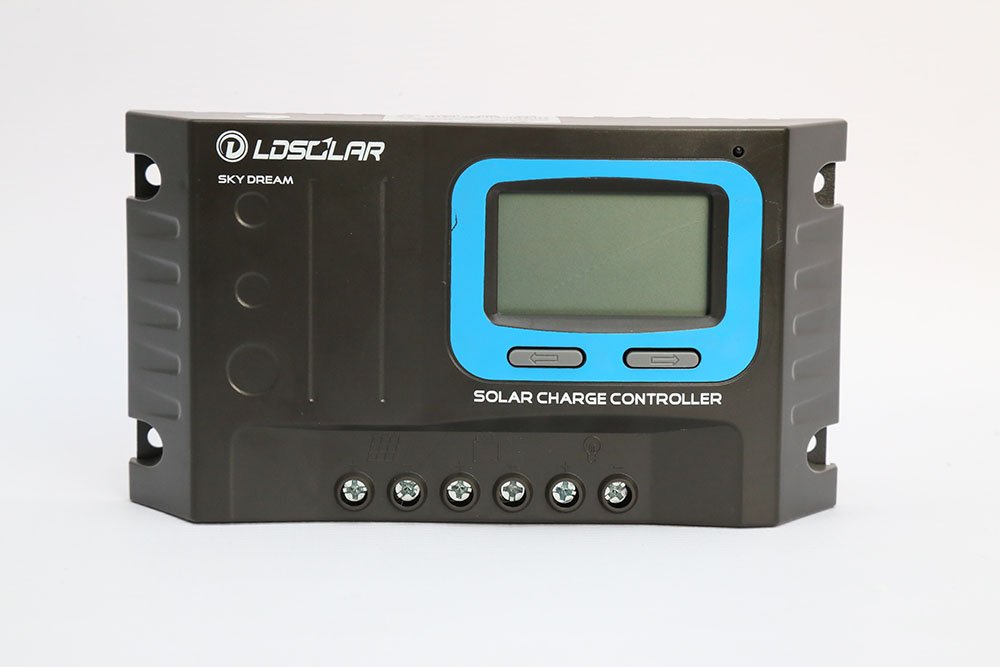
Figure 1: Front view of the SD Series Sky Dream Solar Charge Controller, showing the LCD screen and control buttons.
2. Key Features
- 32-bit CPU: Ensures higher sampling precision and faster operation speed.
- Automatic System Voltage Identification: Supports 12V/24V DC systems.
- 3-Stage PWM Charging: Features Bulk, Boost, and Float charging stages for optimal battery health.
- Battery Type Selection: Compatible with Sealed, Gel, and Flooded batteries.
- Humanized LCD Display: Provides dynamic display of operation data and working status.
- Built-in Operation Log: Records system working state for monitoring.
- Multi-Load Control Modes: Includes Normal mode, Sensor mode, and Timer mode.
- Temperature Compensation Function: Adjusts charging parameters based on ambient temperature.
- Comprehensive Digital Protection: Safeguards against overcharging, over-discharging, overload, short circuit, and reverse connection.
- Max 16mm² Connectors: Accommodates robust wiring.
- 5V 1A USB Output: Convenient for charging small electronic devices.
3. Setup and Installation
Proper installation is crucial for the safe and efficient operation of your solar charge controller. Please follow these steps carefully:
- Prepare Wiring: Ensure all wires are of appropriate gauge for the current and length, and that all connections are clean and secure.
- Connect Battery: Connect the battery to the charge controller first. Ensure correct polarity (+ to + and - to -). The controller will automatically detect the system voltage (12V or 24V).
- Connect Solar Panel: Connect the solar panel array to the charge controller. Again, observe correct polarity. The controller will begin charging the battery.
- Connect Load: Finally, connect the DC load to the charge controller's load terminals. Do not exceed the maximum rated load current.
Important: Always connect the battery first and disconnect the battery last to prevent damage to the controller.
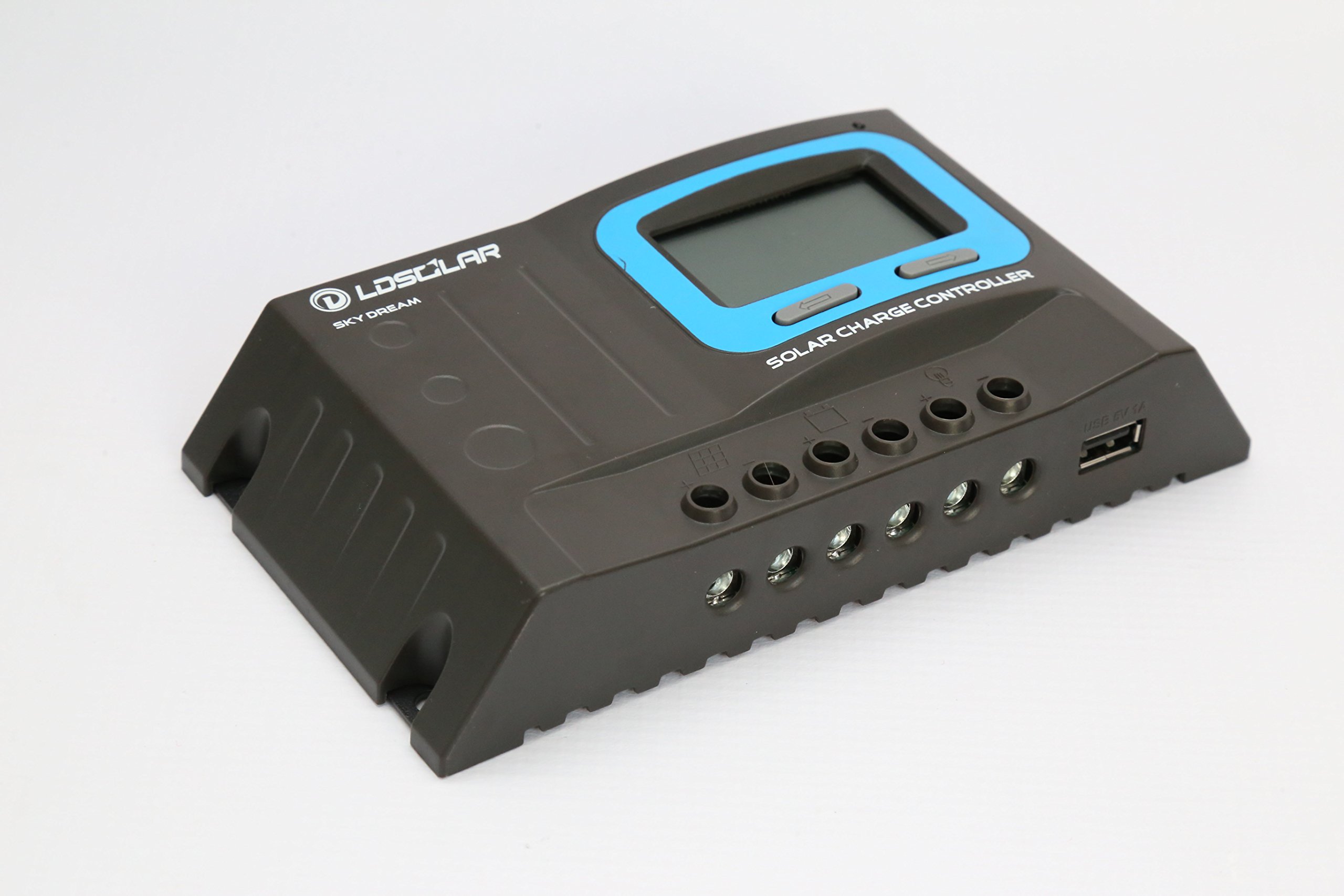
Figure 2: Angled view of the controller showing the input/output terminals for battery, solar panel, and load connections.
4. Operating Instructions
4.1. LCD Display
The LCD display provides real-time information about the system's status. It shows battery voltage, charging current, discharging current, battery state of charge, and various error indicators.
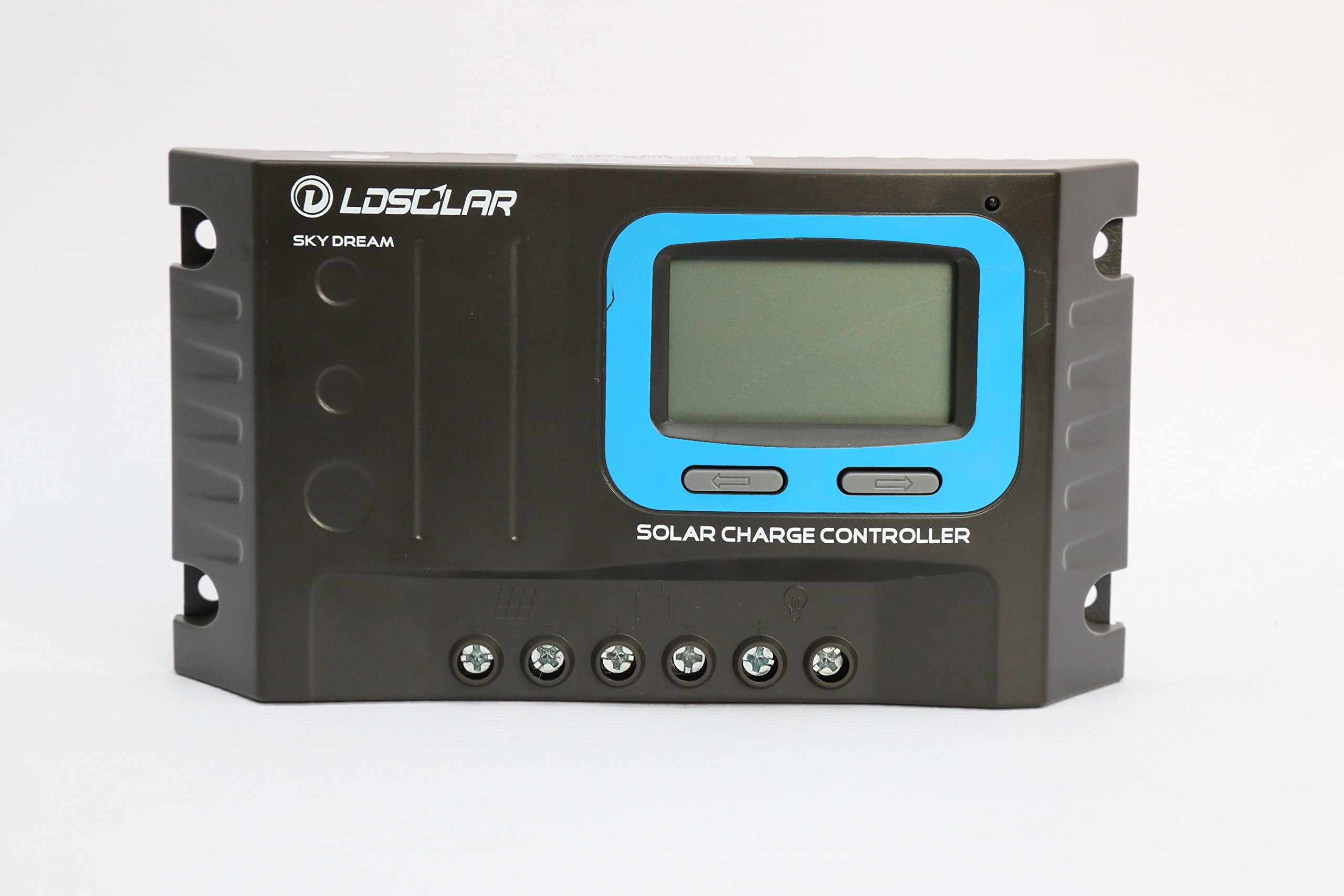
Figure 3: Close-up of the LCD display and control buttons for navigation and settings.
4.2. Button Functions
The controller features two buttons for navigation and setting adjustments:
- Left Button (Menu/Select): Used to cycle through display screens and enter/confirm settings.
- Right Button (Up/Adjust): Used to increase values or navigate options within settings.
4.3. Load Control Modes
The controller supports multiple load control modes to suit different application needs:
- Normal Mode: Load is continuously ON or OFF based on manual setting.
- Sensor Mode: Load turns ON automatically when it gets dark and OFF when it gets light (e.g., for street lights).
- Timer Mode: Load turns ON when it gets dark and stays ON for a set number of hours.
4.4. Battery Type Selection
To ensure optimal charging, select the correct battery type in the controller settings:
- Sealed: For sealed lead-acid batteries.
- Gel: For gel batteries.
- Flooded: For flooded (wet cell) lead-acid batteries.
Refer to the detailed instructions in the full manual for specific steps on navigating menus and adjusting settings.
5. Maintenance
Regular maintenance ensures the longevity and optimal performance of your solar charge controller:
- Cleanliness: Keep the controller clean and free from dust and debris. Use a dry cloth for cleaning.
- Connection Checks: Periodically inspect all wiring connections to ensure they are tight and free from corrosion. Loose connections can cause overheating and poor performance.
- Ventilation: Ensure the controller has adequate ventilation to prevent overheating. Do not block ventilation holes.
- Environmental Conditions: Operate the controller within its specified temperature range (-20℃ to +55℃) and avoid exposure to direct sunlight or excessive moisture. The waterproof grade is IP32.
6. Troubleshooting
This section outlines common issues and their potential solutions. The controller features comprehensive digital protection functions to prevent damage.
| Problem | Possible Cause | Solution |
|---|---|---|
| Controller display is off. | Battery not connected or reverse polarity; battery voltage too low. | Check battery connections and polarity. Ensure battery voltage is above LVD (Low Voltage Disconnection) threshold. |
| Battery not charging. | Solar panel not connected or reverse polarity; insufficient sunlight; PV input voltage too low. | Check solar panel connections and polarity. Ensure adequate sunlight. Verify PV voltage is within specifications. |
| Load not working. | Load over current; short circuit; battery voltage too low (LVD); load control mode setting. | Check load current and wiring for short circuits. The controller has load over current protection (auto restart every 30s). Check battery voltage. Adjust load control mode settings. |
| Controller overheating. | Poor ventilation; excessive load or charging current. | Ensure proper airflow around the controller. Reduce load or charging current if consistently high. |
For issues not listed here, or if problems persist, please contact LDSOLAR customer support.
7. Technical Specifications
| Parameter | Value (SD2410C) |
|---|---|
| System Voltage | 12V/24V Auto |
| PV Max Input Voltage | 55V |
| Self-consumption | ≤12mA |
| Max Charge Current | 10A |
| Max Discharge Current | 10A |
| Low Voltage Disconnection (LVD) | 11.0V ADJ (9V…12V); ×2/24V |
| Low Voltage Reconnection (LVR) | 12.6V ADJ (11V…13.5V); ×2/24V |
| Float Voltage | 13.8V ADJ (13V…15V); ×2/24V |
| Boost Voltage | 14.4V; ×2/24V (auto boost 2 hours if battery voltage < 12.6V) |
| Battery Over Voltage Disconnection | 16.5V; ×2/24V |
| Reverse Connection Protection | Yes |
| Load Over Current Protection | Yes, auto restart every 30s |
| Charge Type | PWM |
| Temperature Compensation | -24 mV /℃ for 12V system; ×2/24V |
| Working Temperature | -20℃ to +55℃ |
| Terminal Scale | 14---6 AWG (16mm²) |
| Waterproof Grade | IP32 |
| Product Dimensions | 190mm × 108mm × 41.5mm (7.48 x 4.25 x 1.63 inches) |
| Net Weight | 450g (15.8 ounces) |
* Please ensure the product is used under its rated power in high temperature environments.
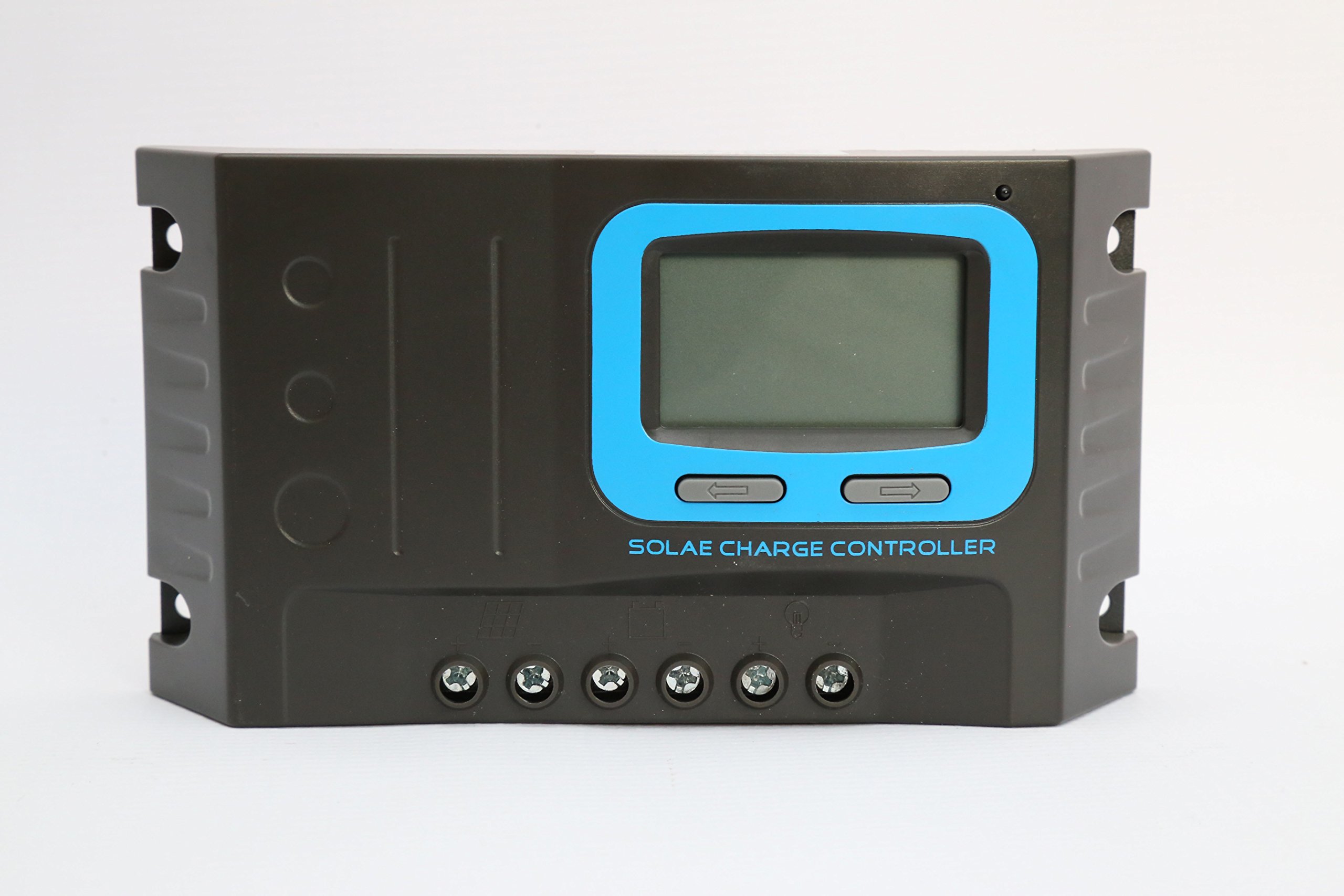
Figure 4: Diagram illustrating the dimensions and port layout of the solar charge controller.
8. Warranty Information
Specific warranty terms and conditions for the LDSOLAR SD Series Sky Dream PWM Solar Charge Controller are typically provided with the product packaging or on the manufacturer's official website. Please refer to these resources for detailed warranty coverage, duration, and claim procedures. Keep your proof of purchase for warranty claims.
9. Support
For technical assistance, troubleshooting beyond this manual, or inquiries regarding your LDSOLAR product, please contact LDSOLAR customer support. You can typically find contact information on the product packaging, the manufacturer's official website, or through your point of purchase.
LDSOLAR Official Website: www.ldsolar.com (Note: This is a placeholder URL, please verify the actual official website for support.)
