
1. Introduction
The Lixada DMX512 2.4G Wireless Transmitter is designed to provide reliable wireless DMX signal transmission for stage lighting applications. This device eliminates the need for extensive DMX cabling, offering flexibility and ease of setup for various lighting configurations. It operates on the 2.4G ISM frequency band, ensuring stable and interference-resistant communication.

Image 1.1: Lixada DMX512 Wireless Transmitter with antenna.
2. Product Features
- Application: Ideal for stage lighting control, allowing one transmitter to control multiple receivers. Compatible with all DMX lamps, simplifying wiring.
- High Efficiency & Strong Anti-interference: Features 126 channels with automatic frequency hopping for reliable operation.
- Long Distance Wireless Transmission: Offers 23DBM high power and an ultra-long transmission distance of up to 1000 meters.
- No Time Delay: Ensures real-time and reliable signal data transmission without noticeable delay.
- Wireless Control: Transmits standard DMX512 protocol data from a console wirelessly using a 2.4G ISM frequency section.
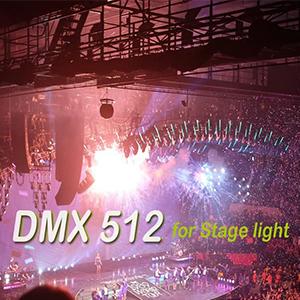
Image 2.1: DMX 512 wireless technology for stage lighting.
3. Package Contents
The package for the DMX512 transmitter typically includes the following items:
- 1 x DMX Transmitter
- 1 x Power Adapter
- 1 x User Manual (English)

Image 3.1: Contents of the DMX transmitter package, including the transmitter and power adapter.
4. Specifications
| Feature | Specification |
|---|---|
| Interface | RS485 |
| Maximum Transmission Power | 23DBM |
| Transmission Distance | 1000m / 3280ft |
| Modulation Mode | GFSK |
| Working Frequency Range | 2.400-2.4835GHz, ISM, 126 Channels |
| Sensitivity | -94dBm |
| Material | Stainless Steel |
| Item Size (D * H) | 1.8 * 14cm / 0.7 * 5.5in |
| Item Weight | 76g / 2.7oz |
| Power Source | Corded Electric |
| Model Number | CCZ6030028353816CQ |
| UPC | 728619851355 |

Image 4.1: Visual representation of the transmitter's communication distance and power.
5. Setup
Follow these steps to set up your Lixada DMX512 Wireless Transmitter:
- Power Connection: Connect the provided power adapter to the DMX transmitter.
- Console Connection: Plug the DMX transmitter directly into the DMX output port of your lighting console. The transmitter features a standard XLR connector.
- Receiver Setup: Ensure all DMX receivers (sold separately or as part of a kit) are powered on and connected to your DMX lighting fixtures.
- Channel Matching: Set the same channel ID on both the transmitter and all intended receivers. This is crucial for establishing a wireless link. Refer to the 'Operating Instructions' section for details on setting channel IDs.

Image 5.1: The DMX transmitter connected to a lighting control console.

Image 5.2: Diagram illustrating various DMX wireless connection setups with transmitters (Tx) and receivers (Rx).
6. Operating Instructions
Once the transmitter is set up, follow these steps for operation:
- Power On: Connect the power adapter. The LED indicator on the transmitter will illuminate, indicating power.
- Set Channel ID: Press the button on the transmitter to cycle through the available channel IDs (typically 1-7). Select a channel ID. Ensure all DMX receivers you intend to use are set to the exact same channel ID.
- Pairing Confirmation: When the transmitter and receivers are successfully paired, their respective LED indicators will show a solid light. A flashing LED on the transmitter indicates DMX signal input from the console.
- Signal Transmission: With successful pairing, the transmitter will wirelessly send DMX512 data from your lighting console to the connected receivers and their associated lighting fixtures.

Image 6.1: Detail of the DMX XLR connector on the transmitter.
7. Troubleshooting
If you encounter issues with your DMX512 Wireless Transmitter, consider the following:
- No Signal / Lights Not Responding:
- Verify power connections for both the transmitter and all receivers.
- Confirm that the transmitter and all receivers are set to the identical channel ID.
- Ensure the DMX cable connecting the console to the transmitter is secure and functional.
- Check for potential strong interference sources (e.g., Wi-Fi routers, other 2.4G devices) and try changing the channel ID.
- Confirm that your DMX console is actively outputting a valid DMX signal.
- Intermittent Signal:
- Reduce the physical distance between the transmitter and receivers.
- Ensure there are no significant physical obstructions (e.g., thick walls, large metal structures) blocking the wireless signal path.
- Attempt to use a different channel ID to mitigate interference from other wireless devices.
- Power Supply Issues:
- Always use the power adapter provided with the unit or a compatible replacement with the correct voltage and current ratings.
- Avoid leaving the unit plugged in for extended periods when not in use, as this may contribute to power supply wear or overheating.
8. Maintenance
To ensure the longevity and optimal performance of your DMX512 Wireless Transmitter, observe the following maintenance guidelines:
- Cleaning: Keep the device clean and free from dust and debris. Use a soft, dry cloth for cleaning. Avoid liquid cleaners.
- Storage: Store the transmitter in a dry environment, away from direct sunlight, high humidity, and extreme temperatures.
- Handling: Avoid dropping the device or subjecting it to severe physical shock, which can damage internal components.
- Repairs: Do not attempt to open or repair the device yourself. Unauthorized modifications or repairs will void any warranty and may cause further damage. Contact customer support for service.
9. Warranty and Support
For detailed warranty information, technical assistance, or customer support regarding your Lixada DMX512 Wireless Transmitter, please refer to the warranty card or documentation included with your purchase. You may also visit the official Lixada website or contact their customer service department directly for further assistance.

