
1. Introduction
This manual provides essential information for the safe and effective use of the Bussmann FWP-400A High Speed Blade Fuse. Please read thoroughly before installation and operation to ensure proper function and safety. This fuse is designed for specific overcurrent protection in semiconductor applications.
2. Safety Information
Adherence to the following safety guidelines is crucial to prevent electrical shock, fire, equipment damage, or personal injury.
- Always disconnect and lock out all power to the circuit before installing, inspecting, or replacing fuses. Verify with a suitable voltage tester.
- Fuses are designed for overcurrent protection. Do not use this fuse for purposes other than its specified electrical protection function.
- Ensure that any replacement fuse matches the original fuse's exact voltage and current ratings (400 Amps, 700 Volts). Using an incorrect fuse can lead to inadequate protection or circuit damage.
- Improper installation or use can result in severe electrical hazards.
- If you are unsure about any aspect of installation or electrical work, consult a qualified and licensed electrician.
3. Product Overview
The Bussmann FWP-400A is a high-speed blade fuse specifically engineered for the protection of semiconductor devices. It features a robust design with a 400-Amp current rating and a 700-Volt AC/DC voltage rating, suitable for demanding electrical environments. This fuse is designed for secure bolt-down mounting.
Key Features:
- Current Rating: 400 Amps
- Voltage Rating: 700 VAC/VDC
- Fuse Type: High Speed Blade Fuse (Semiconductor Protection)
- Mounting Style: Bolt Down / Stud
- Material: Copper terminals for excellent conductivity

Figure 1: Side view of the Bussmann FWP-400A fuse, illustrating the product markings including model number, voltage, and the Bussmann brand logo. The bolt-down terminals are visible.
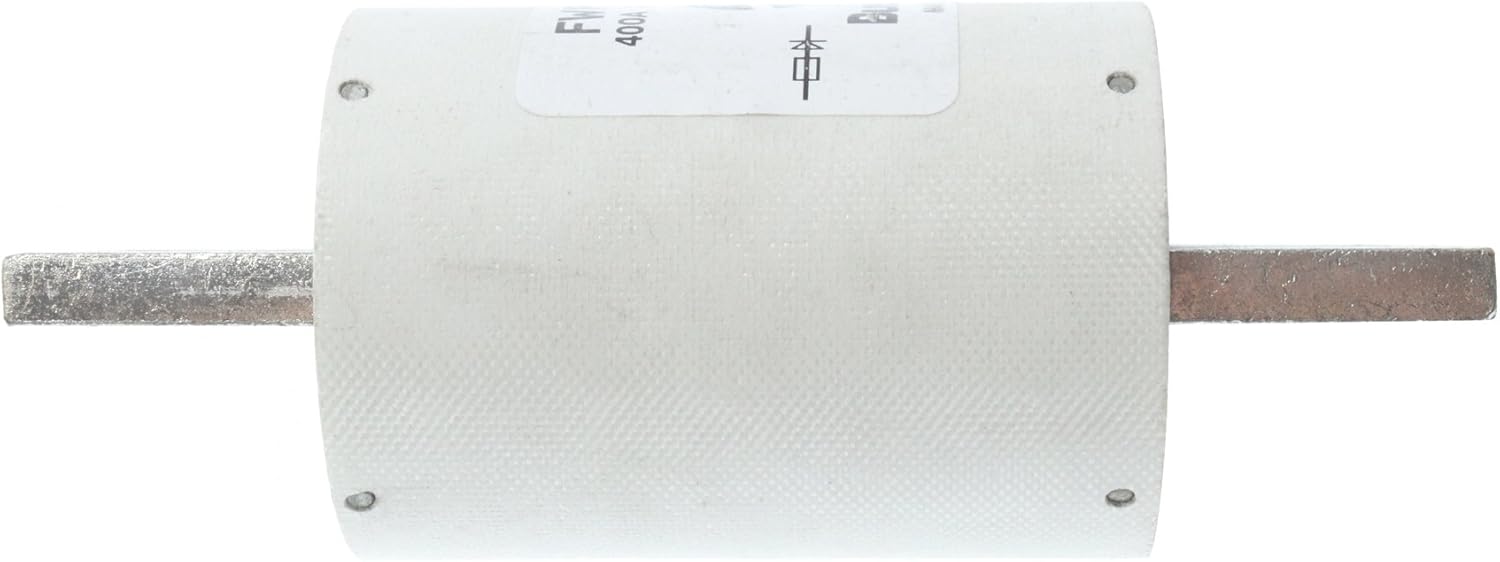
Figure 2: Top-down view of the Bussmann FWP-400A fuse, highlighting the flat blade terminals designed for bolt-down installation.
4. Setup and Installation
Follow these steps carefully for safe and correct installation of the FWP-400A fuse.
- Power Disconnection: Before beginning any installation, ensure that all power to the circuit is completely disconnected and locked out according to established safety procedures. Use a certified voltage tester to confirm the absence of voltage.
- Fuse Holder Preparation: Ensure the fuse holder or mounting point is clean, dry, and free from any conductive debris or corrosion.
- Orientation: Carefully insert the FWP-400A fuse into the designated fuse holder. The flat blade terminals should align precisely with the mounting studs or connection points.
- Secure Connection: Use appropriate hardware (e.g., bolts, washers, nuts – typically not included with the fuse) to securely fasten the fuse terminals to the mounting studs. Ensure all connections are tightened to the equipment manufacturer's specified torque settings to prevent loose connections, which can lead to arcing, overheating, and premature fuse failure.
- Verification: After securing the fuse, visually inspect all connections to confirm proper seating and tightness.
- Power Restoration: Once installation is complete and thoroughly verified, restore power to the circuit.
5. Operation
The Bussmann FWP-400A fuse operates passively by providing critical overcurrent protection. When an electrical fault or overcurrent condition occurs that exceeds the fuse's rating, the internal fuse element will melt (blow), thereby interrupting the circuit and protecting sensitive downstream components from damage.
Monitoring:
- Regularly inspect the fuse and its connections for any signs of damage, discoloration, or loose connections.
- If a fuse blows, it indicates an overcurrent event. It is imperative to identify and rectify the cause of the overcurrent before replacing the fuse.
- Always replace a blown fuse with an identical Bussmann FWP-400A fuse to maintain the intended level of circuit protection.
6. Maintenance
The FWP-400A fuse itself is a sealed unit and requires no routine internal maintenance. However, periodic external inspection of the fuse and its surrounding electrical connections is highly recommended to ensure optimal performance, reliability, and safety.
- Visual Inspection: Periodically check the fuse body and its terminals for any physical damage, signs of corrosion, or indications of overheating (e.g., discoloration, melting, or charring).
- Connection Integrity: Ensure that all bolt-down connections remain tight and secure. Loose connections can increase electrical resistance, leading to excessive heat generation and potential premature fuse failure or fire hazards.
- Environmental Conditions: Verify that the operating environment remains within specified temperature and humidity ranges. Extreme conditions can accelerate the degradation of electrical components.
7. Troubleshooting
Fuses are designed as sacrificial components to protect electrical circuits. If the FWP-400A fuse blows, it is a clear indication of an overcurrent condition or fault within the protected circuit. Troubleshooting should focus on identifying the root cause of the overcurrent.
Common Issues and Solutions:
- Fuse Blows Immediately After Replacement:
- Cause: A persistent short circuit or a severe, unaddressed overload in the protected equipment or wiring.
- Solution: Immediately disconnect power. Thoroughly inspect the circuit and connected equipment for any faults, such as shorted wires, damaged components, or incorrect wiring, before attempting to replace the fuse again. Do not repeatedly replace fuses without addressing the underlying issue, as this can cause further damage or hazards.
- Fuse Appears Damaged (e.g., Discolored, Melted Casing):
- Cause: This typically indicates a prolonged overcurrent condition, high ambient temperature, or loose connections causing excessive heat buildup at the fuse terminals.
- Solution: Disconnect power. Replace the fuse and investigate the cause of overheating. Check for proper ventilation around the fuse and ensure all connections are secure and torqued correctly.
- Equipment Not Functioning, But Fuse Appears Intact:
- Cause: If the fuse is visually intact and tests as conductive (using a multimeter), the issue is likely not fuse-related. Other components in the circuit or the equipment itself may be faulty.
- Solution: Consult the equipment's own troubleshooting guide or seek assistance from a qualified technician to diagnose other potential problems.
8. Specifications
The following table details the key technical specifications for the Bussmann FWP-400A High Speed Blade Fuse.
| Parameter | Value |
|---|---|
| Model Number | FWP-400A |
| Current Rating | 400 Amps |
| Voltage Rating | 700 VAC/VDC |
| Fuse Type | High Speed Blade Fuse (Semiconductor Protection) |
| Mounting Style | Bolt Down / Stud |
| Material | Copper (terminals) |
| Dimensions (L x W x H) | Approximately 5 x 2 x 2 inches |
| Weight | Approximately 1.6 ounces |
| Manufacturer | Cooper Industries (Bussmann is a brand of Eaton) |
9. Warranty Information
Bussmann products are manufactured to stringent quality standards. For specific warranty terms and conditions applicable to the FWP-400A fuse, please refer to the official Bussmann website or contact their customer support directly. It is advisable to retain your purchase receipt as proof of purchase.
10. Support
For technical assistance, product inquiries, or further information regarding the Bussmann FWP-400A High Speed Blade Fuse, please visit the official Bussmann website or contact their customer service department.
Official Website: www.eaton.com/bussmann
Manufacturer: Cooper Industries (Bussmann is a brand of Eaton)


