
1. Product Overview
This document provides essential information for the Factorytaiwan Riken Piston Ring Set, specifically designed for KUBOTA V1405 engines. This set includes standard size 76mm piston rings, crucial components for maintaining engine compression and oil control. Proper installation and maintenance are vital for optimal engine performance and longevity.
2. Intended Use
The Riken Piston Ring Set is intended for use as a replacement part in KUBOTA V1405 diesel engines. These rings are designed to restore or maintain proper engine compression, reduce oil consumption, and ensure efficient combustion. They are suitable for professional engine rebuilds and repairs.
3. Product Components and Package Contents
Each package contains one complete piston ring set for one cylinder. A standard set typically includes three types of rings:
- Top Compression Ring (1st Ring): Designed to seal combustion gases.
- Second Compression Ring (2nd Ring): Provides additional sealing and helps scrape oil from the cylinder walls.
- Oil Control Ring (Oil Ring): Manages oil film on the cylinder walls, preventing excessive oil from entering the combustion chamber.

Image 3.1: Riken Piston Ring Set, showing the product packaging and the three types of rings.

Image 3.2: The three piston rings (top, second, and oil control) laid out, illustrating their distinct designs.

Image 3.3: A detailed view of the oil control ring, highlighting its multi-piece design for effective oil management.

Image 3.4: A single piston ring sealed in its protective plastic packaging, ensuring product integrity.
4. Specifications
| Specification | Detail |
|---|---|
| Engine Model Compatibility | KUBOTA V1405 |
| Piston Bore Diameter | 76 mm (Standard Size) |
| Ring Sizes (Width x Thickness) |
|
| Manufacturer | Riken Taiwan |
| Package Contents | 1 Complete Piston Ring Set for 1 Cylinder |
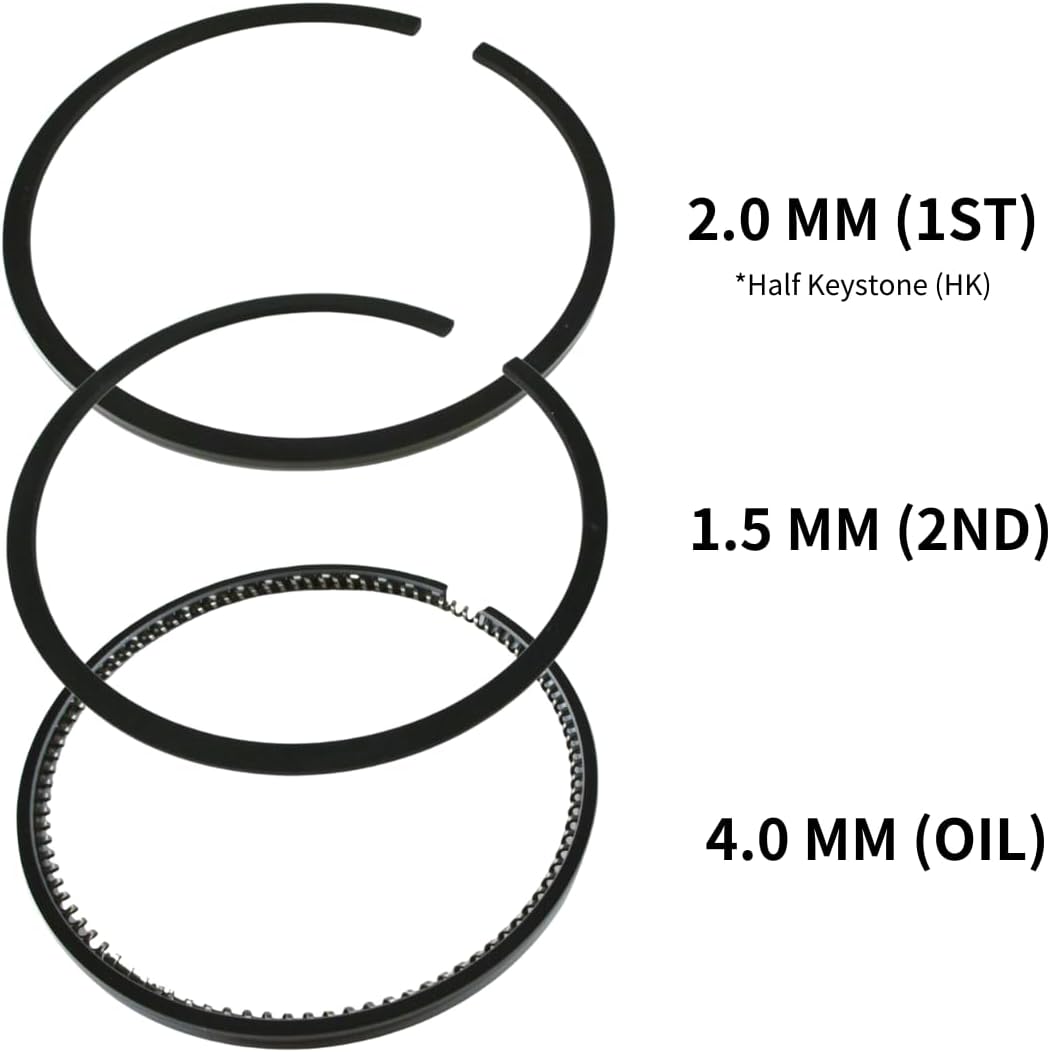
Image 4.1: Diagram illustrating the typical dimensions of the piston rings: 2.0mm (1st ring, Half Keystone), 1.5mm (2nd ring), and 4.0mm (oil ring).
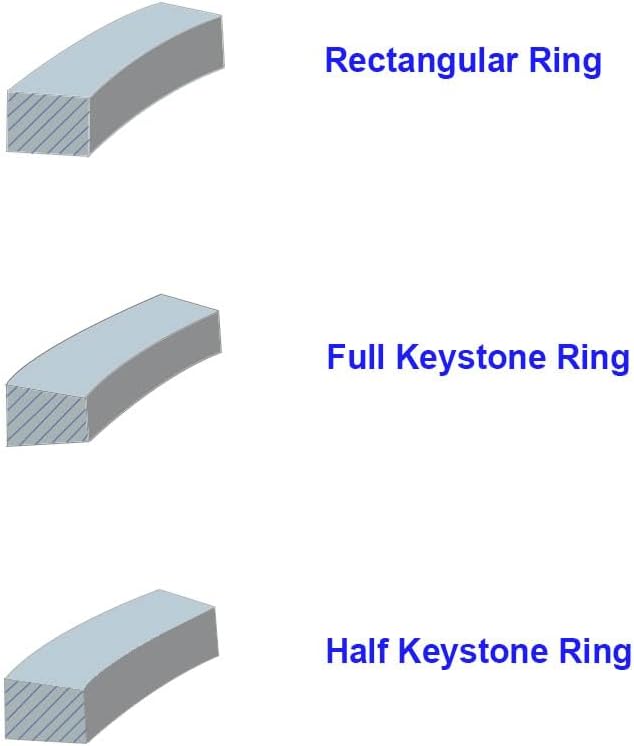
Image 4.2: Illustrations of different piston ring profiles: Rectangular, Full Keystone, and Half Keystone. The 1st ring in this set is a Half Keystone type.
5. Installation Guidance
Installation of piston rings requires specialized knowledge, tools, and adherence to engine manufacturer specifications. It is highly recommended that installation be performed by a qualified and experienced engine mechanic.
General Steps (Consult Service Manual for Specifics):
- Preparation: Ensure the cylinder bore is clean, free of debris, and within specified tolerances. Inspect the piston for wear or damage.
- Ring Gap Check: Before installing on the piston, insert each ring into its respective cylinder bore and measure the end gap with a feeler gauge. Ensure it meets KUBOTA V1405 engine specifications.
- Ring Orientation: Pay close attention to the 'TOP' mark or other indicators on the rings. Install them with the correct side facing upwards.
- Ring Installation on Piston: Use a piston ring expander tool to carefully install the rings onto the piston, starting with the oil control ring, then the second compression ring, and finally the top compression ring. Avoid over-expanding the rings.
- Ring Gap Staggering: Once all rings are on the piston, rotate them so that their end gaps are staggered (typically 120 degrees apart) to prevent blow-by.
- Piston Installation: Lubricate the piston, rings, and cylinder bore with clean engine oil. Use a piston ring compressor tool to carefully guide the piston assembly into the cylinder bore.
Warning: Incorrect installation can lead to severe engine damage, including loss of compression, excessive oil consumption, and premature engine failure. Always refer to the official KUBOTA V1405 service manual for precise instructions and torque specifications.
6. Operation
Piston rings are internal engine components that function continuously during engine operation. Their primary roles are:
- Sealing: To form a seal between the piston and the cylinder wall, preventing combustion gases from escaping into the crankcase (blow-by) and maintaining compression.
- Heat Transfer: To transfer heat from the piston to the cylinder wall, which is then dissipated by the engine's cooling system.
- Oil Control: To regulate the amount of lubricating oil on the cylinder walls, scraping excess oil back into the crankcase to prevent it from burning in the combustion chamber.
Properly functioning piston rings are essential for engine efficiency, power output, and emissions control.
7. Maintenance
While piston rings themselves do not require direct maintenance, their longevity and performance are heavily dependent on overall engine health and proper maintenance practices:
- Regular Oil Changes: Use the recommended engine oil and adhere to the manufacturer's oil change intervals. Dirty or degraded oil can lead to ring sticking and excessive wear.
- Proper Fuel Quality: Use clean, high-quality fuel to prevent carbon buildup, which can foul rings and reduce their effectiveness.
- Air Filter Maintenance: Ensure the engine's air filter is clean and replaced regularly to prevent abrasive particles from entering the combustion chamber and causing cylinder and ring wear.
- Cooling System Health: Maintain the engine's cooling system to prevent overheating, which can cause piston and ring distortion.
8. Troubleshooting
Issues with piston rings typically manifest as symptoms of poor engine performance. If you experience any of the following, it may indicate worn or damaged piston rings:
- Excessive Blue/Gray Smoke from Exhaust: Often indicates oil burning due to worn oil control rings or cylinder walls.
- Increased Oil Consumption: Engine requiring frequent oil top-ups between changes.
- Loss of Engine Power/Reduced Compression: Difficulty starting, rough idling, or noticeable decrease in power, often due to worn or broken compression rings.
- Excessive Blow-by: Visible fumes or pressure escaping from the oil filler cap or dipstick tube, indicating combustion gases leaking past the rings into the crankcase.
Action: If these symptoms are observed, it is crucial to have the engine inspected by a qualified mechanic. Diagnosis typically involves a compression test, leak-down test, and potentially engine disassembly for visual inspection.
9. Warranty and Support
For information regarding product warranty, returns, or technical support, please contact the seller or manufacturer directly. Specific warranty terms and conditions may vary.
For further assistance or inquiries, please refer to the contact information provided by your point of purchase.