1. Introduction
Thank you for choosing the Membrane Solutions 36 GPD Reverse Osmosis (RO) Membrane. This product is designed to provide high-quality purified water for your home drinking water system. This manual provides essential information for the safe and effective use, installation, and maintenance of your RO membrane. Please read it thoroughly before proceeding.

Figure 1: Membrane Solutions 36 GPD Reverse Osmosis Membrane.
2. Safety Information
Adherence to the following safety guidelines is crucial for proper operation and to prevent damage or injury:
- It is recommended that systems using these elements rinse the elements for 24 hours prior to first use to meet NSF/ANSI 58 Standard.
- The first full tank of permeate must be discarded. Do not use this initial permeate for drinking water or food preparation.
- Keep elements moist at all times after initial wetting.
- To prevent organic growth during prolonged system shutdowns, it is recommended that membrane elements be immersed in a preservative solution. Rinse out the preservative before use.
- The membrane shows some resistance to short-term attack by chlorine (hypochlorite). Continuous exposure, however, may damage the membrane and should be avoided.
3. Product Overview
The Membrane Solutions RO membrane is constructed from 100% food-grade Thin Film Composite (TFC) material, ensuring high purification performance. It achieves a 97% stabilized salt rejection rate and filters particles down to 0.0001 microns, effectively reducing heavy metals, organic materials, and harmful minerals.
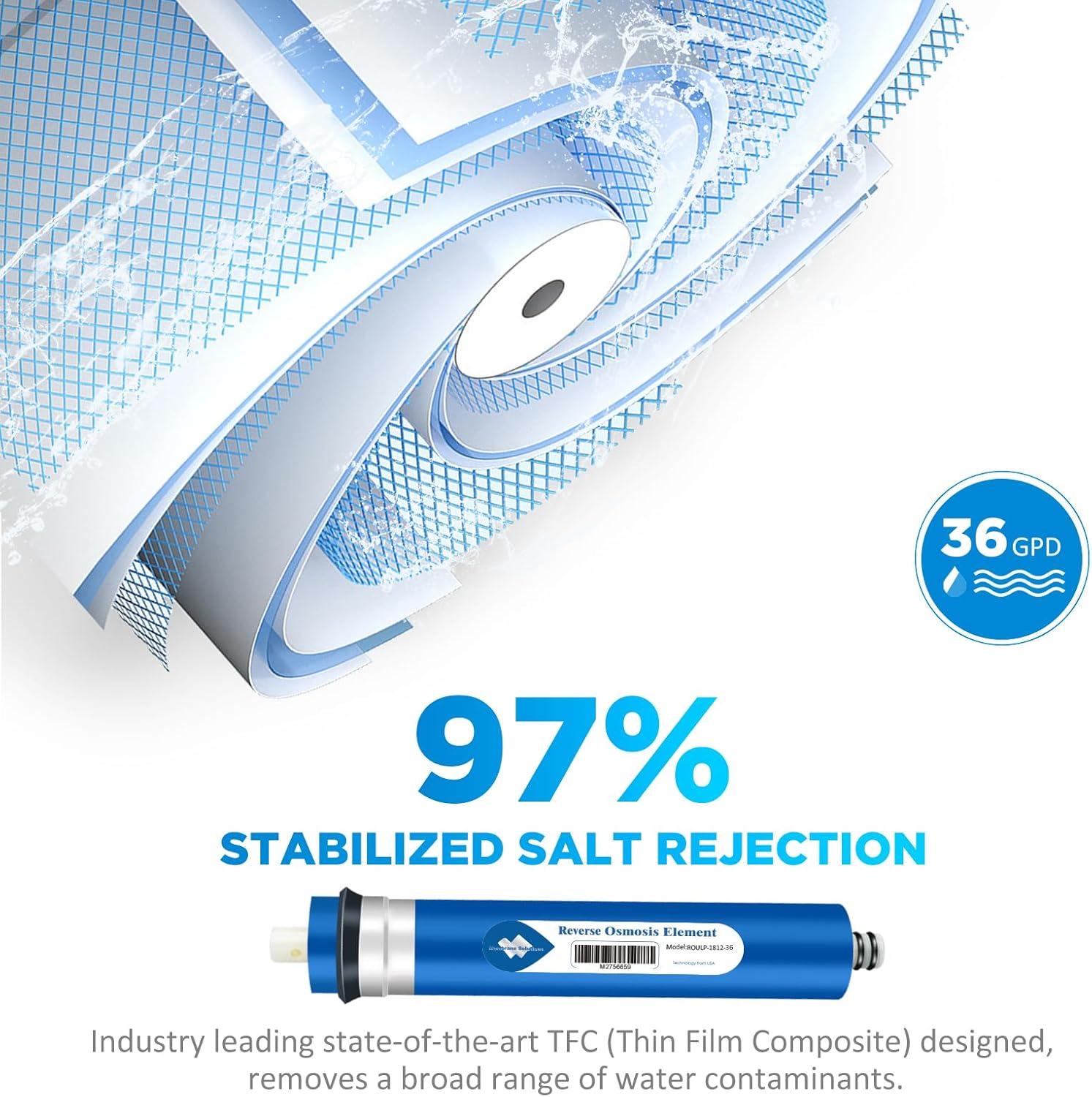
Figure 2: High 97% Stabilized Salt Rejection.

Figure 3: High Density Graded RO Membrane with 0.0001 Micron Filtration.
Key Features:
- Center Hole Design: Facilitates easy removal or replacement by gripping the plastic spindle.
- Thin-Film Composite (TFC): High-density graded membrane film for optimal filtration.
- Double Sealing-Ring: Food-grade O-ring design to prevent re-contamination of filtered water.

Figure 4: Membrane Filtration Features.
How Reverse Osmosis Works:
Reverse osmosis is a water purification process that uses a partially permeable membrane to remove ions, unwanted molecules and larger particles from drinking water. In an RO system, applied pressure is used to overcome osmotic pressure, a colligative property that is driven by chemical potential differences of the solvent, a thermodynamic parameter. This forces the water through the membrane, leaving contaminants behind.

Figure 5: How an RO Membrane Works.
4. Installation
The Membrane Solutions RO membrane is an industry-standard size (11.75 x 1.75-inch) and is designed to fit in standard 1812/2012 residential-style RO membrane housings utilizing a 2-inch internal diameter. It is suitable for most Reverse Osmosis Water Filtration Systems.
Installation Steps:
- Remove Tubing: Disconnect the tubing from the quick-connect fitting on the membrane housing cap.
- Open Housing: Use a wrench to twist off the housing cap in a counter-clockwise direction.
- Remove Old Membrane: Pull out the old membrane. Use scissors or pliers to apply leverage if necessary.
- Insert New Membrane: Insert the new membrane into the housing. Ensure the O-ring is properly seated on the end of the membrane housing.
- Secure Housing: Place the housing cap back on and tighten it.
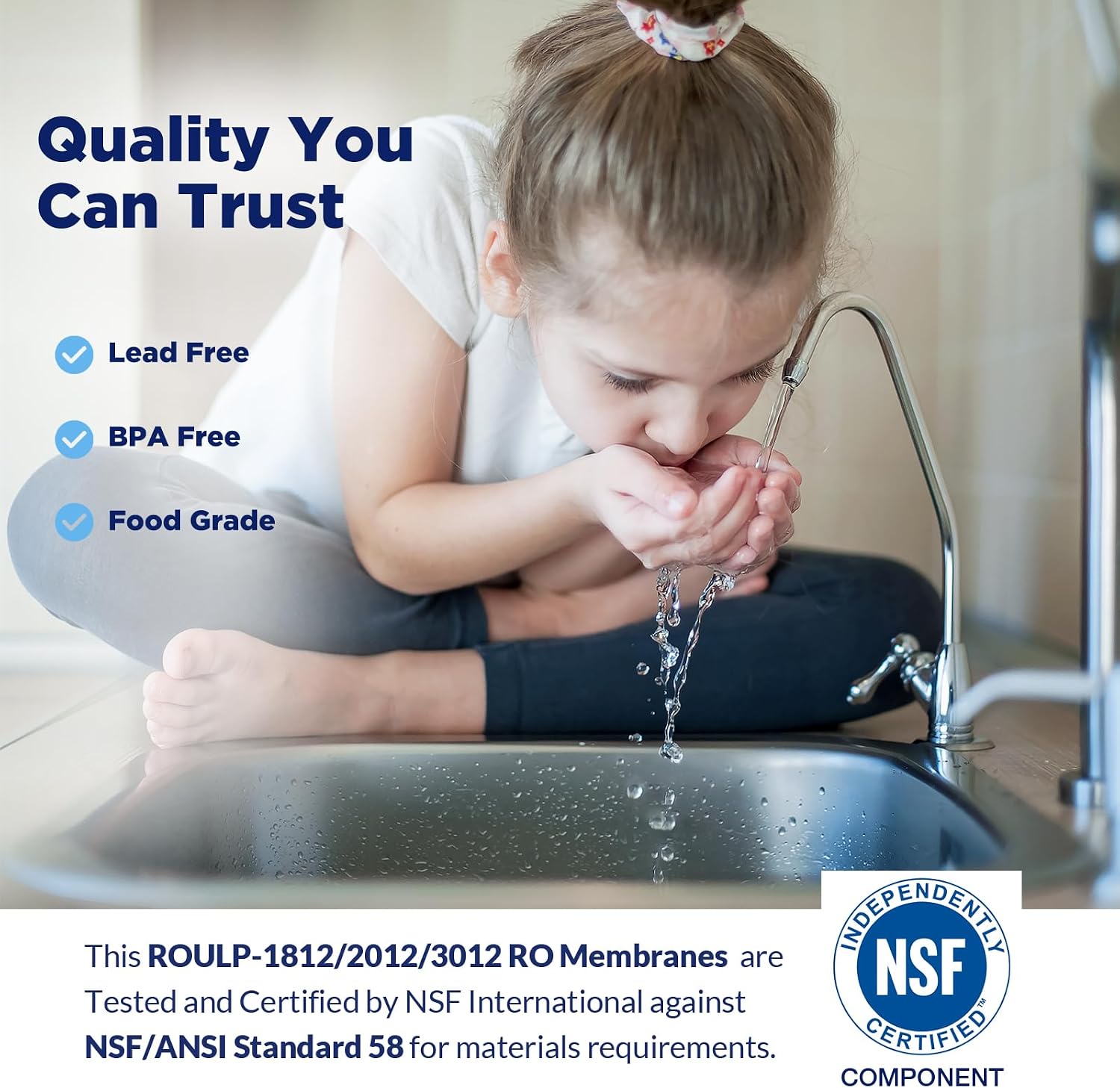
Figure 6: Membrane Replacement Steps.
5. Operating Instructions
After installation, ensure all connections are secure and leak-free. Follow the initial flushing procedure as outlined in the safety section to prepare the membrane for use. The system will then automatically filter water as needed, storing it in the pressure tank for on-demand access.
6. Maintenance
Regular maintenance ensures the longevity and effectiveness of your RO membrane:
- Life Expectancy: The membrane element has a life expectancy between 24 to 36 months. This can vary based on feedwater quality, temperature, and incoming water pressure.
- Storage: Elements are shipped dry in an original sealed package. After initial wetting, keep elements moist at all times.
- System Shutdowns: For prolonged system shutdowns, immerse the membrane elements in a preservative solution to prevent organic growth. Rinse out the preservative thoroughly before resuming use.
- Water Quality Monitoring: Periodically check the Total Dissolved Solids (TDS) level of your filtered water to ensure the membrane is performing optimally. A significant increase in TDS indicates it may be time for replacement.
7. Troubleshooting
If you experience issues with your RO system's performance, consider the following:
- Low Water Production: Check for adequate water pressure, ensure pre-filters are not clogged, and verify the membrane is not fouled.
- Poor Water Quality (High TDS): This often indicates the RO membrane needs replacement. Ensure proper flushing procedures were followed after installation.
- Leaks: Inspect all connections and O-rings for proper seating and tightness.
For persistent issues, refer to your complete RO system's manual or contact customer support.
8. Specifications
| Attribute | Detail |
|---|---|
| Material | Polyamide Thin-Film Composite |
| Product Dimensions | 1.75"D x 1.75"W x 11.75"H |
| Item Weight | 7.04 ounces |
| External Testing Certification | NSF/ANSI 58 |
| Product Benefits | Universal RO replacement for home reverse osmosis water system, high rejection rate. |
| Brand | Membrane Solutions |
| UPC | 759981078309 |
| Item model number | ROULP-1812-36 |

Figure 7: Quality Certifications.
9. Warranty and Support
Membrane Solutions is committed to providing quality products and support. Assistance is available from our experts, ready to answer any of your questions about your RO membrane. American-based customer support is available for the life of the product. Please reach out if you have any concerns or questions.


