
1. Product Overview
The DB Electrical Starter Motor 410-12070 is a new aftermarket unit designed to meet or exceed OEM specifications for various applications. This 12-volt starter features a 9-tooth pinion, clockwise rotation, and a direct drive (DD) type. It is engineered for reliable engine starting performance.
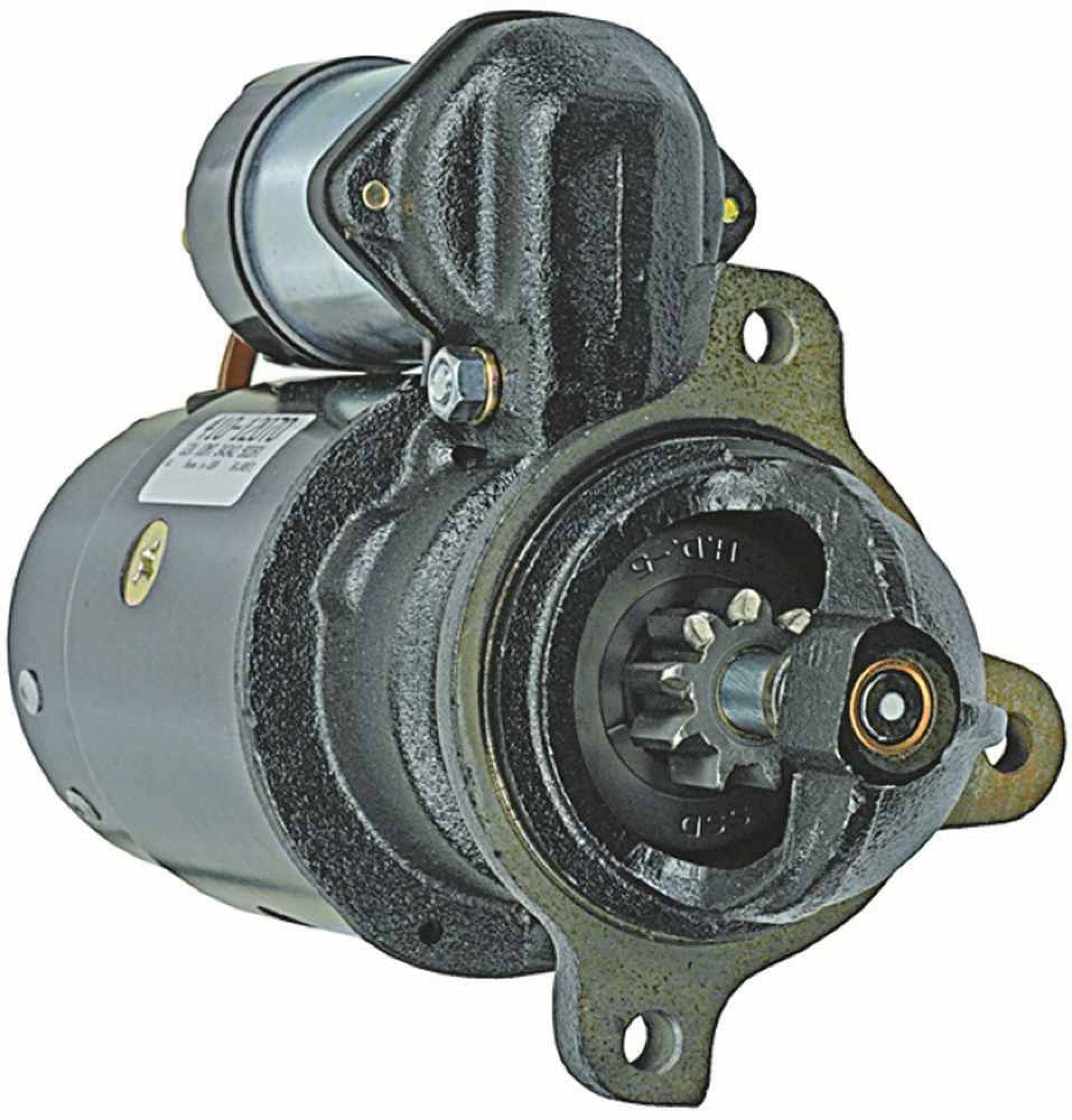
This image displays the DB Electrical Starter Motor model 410-12070, a new aftermarket unit designed for various vehicle applications. The starter features a robust housing, solenoid, and gear assembly, ready for installation.
Key Features:
- Voltage: 12V
- Rotation: Clockwise (CW)
- Teeth: 9-tooth pinion
- Type: Direct Drive (DD)
- 100% new aftermarket starter, built to OEM specifications.
- Backed by a 1-year warranty.
2. Compatibility
This starter motor is compatible with a wide range of vehicles and equipment. Please verify your specific model and OEM part number for accurate fitment.
Compatible Vehicle Models:
- Baker: FGD-30 (1965), FGD-55 (1965), FGF-30 (1967), FGF-50 (1967), FGF-60 (1965), FGF-80 (1965), FIA-20 (1967), FIA-30 (1967), FID-30 (1965), FID-55 (1965), FID-60 (1965), FID-80 (1965), FIF-30 (1967), FIF-50 (1967), FIF-60 (1965), FIF-80 (1965), FJA-20 (1967), FJA-30 (1967), FJD-20 (1967), FJD-30 (1965), FJD-55 (1965), FJD-60 (1965), FJD-80 (1965), FJF-20 (1965), FJF-30 (1965), FJF-50 (1965), FJF-60 (1965), FJF-80 (1965), FMD-20 (1967), FMD-30 (1965), FMD-55 (1965), FMD-60 (1965), FMD-80 (1965), FMF-20 (1967), FMF-30 (1967), FMF-50 (1967), FMF-60 (1965), FMF-80 (1965)
- Clark: C20 Series (1963-1964 Y-112), C25 Series (1963-1964 Y-112), C30 Series (1963-1964 F-162), C40 Series (1963-1964 F-162), CFY60 Series (1963-1965 F-244), CY20 Series (1963-1964 F-162), CY40 Series (1963-1964 F-162), CY60 Series (1963-1964 F-244)
Compatible OEM Numbers:
- AC DELCO: 323-639
- ANDRE NIERMANN: 017885
- CLARK: 884105
- DELCO: 1107215, 1107885, 1108290, 1109438, 12301295
- DIXIE: TS-1153
- HYSTER: 3002941
- LESTER: 4342
- NAPA: 44-4120
- YALE: 2200521-04
3. Specifications
| Specification | Value |
|---|---|
| Item Model Number | 410-12070 |
| Brand | DB Electrical |
| Voltage | 12V |
| Rotation | Clockwise (CW) |
| Teeth | 9 |
| Type | Direct Drive (DD) |
| Amperage | 12 Amps |
| Wattage | 1.2 KW |
| Product Dimensions (L x W x H) | 2.54 x 2.54 x 2.54 cm (1 x 1 x 1 inch) |
| Item Weight | 453.59 g (1 Pound) |
| UPC | 711811739194 |
4. Setup and Installation
Proper installation is crucial for the safe and effective operation of your new starter motor. If you are not experienced with automotive electrical systems, it is recommended to seek professional assistance.
General Installation Steps:
- Safety First: Disconnect the vehicle's negative battery terminal to prevent electrical shorts and accidental starting. Ensure the vehicle is on a level surface and properly supported with jack stands if working underneath.
- Locate the Old Starter: Identify the existing starter motor, typically mounted on the engine block near the transmission bell housing.
- Disconnect Wiring: Carefully disconnect all electrical connections from the old starter. This usually includes a large battery cable and one or more smaller solenoid wires. Note their positions for reinstallation.
- Remove Mounting Bolts: Remove the bolts securing the old starter motor to the engine or transmission. Support the starter as you remove the last bolt to prevent it from falling.
- Install New Starter: Position the new DB Electrical starter motor in place and secure it with the mounting bolts. Ensure it is seated correctly and tightened to the manufacturer's torque specifications (refer to your vehicle's service manual).
- Reconnect Wiring: Reattach all electrical connections to the new starter, ensuring they are clean, tight, and in their correct positions. Double-check all connections.
- Reconnect Battery: Reconnect the negative battery terminal.
- Test Operation: Attempt to start the vehicle. Listen for proper starter engagement and engine cranking. If issues arise, refer to the troubleshooting section.
Important: Always consult your vehicle's specific service manual for detailed installation procedures and safety precautions.
5. Operating Instructions
The starter motor is an integral part of your vehicle's starting system. Its operation is automatic when you turn the ignition key or press the start button.
Normal Operation:
- When the ignition key is turned to the 'START' position (or start button is pressed), electrical current flows to the starter solenoid.
- The solenoid engages the starter pinion gear with the engine's flywheel.
- Simultaneously, the solenoid completes the circuit to the starter motor, causing it to spin.
- The spinning starter motor cranks the engine, initiating the combustion process.
- Once the engine starts, the ignition system disengages the starter, and the pinion gear retracts from the flywheel.
Avoid prolonged cranking (more than 10-15 seconds) to prevent overheating the starter motor. Allow a brief cool-down period between starting attempts.
6. Maintenance
While starter motors are generally robust, periodic inspection can help ensure longevity and prevent unexpected failures.
Recommended Maintenance:
- Battery Health: Ensure your vehicle's battery is in good condition and fully charged. A weak battery can put excessive strain on the starter motor.
- Cable Connections: Periodically inspect the battery cables and starter motor connections for corrosion, looseness, or damage. Clean any corrosion and ensure all connections are tight.
- Visual Inspection: Check the starter motor for any signs of physical damage, excessive dirt, or oil contamination. Keep the area around the starter clean.
- Avoid Over-Cranking: As mentioned in the operating section, avoid excessively long cranking times to prevent overheating.
7. Troubleshooting
If you experience issues with your vehicle's starting system, consult the following common troubleshooting steps:
| Symptom | Possible Cause | Solution |
|---|---|---|
| Engine does not crank or cranks very slowly | Weak or dead battery, loose/corroded battery terminals, faulty starter solenoid, faulty starter motor. | Check battery charge and terminals. Test battery. Inspect starter wiring. If battery and connections are good, starter motor or solenoid may need replacement. |
| Clicking sound but no crank | Low battery voltage, faulty starter solenoid, poor electrical connection to starter. | Charge or replace battery. Check battery and starter connections for tightness and corrosion. Solenoid may be failing to engage the motor. |
| Grinding noise during cranking | Damaged starter pinion gear, damaged flywheel teeth, improper starter engagement. | Inspect starter pinion and flywheel for damage. Ensure starter is properly mounted and aligned. This often indicates a need for starter replacement or flywheel repair. |
| Starter spins but engine does not crank | Faulty starter drive (bendix) mechanism, damaged flywheel. | The starter's internal clutch or gear mechanism may not be engaging the flywheel. Starter replacement is typically required. |
If these steps do not resolve the issue, it is recommended to consult a qualified automotive technician.
8. Warranty and Support
The DB Electrical Starter Motor 410-12070 comes with a 1-year warranty from the date of purchase. This warranty covers manufacturing defects and ensures your peace of mind.
For warranty claims, technical assistance, or any product-related inquiries, please contact DB Electrical customer support through their official website or the retailer where the product was purchased. Please have your purchase receipt and product model number (410-12070) available when contacting support.
For more information, visit the DB Electrical official website.