
Arrow Pneumatics ASP-3
Instruction Manual
Arrow Pneumatics
ASP-3 3/8" Pneumatic Exhaust Muffler
Product Overview
The Arrow Pneumatics ASP-3 is a 3/8" sintered bronze pneumatic exhaust muffler designed to reduce exhaust noise from pneumatic equipment to meet OSHA requirements. It also functions as a filter, capable of filtering oil, gas, and air with a 40-micron element. This muffler is built for durability with porous sintered bronze directly bonded to nickel-plated steel pipe thread fittings, and can withstand temperatures from 35 to 300 degrees Fahrenheit and a maximum pressure of 300 Psig.
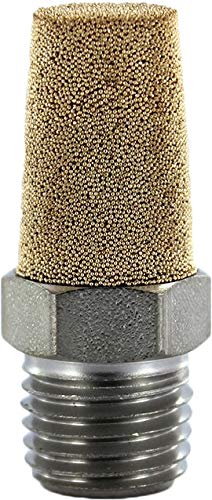
A close-up view of the Arrow Pneumatics ASP-3 pneumatic exhaust muffler, featuring a porous sintered bronze element for filtration and noise reduction, attached to a nickel-plated steel pipe thread fitting.
Key Features
- Porous sintered bronze directly bonded to nickel plated steel pipe thread fittings.
- Functions as a filter for gasoline, oil, and air.
- Reduces exhaust noise to OSHA requirements.
- Features a 40 micron element for effective filtration.
- Designed for operating temperatures between 35-300 degrees Fahrenheit.
- Maximum pressure rating of 300 Psig.
Specifications
| Attribute | Value |
|---|---|
| Model Number | ASP-3 |
| Connection Size | 3/8" NPT |
| Filter Element | 40 Micron Sintered Bronze |
| Body Material | Bronze, Nickel-plated Steel |
| Max Operating Pressure | 300 Psig |
| Operating Temperature Range | 35 - 300 Degrees F |
| Dimensions (Approx.) | 6 x 4 x 1 inches (Package) |
| Weight (Approx.) | 9.6 ounces (Package) |
Setup
Proper installation of the pneumatic exhaust muffler is crucial for its effective operation and the safety of your pneumatic system. Ensure all connections are secure and leak-free.
- Safety First: Before beginning installation, ensure that the pneumatic system is depressurized and locked out to prevent accidental activation.
- Identify Exhaust Port: Locate the exhaust port on your pneumatic valve or device where the muffler is to be installed.
- Prepare Threads: Apply a suitable thread sealant (e.g., PTFE tape or pipe thread compound) to the male threads of the ASP-3 muffler. This helps ensure a leak-tight seal.
- Install Muffler: Carefully thread the muffler into the exhaust port. Hand-tighten first, then use a wrench to tighten it securely. Do not overtighten, as this can damage the threads or the muffler.
- Check for Leaks: Once installed, slowly re-pressurize the pneumatic system and check for any air leaks around the muffler connection using a soapy water solution. Bubbles indicate a leak that needs to be addressed.
- Verify Operation: Operate the pneumatic device to confirm that exhaust noise is effectively reduced and there are no abnormal sounds or airflow restrictions.
Operating Instructions
The Arrow Pneumatics ASP-3 muffler operates passively by diffusing pressurized air through its porous sintered bronze element. This process significantly reduces the noise generated by exhausting air from pneumatic components, while simultaneously filtering out particulate matter. Once installed, the muffler requires no active operation; it functions automatically as air is exhausted through it.
Ensure that the muffler is not subjected to pressures exceeding its maximum rating of 300 Psig or temperatures outside its specified range of 35-300 degrees Fahrenheit. Operating within these parameters will ensure optimal performance and longevity of the unit.
Maintenance
Regular maintenance helps ensure the continued efficiency and lifespan of your ASP-3 pneumatic exhaust muffler. While designed for durability, periodic inspection and cleaning are recommended.
- Periodic Inspection: Visually inspect the muffler regularly for any signs of damage, corrosion, or excessive dirt buildup. Check the connection for any signs of air leaks.
- Cleaning: If the muffler appears clogged or if you notice a reduction in airflow or an increase in exhaust noise, it may require cleaning.
- Cleaning Procedure:
- Depressurize the pneumatic system and remove the muffler.
- Clean the sintered bronze element by blowing compressed air through it in the reverse direction of normal flow.
- For stubborn clogs, the muffler can be soaked in a suitable solvent (e.g., mineral spirits or a mild degreaser) to dissolve contaminants, then thoroughly dried before reinstallation. Ensure no residue remains.
- Replacement: If the muffler is damaged, severely clogged beyond cleaning, or if its noise reduction and filtration capabilities are significantly diminished, it should be replaced with a new unit.
Troubleshooting
This section addresses common issues you might encounter with your pneumatic exhaust muffler and provides potential solutions.
| Problem | Possible Cause | Solution |
|---|---|---|
| Excessive exhaust noise | Muffler is clogged or damaged. | Clean or replace the muffler. |
| Reduced airflow from exhaust port | Muffler is clogged with debris or oil. | Clean the muffler element. If persistent, replace the muffler. |
| Air leak around muffler connection | Improperly sealed threads or loose connection. | Depressurize system, remove muffler, reapply thread sealant, and re-tighten securely. |
| Muffler appears corroded or discolored | Exposure to harsh chemicals or extreme conditions. | This is often cosmetic and does not affect function unless structural integrity is compromised. If performance is affected, replace the muffler. |
Warranty and Support
Arrow Pneumatics products are manufactured to high standards of quality and performance. For specific warranty information regarding your ASP-3 muffler, please refer to the documentation provided at the time of purchase or contact Arrow Pneumatics customer support directly. In case of technical inquiries, troubleshooting assistance, or to report a defect, please reach out to the manufacturer's support channels.
Contact Information: Please visit the official Arrow Pneumatics website or refer to your purchase documentation for the most current contact details for customer service and technical support.
Ask a question about this manual
Ask about setup, troubleshooting, compatibility, parts, safety, or missing instructions. Manuals+ will review the question and use this page’s manual context to help answer it.