
Introduction
This manual provides essential information for the installation, operation, maintenance, and troubleshooting of your NVIDIA 699-51030-0501-101 graphics card. This component is designed for desktop computer systems to enhance graphics processing capabilities. Please read this manual thoroughly before proceeding with installation or use.
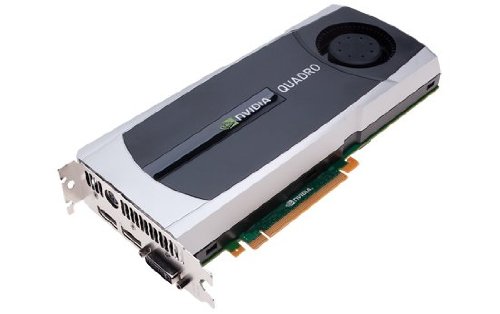
Image: NVIDIA 699-51030-0501-101 Graphics Card. This image displays the graphics card from an angled perspective, showing the cooling fan, heatsink, and the PCIe connector.
Safety Guidelines
Observe the following safety precautions to prevent damage to the product or injury to yourself:
- Always disconnect power from your computer before installing or removing any components.
- Wear an anti-static wrist strap or frequently touch a grounded metal object to discharge static electricity.
- Handle the graphics card by its edges to avoid touching sensitive components.
- Ensure proper ventilation within your computer case to prevent overheating.
- Keep the product away from moisture and extreme temperatures.
Setup
1. Pre-installation Checks
- Verify your power supply unit (PSU) has sufficient wattage and appropriate connectors for the graphics card.
- Ensure your motherboard has an available PCI Express (PCIe) x16 slot.
- Confirm your computer case has adequate space for the graphics card dimensions.
- Gather necessary tools: Phillips head screwdriver, anti-static wrist strap (recommended).
2. Hardware Installation
- Power Off and Disconnect: Shut down your computer completely and unplug the power cord from the wall outlet.
- Open Case: Remove the side panel of your computer case to access the motherboard.
- Locate PCIe Slot: Identify an available PCI Express x16 slot on your motherboard. This is typically the longest slot.
- Remove Slot Cover: Remove the metal slot cover(s) from the back of your computer case corresponding to the PCIe slot you will use.
- Insert Graphics Card: Carefully align the graphics card with the PCIe slot. Press down firmly and evenly on both ends of the card until it is fully seated in the slot. You should hear a click from the retention clip.
- Secure Card: Secure the graphics card to the computer case using the screw(s) removed from the slot cover(s).
- Connect Power (if applicable): If your graphics card requires additional power, connect the appropriate PCIe power cables from your PSU to the graphics card. This model (NVIDIA 699-51030-0501-101) may not require external power, but always check the card itself for connectors.
- Close Case: Replace the side panel of your computer case.
- Reconnect Peripherals: Reconnect your monitor cable to one of the display outputs on the new graphics card. Reconnect all other peripherals and the power cord.
3. Driver Installation
- Power On: Turn on your computer.
- Download Drivers: Navigate to the official NVIDIA website (www.nvidia.com/drivers) and download the latest drivers compatible with your NVIDIA 699-51030-0501-101 graphics card and operating system.
- Install Drivers: Run the downloaded driver installer and follow the on-screen instructions. It is recommended to perform a clean installation if prompted.
- Restart: Restart your computer after the driver installation is complete.
Operating
Once installed and drivers are updated, your NVIDIA 699-51030-0501-101 graphics card will automatically handle graphics processing for your system. You can verify its operation through your operating system's device manager or NVIDIA Control Panel.
- NVIDIA Control Panel: Access the NVIDIA Control Panel (usually via right-click on desktop or through Windows Control Panel) to adjust display settings, 3D settings, and monitor various aspects of your graphics card.
- Driver Updates: Regularly check the NVIDIA website for driver updates to ensure optimal performance and compatibility with new software and games.
Maintenance
Proper maintenance ensures the longevity and optimal performance of your graphics card.
- Dust Removal: Periodically (e.g., every 6-12 months), power off and unplug your computer. Open the case and use compressed air to gently clear dust from the graphics card's heatsink and fan. Hold the fan blades to prevent over-spinning during cleaning.
- Environmental Conditions: Operate your computer in a clean, dry, and well-ventilated environment. Avoid extreme temperatures and humidity.
Troubleshooting
If you encounter issues, refer to the following common troubleshooting steps:
- No Display Output:
- Ensure the monitor cable is securely connected to the graphics card and the monitor.
- Verify the monitor is set to the correct input source.
- Check if the graphics card is fully seated in its PCIe slot.
- If applicable, ensure all PCIe power connectors are securely attached.
- Test with a different monitor or cable if possible.
- Driver Issues:
- Reinstall the latest drivers from the NVIDIA website.
- Try rolling back to a previous driver version if issues started after an update.
- Use Display Driver Uninstaller (DDU) in Safe Mode to completely remove old drivers before installing new ones.
- Performance Problems (Low FPS, Stuttering):
- Ensure drivers are up to date.
- Check for overheating using monitoring software (e.g., MSI Afterburner, HWMonitor). Clean dust if necessary.
- Verify that your system meets the minimum requirements for the applications or games you are running.
- Check power supply unit (PSU) wattage; an insufficient PSU can cause performance issues.
- System Instability (Crashes, Blue Screens):
- Check for driver conflicts or corruption.
- Monitor temperatures to rule out overheating.
- Ensure the graphics card is properly seated and secured.
- Run memory diagnostic tools to check for RAM issues.
Technical Specifications
Key specifications for the NVIDIA 699-51030-0501-101 graphics card:
| Model Number | NVIDIA 699-51030-0501-101 |
| Brand | NVIDIA |
| Graphics Coprocessor | NVIDIA 699-51030 |
| Graphics Processor Manufacturer | NVIDIA |
| Compatible Devices | Desktop |
| ASIN | B01NBI92VC |
| Date First Available | December 8, 2016 |
Warranty and Support
This NVIDIA graphics card is covered by the manufacturer's standard warranty. For specific warranty terms, duration, and to register your product, please refer to the official NVIDIA website or contact NVIDIA customer support directly.
For technical assistance, driver downloads, and further support resources, visit the official NVIDIA support portal:
- NVIDIA Support: www.nvidia.com/support


