
Product Overview
The Oceanic Water Systems SP20G is a whole house salt-free water conditioner designed to prevent scale buildup in plumbing and appliances. Utilizing Template Assisted Crystallization (TAC) technology, this system neutralizes hardness minerals like calcium and magnesium, converting them into microscopic crystals that do not adhere to surfaces. This process helps to extend the lifespan of pipes and water-using appliances without the need for salt or harsh chemicals, while retaining essential minerals in your water.
Components Included
Upon unpacking, verify that all the following components are present:
- Media Scale Prevention (Pre-Loaded)
- Mineral Tank / FRP Tank
- Distributor Assembly
- In/Out Tank Head
- Bypass Valve
- Adapters
Operating Principle: Template Assisted Crystallization (TAC)
The SP20G system employs Template Assisted Crystallization (TAC) technology. This physical water treatment method prevents scale formation by facilitating the crystallization of hardness minerals. Inside the TAC treatment tank, specialized porcelain beads feature an atomic-level pattern. As water flows through, calcium, magnesium, and bicarbonate ions align on these templates, forming millions of microscopic, non-adhering crystals. These crystals are then released into the treated water and carried downstream in suspension, preventing them from forming scale on pipes, fixtures, and heating elements. This process can also help to dissolve existing scale over time.

Figure 1: Internal diagram of the Oceanic Water Systems SP20G, illustrating the flow and function of the scale prevention media within the FRP tank.
Installation Guidelines
Installation of the Oceanic Water Systems SP20G should ideally be performed by a qualified plumber to ensure proper function and compliance with local plumbing codes. The system is designed for whole-house application and should be installed on the main water supply line after the water meter but before the water heater and any other water-using appliances.
- Location: Choose a dry, level area protected from direct sunlight and freezing temperatures. Ensure adequate space for maintenance.
- Plumbing: Install the system vertically. Ensure proper inlet and outlet connections. A bypass valve is included to allow water flow to the house during maintenance or in case of system bypass.
- Pressure: Ensure your water pressure is within the recommended operating range for the system.
- Flush: After installation, slowly open the main water supply and flush the system according to the plumber's instructions to remove any air or fine media particles.

Figure 2: The Oceanic Water Systems SP20G whole house salt-free water conditioner unit.
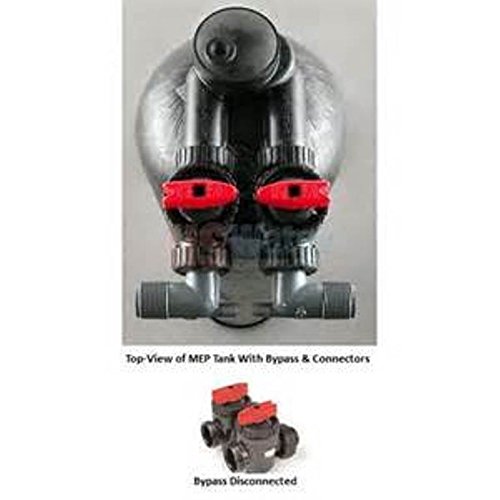
Figure 3: Detailed view of the bypass valve assembly, illustrating its connection and disconnection for system isolation.
Maintenance
The Oceanic Water Systems SP20G is designed for minimal maintenance. Unlike traditional salt-based softeners, it does not require salt refills, backwashing, or electricity for its primary function. The scale prevention media has a long lifespan, typically several years, before replacement is necessary. Consult the manufacturer's guidelines for specific media replacement intervals.
- Periodic Inspection: Periodically inspect the system for any leaks or visible damage.
- Media Replacement: The TAC media will eventually need replacement. The frequency depends on water usage and hardness levels. Refer to the manufacturer's recommendations for media lifespan and replacement procedures.
Troubleshooting
Issue: Persistent Scale Formation
If you observe continued scale buildup after system installation, consider the following:
- Verify Installation: Ensure the system was installed correctly according to the guidelines, including proper flow direction and bypass valve positioning.
- Flow Rate: Confirm that your household's peak water usage does not consistently exceed the system's rated flow capacity (20 GPM for the SP20G). Excessive flow can reduce treatment effectiveness.
- Water Hardness: While effective for most hardness levels, extremely high hardness might require specific considerations.
- System Bypass: Ensure the bypass valve is in the 'service' position, allowing water to flow through the conditioner.
- Contact Support: If issues persist after checking these points, contact Oceanic Water Systems customer support for further assistance.
Specifications
| Feature | Detail |
|---|---|
| Brand | Oceanic Water Systems |
| Model Number | SP20G |
| Product Dimensions | 10 x 10 x 54 inches |
| Flow Rate | 20 GPM (Gallons Per Minute) |
| UPC | 818368014511 |
| Manufacturer | Oceanic Water Systems |
Warranty Information
For detailed warranty terms and conditions, please refer to the documentation provided with your purchase or contact Oceanic Water Systems directly. Warranty coverage typically includes defects in materials and workmanship for a specified period from the date of purchase.
Customer Support
Should you have any questions regarding the installation, operation, maintenance, or troubleshooting of your Oceanic Water Systems SP20G, please contact the manufacturer's customer support. Contact information can typically be found on the product packaging or the official Oceanic Water Systems website.
Understanding Salt-Free vs. Salt-Based Systems
The SP20G is a salt-free water conditioner, offering distinct advantages over traditional salt-based water softeners. While salt-based systems reduce water hardness by ion exchange, replacing calcium and magnesium with sodium, salt-free systems like the SP20G prevent scale by transforming hardness minerals into a non-adhering crystalline form. This means no salt is added to your water, essential minerals are retained, and there is no need for routine backwashing or salt bag replenishment.

Figure 4: Comparative illustration detailing the operational differences and benefits of salt-free water conditioners versus traditional salt-based water softeners.