
1. Introduction
This instruction manual provides essential information for the proper installation, operation, maintenance, and troubleshooting of the Dorman 916-937 Engine Variable Valve Timing (VVT) Solenoid. Adherence to these guidelines will help ensure the correct function and longevity of the component. For optimal results, professional installation is recommended.
2. Product Description
The Dorman 916-937 VVT Solenoid is a direct replacement component designed to match the fit and function of the original VVT solenoid in specific vehicle applications. Manufactured from quality materials, this solenoid is engineered for reliable performance and a long service life. It plays a critical role in the engine's variable valve timing system, which optimizes valve lift and duration for improved engine efficiency and performance.

Figure 1: Dorman 916-937 Engine Variable Valve Timing Solenoid, angled view.
3. Key Features
- Ideal Replacement: Engineered to match the function and performance of the original equipment part.
- Durable Construction: Manufactured from quality alloy steel and stainless steel for extended service life.
- Vehicle Tested: Undergoes on-vehicle testing to ensure proper fit and performance.
- Precision Engineering: Machined to micron-level tolerances, verified through outside micrometer testing.
- Performance Verification: Subjected to oil flow testing to ensure proper function across all operating pressures.

Figure 2: Outside micrometer testing verifies precision machining of the solenoid.

Figure 3: Oil flow testing ensures the solenoid performs correctly under various pressures.
4. Vehicle Compatibility
The Dorman 916-937 VVT Solenoid is compatible with the following vehicle models and years. Always verify fitment using a vehicle compatibility tool or by consulting your vehicle's service manual.
- Buick Envision: 2016, 2017, 2018, 2019, 2020
- Buick LaCrosse: 2018, 2019
- Buick Regal Sportback: 2018, 2019, 2020
- Buick Regal TourX: 2018, 2019, 2020
- Buick Regal: 2014, 2015, 2016, 2017
- Cadillac ATS: 2013, 2014, 2015, 2016, 2017, 2018, 2019
- Cadillac CT6: 2016, 2017, 2018
- Cadillac CTS: 2014, 2015, 2016, 2017, 2018, 2019
- Chevrolet Blazer: 2019, 2020
- Chevrolet Camaro: 2016, 2017, 2018, 2019, 2020
- Chevrolet Colorado: 2015, 2016, 2017, 2018, 2019, 2020, 2021
- Chevrolet Equinox: 2018, 2019, 2020
- Chevrolet Impala: 2014, 2015, 2016, 2017, 2018, 2019
- Chevrolet Malibu Limited: 2016
- Chevrolet Malibu: 2013, 2014, 2015, 2016, 2017, 2018, 2019, 2020, 2021
- Chevrolet Traverse: 2018, 2019
- GMC Acadia: 2017, 2018, 2019, 2020
- GMC Canyon: 2015, 2016, 2017, 2018, 2019, 2020, 2021
- GMC Terrain: 2018, 2019, 2020
5. Installation Instructions
The following are general steps for replacing a VVT solenoid. Specific procedures may vary by vehicle model. Always refer to your vehicle's factory service manual for detailed instructions and safety precautions.
5.1 Safety Precautions
- Ensure the engine is cool before beginning work.
- Disconnect the vehicle's battery to prevent electrical hazards.
- Wear appropriate personal protective equipment, including gloves and eye protection.
- Work in a well-ventilated area.
5.2 Required Tools
Typical tools include a ratchet, appropriate sockets, torque wrench, and possibly a flat-head screwdriver or pry tool for connectors.
5.3 Replacement Procedure
- Locate the VVT solenoid(s) on your engine. Their position can vary, but they are typically found on the cylinder head or valve cover.
- Carefully disconnect the electrical connector from the old VVT solenoid.
- Remove the retaining bolt or clip that secures the VVT solenoid in place.
- Gently pull the old VVT solenoid straight out from its bore. Some oil may leak out; have a rag ready.
- Inspect the bore for any debris or damage. Clean if necessary.
- Apply a small amount of clean engine oil to the O-rings of the new Dorman 916-937 VVT Solenoid.
- Insert the new solenoid into the bore, ensuring it seats properly. Do not force it.
- Reinstall the retaining bolt or clip and tighten it to the manufacturer's specified torque.
- Reconnect the electrical connector, ensuring it clicks into place securely.
- Reconnect the vehicle's battery.
- Start the engine and check for proper operation and any diagnostic trouble codes (DTCs).
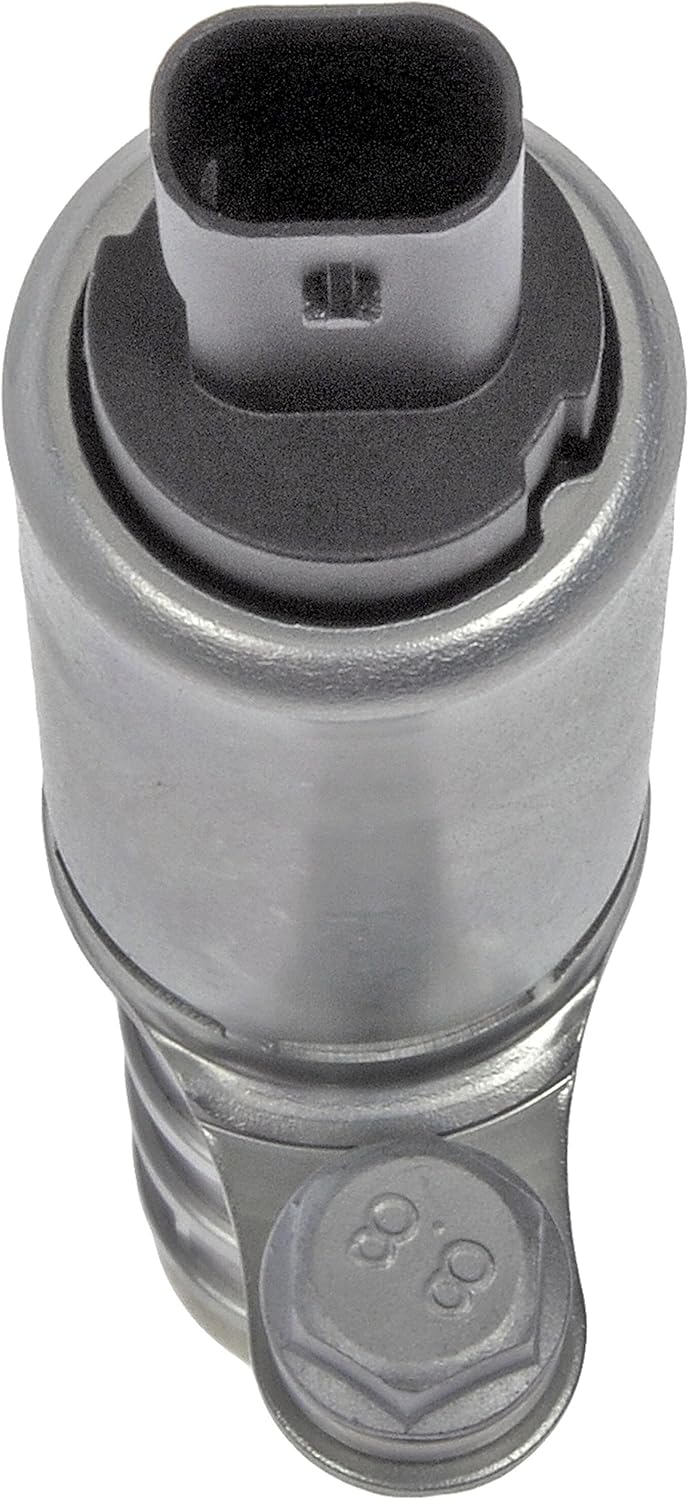
Figure 4: Top view of the Dorman 916-937 VVT Solenoid, showing the electrical connector.

Figure 5: Side view of the Dorman 916-937 VVT Solenoid, highlighting the mounting bracket.

Figure 6: Full length view of the Dorman 916-937 VVT Solenoid, showing the filter screen and electrical connection.
6. Operation Principles
The Variable Valve Timing (VVT) solenoid is an electro-hydraulic component controlled by the engine's Powertrain Control Module (PCM). It regulates the flow of engine oil to the camshaft phasers, which in turn adjust the timing of the intake and/or exhaust valves. This adjustment allows the engine to optimize valve overlap for various engine speeds and loads, leading to improved fuel economy, reduced emissions, and increased power output.
7. Maintenance Guidelines
VVT solenoids are generally considered maintenance-free components. However, their proper function is highly dependent on clean engine oil. Regular engine oil changes, according to your vehicle manufacturer's recommendations, are crucial to prevent clogging of the solenoid's internal screens and passages. Using the correct type and viscosity of engine oil is also important.
8. Troubleshooting Common Issues
A malfunctioning VVT solenoid can lead to various engine performance issues. If you experience any of the following symptoms, it may indicate a problem with the VVT system, potentially including the solenoid:
- Check Engine Light: The most common indicator, often accompanied by specific VVT-related diagnostic trouble codes (DTCs).
- Rough Idling: Engine may run unevenly or stall at idle.
- Reduced Fuel Economy: Inefficient valve timing can lead to increased fuel consumption.
- Decreased Engine Performance: Noticeable loss of power or acceleration.
- Increased Emissions: Improper combustion due to incorrect valve timing.
- Engine Noise: Ticking or rattling sounds, especially at startup or low RPMs, which could indicate issues with oil pressure or VVT components.
If these symptoms occur, it is recommended to have the vehicle diagnosed by a qualified technician. Diagnosis typically involves scanning for DTCs, checking oil pressure, and testing the VVT solenoid's electrical and mechanical function.
9. Technical Specifications
| Specification | Value |
|---|---|
| Model Number | 916-937 |
| Brand | Dorman |
| Material | Alloy Steel, Stainless Steel |
| Item Dimensions (L x W x H) | 6.5 x 2.25 x 2.25 inches |
| Item Weight | 6 ounces |
| Exterior Finish | Machined |
| Number of Ports | 2 |
| Inlet Connection Size | 2.25 Inches |
| Inlet Connection Type | SAE |
| Outlet Connection Size | 2.25 Inches |
| Outlet Connection Type | SAE |
| OEM Part Number Equivalents | 18-710B; 190-071; 2T1191; 7V-1007; 7V1007; AL-174; SK916937; TS1191; VTS1156; VV1196; VVS1852; VVS239; VVT296; 12627116; 12655433; 12662737 |
10. Warranty and Support Information
Dorman Products has a long history of providing automotive replacement parts. For specific warranty details or technical support regarding your Dorman 916-937 VVT Solenoid, please refer to the official Dorman website or contact their customer service department. Always retain your proof of purchase for warranty claims.
You can find more information and support resources by visiting the official Dorman store: Dorman Store on Amazon.