
1. Overview
This manual provides essential information for the Carter Fuel Pump Reservoir (P74699R), designed for Dodge Ram 2500 models from 1996-1997. It covers product features, installation guidelines, operating principles, maintenance, and troubleshooting to ensure quiet operation, durability, and resistance to contamination. Carter Fuel Systems leverages over a century of Original Equipment (OE) experience to deliver reliable fuel delivery technology across various applications.
2. Product Features
- Vehicle Application: Specifically designed for Dodge Ram 2500 models manufactured between 1996 and 1997.
- Premium Quality Materials: Constructed with all-new components, adhering to rigorous quality control standards for enhanced reliability.
- Long-Lasting Performance: Features an advanced fuel sensor design engineered to resist corrosive fuel blends and additives, promoting extended service life.
- Complete Installation Kit: Includes necessary components such as tank seals, a patented high-gradient density strainer, and a wiring harness for a straightforward installation process.
- Reliable Fuel Delivery: Ensures consistent and efficient fuel supply, contributing to optimal engine performance and extending the overall life of your vehicle's fuel system.
3. Safety Information
Working with fuel systems involves inherent risks. Always prioritize safety to prevent injury or damage. It is highly recommended that installation and maintenance be performed by a qualified professional.
- Fire Hazard: Fuel is highly flammable. Ensure the work area is well-ventilated and free from open flames, sparks, or any ignition sources. Disconnect the vehicle's battery before starting work.
- Personal Protective Equipment (PPE): Wear appropriate safety glasses, gloves, and protective clothing to guard against fuel exposure and potential injuries.
- Fuel Pressure: The fuel system operates under pressure. Relieve fuel system pressure before disconnecting any fuel lines to prevent fuel spray. Refer to your vehicle's service manual for the correct procedure.
- Proper Disposal: Dispose of old fuel, filters, and other contaminated materials according to local environmental regulations.
- Vehicle Support: Securely lift and support the vehicle using jack stands on a level surface. Never rely solely on a jack.
4. Installation Guidelines
Installation of a fuel pump reservoir requires specialized tools and knowledge. For detailed, vehicle-specific instructions, consult the official service manual for your 1996-1997 Dodge Ram 2500. Professional installation is strongly recommended.
General Steps (Consult Service Manual for Details):
- Preparation: Ensure the fuel tank is as empty as possible. Disconnect the negative terminal of the vehicle's battery.
- Access: Safely lift the vehicle and locate the fuel tank. Depending on the vehicle, access may be from underneath or through an access panel in the vehicle floor.
- Relieve Fuel Pressure: Follow the vehicle manufacturer's procedure to safely relieve fuel system pressure.
- Disconnect Components: Disconnect electrical connectors, fuel lines, and any other hoses attached to the fuel pump assembly. Be prepared for residual fuel leakage.
- Remove Old Unit: Carefully remove the retaining ring or bolts securing the fuel pump reservoir to the fuel tank. Extract the old assembly.
- Install New Unit: Install the new Carter Fuel Pump Reservoir (P74699R) with the new tank seal provided in the kit. Ensure proper alignment and secure the retaining ring or bolts.
- Reconnect: Reconnect all fuel lines and electrical connectors. Double-check all connections for security.
- Test: Reconnect the battery. Turn the ignition to the "ON" position (without starting the engine) several times to prime the fuel system. Check for any fuel leaks. Start the engine and verify proper operation.
Product Images:


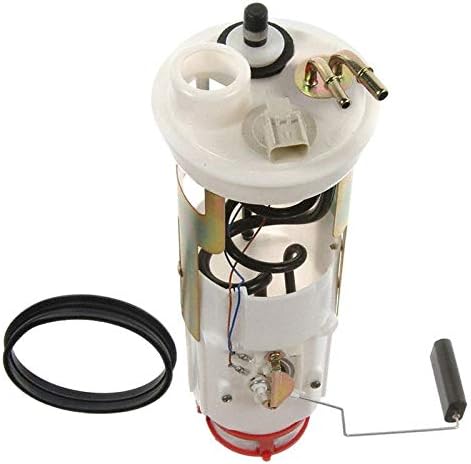
5. Operating Principles
The Carter Fuel Pump Reservoir (P74699R) is an electric fuel pump assembly designed to draw fuel from the vehicle's fuel tank and deliver it under pressure to the engine's fuel injection system. It typically includes a fuel pump, a fuel level sending unit (float arm), and a strainer. The fuel pump maintains a consistent fuel pressure, ensuring the engine receives the correct amount of fuel for combustion. The fuel level sending unit provides accurate readings to the vehicle's fuel gauge, indicating the amount of fuel remaining in the tank. The integrated strainer filters out impurities from the fuel, protecting the pump and engine components from damage.
6. Maintenance
Proper maintenance of your fuel system components can extend their lifespan and ensure optimal vehicle performance.
- Fuel Filter Replacement: While this unit includes a strainer, regular replacement of the vehicle's main fuel filter (if applicable) is crucial to prevent contaminants from reaching the fuel pump and injectors. Consult your vehicle's service schedule.
- Keep Fuel Tank Full: Avoid consistently running the fuel tank to near empty. The fuel helps cool the electric fuel pump, and low fuel levels can lead to overheating and premature failure.
- Use Quality Fuel: Always use high-quality, clean diesel fuel as specified by your vehicle manufacturer to minimize contamination and wear on fuel system components.
- Inspect for Leaks: Periodically inspect fuel lines and connections for any signs of leaks or damage. Address any issues promptly.
7. Troubleshooting
If you experience issues with your fuel system, consider the following common problems and potential solutions. Always consult a qualified mechanic for diagnosis and repair.
| Symptom | Possible Cause | Action |
|---|---|---|
| Engine Cranks but Won't Start | No fuel pressure, clogged fuel filter, faulty fuel pump. | Check fuel pressure. Inspect fuel filter. Verify fuel pump operation (listen for hum). |
| Engine Stalling or Misfiring | Inconsistent fuel delivery, low fuel pressure, contaminated fuel. | Check fuel pressure. Inspect fuel quality. |
| Fuel Gauge Inaccurate | Faulty fuel level sending unit (float arm). | Inspect the float arm and electrical connections for damage or obstruction. |
| Loud Whining Noise from Fuel Tank | Failing fuel pump, clogged fuel filter, low fuel level. | Check fuel level. Inspect fuel filter. Consider fuel pump replacement if other causes are ruled out. |
| Fuel Leaks | Improperly seated seals, damaged fuel lines, loose connections. | Immediately address any fuel leaks. Re-check all connections and seals. |
8. Specifications
| Specification | Value |
|---|---|
| Brand | Carter Fuel Systems |
| Model Number | P74699R |
| Fit Type | Vehicle Specific Fit |
| Vehicle Service Type | Diesel Vehicles |
| Item Dimensions (L x W x H) | 16.5 x 7.9 x 6.8 inches |
| Material | POM (Polyoxymethylene), Aluminum |
| Item Weight | 2.95 pounds (1.34 Kilograms) |
| Specification Met | OE (Original Equipment) |
| Auto Part Position | Bottom (Tank Mount) |
| Outlet Connection Type | Threaded |
| Inlet Connection Type | Threaded |
| Gas Type | Diesel |
| Operation Mode | Electrical |
| UPC | 889464004393 |
9. Warranty and Support
This product is typically covered by a manufacturer's warranty. For specific warranty details, including duration and coverage, please refer to the documentation included with your purchase or contact Carter Fuel Systems directly. For technical support or assistance with installation, it is recommended to consult a certified automotive technician or contact Carter Fuel Systems customer service.
Return Policy: The standard return policy for this product is 30 days for refund/replacement, typically handled by the seller (e.g., Amazon).