
1. Introduction
The GeoVision GV-VS2400 is a compact and powerful 4-channel H.264 Video Server designed for converting analog video signals into high-resolution digital images. This device supports TVI 1080p/720p and analog 960H/D1 real-time video inputs, making it an integral part of a comprehensive IP surveillance solution when integrated with GV-System (GV-DVR/NVR) or GV-VMS.
Key features include support for over 50 PTZ camera models, local video recording to USB storage, and a Tampering Alarm system to enhance security. The GV-VS2400 is suitable for various surveillance applications requiring reliable video digitization and management.
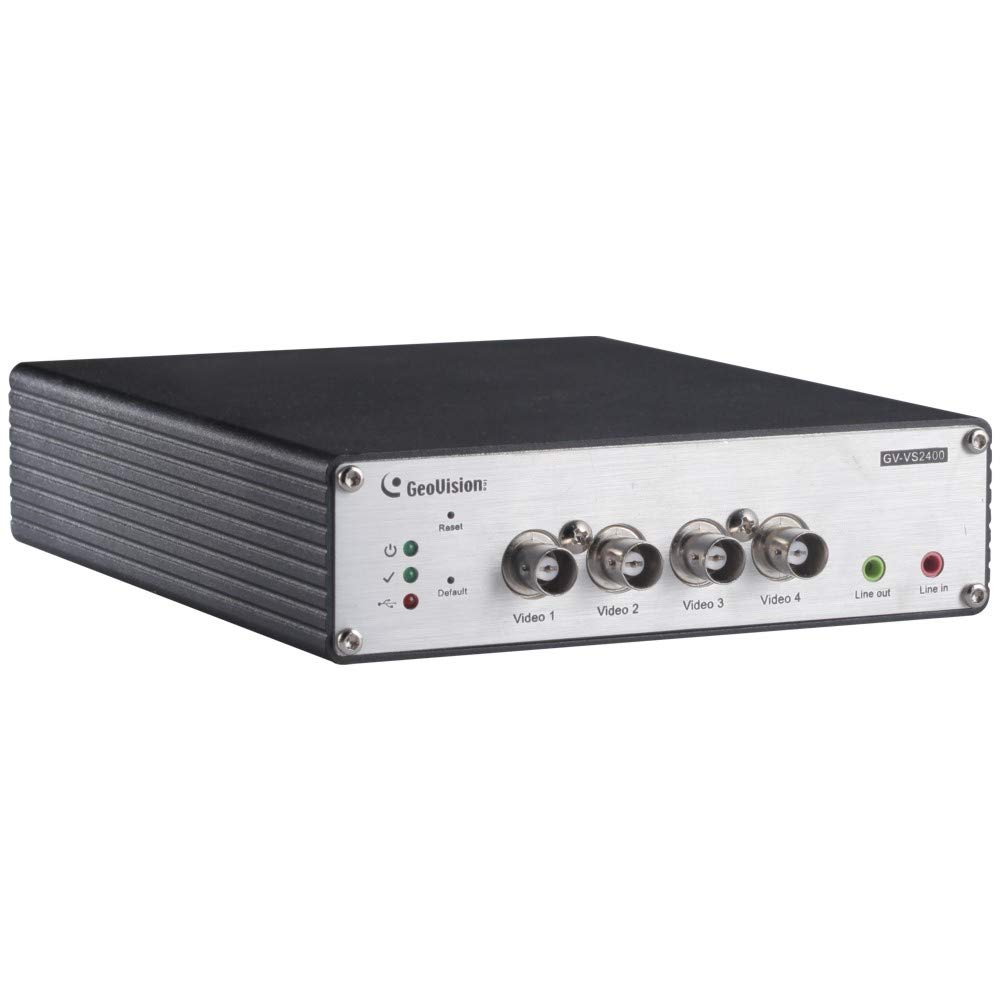
Figure 1: Front view of the GeoVision GV-VS2400 Video Server, showing its compact design and ports.
2. Setup
2.1 Package Contents
Before beginning installation, verify that all items are present in the package:
- GV-VS2400 Video Server Unit
- Power Adapter (12V DC)
- Quick Start Guide
- Software CD (GV-System/GV-VMS)
- Mounting Kit (if applicable)
2.2 Hardware Installation
- Connect Cameras: Connect up to four TVI 1080p/720p or analog 960H/D1 cameras to the video input ports on the GV-VS2400. Ensure secure connections.
- Network Connection: Connect the GV-VS2400 to your network using an Ethernet cable. Alternatively, configure Wi-Fi or 3G/4G connectivity as required.
- USB Storage (Optional): For local recording, connect a compatible USB HDD to the USB port on the GV-VS2400.
- Power Connection: Connect the 12V DC power adapter to the GV-VS2400 and then plug it into a power outlet. The device will power on automatically.
Figure 2: Rear view of the GV-VS2400, illustrating video input, network, and power connections.
2.3 Initial Configuration
After hardware installation, access the device's web interface for initial configuration:
- Discover Device: Use the GeoVision IP Device Utility software (available on the provided CD or GeoVision website) to discover the GV-VS2400 on your network.
- Access Web Interface: Open a web browser and enter the IP address of the GV-VS2400. Log in using the default credentials (refer to the Quick Start Guide for details).
- Network Settings: Configure network settings, including IP address, subnet mask, and gateway, to match your network environment.
- Video Settings: Adjust video input settings for each connected camera, including resolution, frame rate, and compression (H.264).
- PTZ Control: If using PTZ cameras, configure the appropriate PTZ protocol and settings.
- Storage Configuration: Format and configure the connected USB HDD for video recording.
3. Operating the GV-VS2400
3.1 Live View and Recording
The GV-VS2400 can be monitored and managed through its web interface or integrated with GeoVision's GV-System/GV-VMS software.
- Live View: Access the live video streams from connected cameras through the web interface or client software.
- Manual Recording: Initiate manual recording of video streams to the configured USB storage or network storage.
- Scheduled Recording: Set up recording schedules based on time or events (e.g., motion detection).
3.2 Tampering Alarm
The Tampering Alarm feature detects attempts to obstruct or disable cameras.
- Enable Tampering Detection: In the web interface, navigate to the camera settings and enable the Tampering Alarm for desired channels.
- Configure Actions: Specify actions to be taken when a tampering event is detected, such as sending notifications, triggering recording, or activating an alarm output.
3.3 Mobile Access
The GV-VS2400 supports remote access via mobile devices using GeoVision's mobile applications.
- Download App: Download the appropriate GeoVision mobile app from your device's app store.
- Add Device: Add the GV-VS2400 to the app using its IP address or QR code.
- View Live Feeds: Access live video feeds and manage basic settings remotely.
4. Maintenance
4.1 Firmware Updates
Regularly check for and install firmware updates to ensure optimal performance and security.
- Visit the official GeoVision website for the latest firmware versions.
- Follow the provided instructions for firmware update procedures.
4.2 System Backup and Restore
It is recommended to regularly back up your system configurations.
- Use the web interface to export configuration files.
- Store backup files in a secure location.
4.3 Cleaning
Keep the device clean to prevent dust accumulation and ensure proper ventilation.
- Use a soft, dry cloth to clean the exterior of the unit.
- Do not use liquid cleaners or abrasive materials.
5. Troubleshooting
| Problem | Possible Cause | Solution |
|---|---|---|
| No video signal |
|
|
| Cannot access web interface |
|
|
| Recording not working |
|
|
6. Specifications
| Feature | Description |
|---|---|
| Model | GV-VS2400 |
| Video Input | 4-channel TVI 1080p / 720p, Analog 960H / D1 |
| Video Compression | H.264 |
| Max Resolution | Up to 2 Megapixels (digitized) |
| Connectivity | Ethernet, Wi-Fi, USB, UMTS / 3G / 3.5G / 4G |
| Storage | USB HDD (for local recording) |
| PTZ Support | Supports over 50 PTZ models |
| Power Input | 12V DC |
| Special Features | Tampering Alarm, Automatic switch between WiFi and 3G, Multi-language web interface (29 languages) |
7. Warranty & Support
7.1 Product Warranty
GeoVision products typically come with a limited warranty. Please refer to the warranty card included with your product or visit the official GeoVision website for detailed warranty terms and conditions specific to the GV-VS2400. Keep your proof of purchase for warranty claims.
7.2 Technical Support
For technical assistance, product inquiries, or troubleshooting beyond this manual, please contact GeoVision technical support:
- Website: Visit the official GeoVision website for support resources, FAQs, and driver downloads.
- Contact Information: Refer to the GeoVision website for regional contact numbers and email addresses for technical support.
- Online Resources: Explore GeoVision's online knowledge base and forums for community support and additional information.


