
1. Introduction
This manual provides essential information for the safe and efficient operation of your vidaXL 1-Stage 50L/min Vacuum Pump. Designed for professional use in air conditioning and refrigeration systems, this pump creates a vacuum to facilitate refrigerant charging. It is also suitable for refrigeration repair, printing machinery, medical equipment, vacuum packaging, thermoforming, and other extraction processes. Please read this manual thoroughly before use and retain it for future reference.

Figure 1: The vidaXL 1-Stage 50L/min Vacuum Pump alongside its oil bottle.
2. Safety Information
WARNING: Always observe basic safety precautions when using electrical appliances to reduce the risk of fire, electric shock, and personal injury.
- This appliance is not a toy. Keep children and bystanders away from the device during operation.
- Ensure the power supply matches the specifications listed on the pump's rating label.
- Do not operate the pump in wet conditions or expose it to rain.
- Always disconnect the power supply before performing any maintenance or repairs.
- Use appropriate personal protective equipment, such as safety glasses and gloves, when handling refrigerants or oils.
- Ensure adequate ventilation when operating the pump, especially in enclosed spaces.
3. Package Contents
Verify that all items are present and undamaged upon unpacking.
- 1 x vidaXL 1-Stage 50L/min Vacuum Pump
- 1 x Oil bottle (for vacuum pump oil)

Figure 2: The oil bottle supplied with the vacuum pump.
4. Setup and Initial Preparation
4.1. Adding Vacuum Pump Oil
- Place the vacuum pump on a stable, level surface.
- Locate the oil fill port, usually marked with a cap.
- Unscrew the oil fill cap.
- Carefully pour the vacuum pump oil (supplied in the oil bottle) into the fill port.
- Monitor the oil level through the sight glass on the side of the pump. The oil level should be between the "MIN" and "MAX" marks.
- Screw the oil fill cap back on securely.
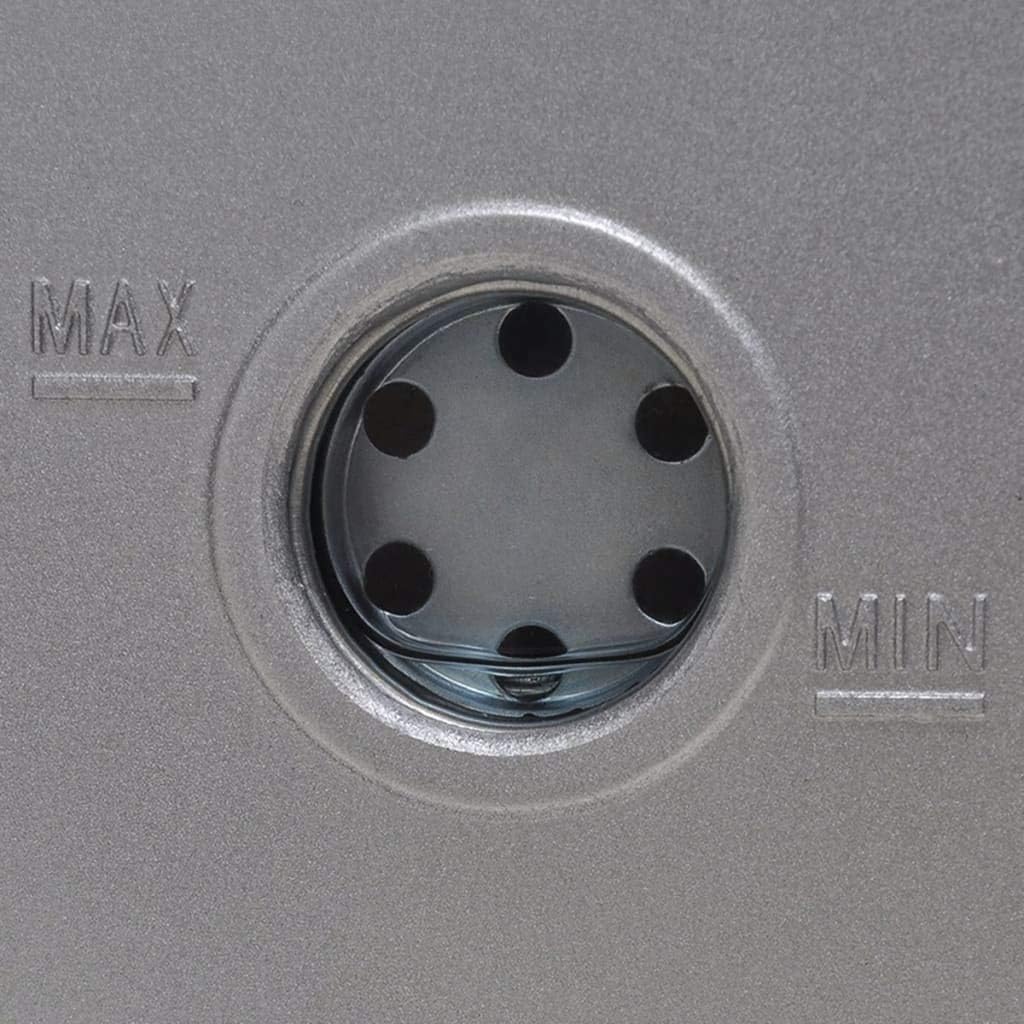
Figure 3: Oil level sight glass, showing MIN and MAX indicators for proper oil filling.
4.2. Connecting to Power
- Ensure the power switch is in the "OFF" position.
- Connect the power cord to the pump's power inlet.
- Plug the power cord into a suitable 220 V, 50 Hz electrical outlet.

Figure 4: The power switch and electrical inlet for connecting the pump to a power source.
5. Operation
5.1. General Use
- Connect the vacuum pump to the system requiring evacuation using appropriate hoses and fittings.
- Ensure all connections are tight to prevent leaks.
- Open any valves on the system to be evacuated.
- Turn the pump's power switch to the "ON" position. The pump will begin to draw a vacuum.
- Allow the pump to run until the desired vacuum level is achieved. This may take some time depending on the system volume and desired vacuum.
- Once the vacuum is achieved, close the system's valves before turning off the pump.
- Turn the pump's power switch to the "OFF" position and disconnect it from the system.

Figure 5: The connection port where hoses are attached for system evacuation.
5.2. Gas Ballast Valve (if applicable)
Some vacuum pumps are equipped with a gas ballast valve (often a red cap/knob). This valve helps to prevent condensation of water vapor inside the pump by introducing a small amount of atmospheric air.
- To use the gas ballast function, open the valve slightly during the initial stages of evacuation, especially when dealing with systems that may contain moisture.
- Close the valve once the majority of the moisture has been removed or for achieving the deepest vacuum.

Figure 6: The red cap, which may function as a gas ballast valve, used to manage moisture during evacuation.
6. Maintenance
6.1. Oil Change
Regular oil changes are crucial for maintaining pump performance and longevity. Change the oil after every 10-20 hours of operation or if the oil appears cloudy or discolored.
- Ensure the pump is turned off and disconnected from power.
- Place a suitable container under the oil drain plug (usually located at the bottom or side of the oil reservoir).
- Unscrew the oil drain plug and allow all old oil to drain completely.
- Dispose of used oil responsibly according to local regulations.
- Replace the oil drain plug securely.
- Refill with new, clean vacuum pump oil as described in Section 4.1.
6.2. General Cleaning
- Keep the exterior of the pump clean and free of dust and debris.
- Use a soft, dry cloth for cleaning. Do not use harsh chemicals or solvents.
- Ensure ventilation openings are not obstructed.
7. Troubleshooting
| Problem | Possible Cause | Solution |
|---|---|---|
| Pump does not start | No power supply; Power switch off; Motor fault | Check power connection and outlet; Turn power switch ON; Contact qualified service personnel |
| Pump not achieving desired vacuum | System leaks; Insufficient oil; Contaminated oil; Worn pump components | Check all connections for leaks; Check and add oil; Change oil; Contact qualified service personnel |
| Excessive noise or vibration | Low oil level; Contaminated oil; Loose components; Internal damage | Check and add oil; Change oil; Inspect for loose parts and tighten; Contact qualified service personnel |
8. Specifications
| Feature | Specification |
|---|---|
| Brand | vidaXL |
| Model | 50 l / min |
| Part Number | 141651 |
| Voltage | 220 V |
| Frequency | 50 Hz |
| Power | 120 W |
| Suction Power | 50 L/min |
| Pump Speed | 2.5 CFM |
| Motor Power | 1/4 HP |
| Rotation Speed | 1,440 rpm |
| Oil Capacity | 220 ml |
| Housing Material | Aluminum alloy |
9. Warranty and Support
For warranty information or technical support, please refer to the documentation provided with your purchase or visit the official vidaXL website.
You can find more information about vidaXL products and support at their official store: vidaXL Store on Amazon.


