
Bobcat S130 Skid Steer Loader Workshop Repair Manual
Comprehensive Service and Repair Instructions
1. Introduction
This workshop repair manual provides detailed service and maintenance procedures for the Bobcat S130 Skid Steer Loader. It is an essential resource for technicians and owners performing repairs, diagnostics, and routine maintenance.
This manual specifically covers the following Bobcat S130 Serial Numbers:
- S/N 5246 11001 & ABOVE
- S/N 5247 11001 & ABOVE
The manual's part number is 6902680 and contains 636 pages of detailed information.
2. Safety Information
Always prioritize safety when working on the Bobcat S130. Failure to follow safety precautions can result in serious injury or death. Read and understand all safety warnings and instructions before performing any service or maintenance.
- Personal Protective Equipment (PPE): Always wear appropriate PPE, including safety glasses, gloves, and protective footwear.
- Lock Out/Tag Out: Ensure the machine is properly shut down, parked on a level surface, and all systems are de-energized before beginning work. Use lock-out/tag-out procedures to prevent accidental startup.
- Hydraulic System Safety: Hydraulic fluid is under high pressure. Relieve all hydraulic pressure before disconnecting lines or components.
- Lifting and Support: Use approved lifting equipment and stands to safely support the machine when working underneath it.
- Battery Safety: Disconnect the battery before working on electrical components. Be aware of potential hazards from battery acid and explosive gases.
- Fire Prevention: Keep fire extinguishers readily available. Be cautious when working with fuels, lubricants, and other flammable materials.
WARNING: Always refer to the specific safety decals on your Bobcat S130 machine for additional warnings and instructions.
3. Product Overview
The Bobcat S130 is a compact and versatile skid steer loader designed for various construction, landscaping, and agricultural tasks. Known for its maneuverability and power, the S130 is a reliable machine requiring proper maintenance and service to ensure optimal performance and longevity.
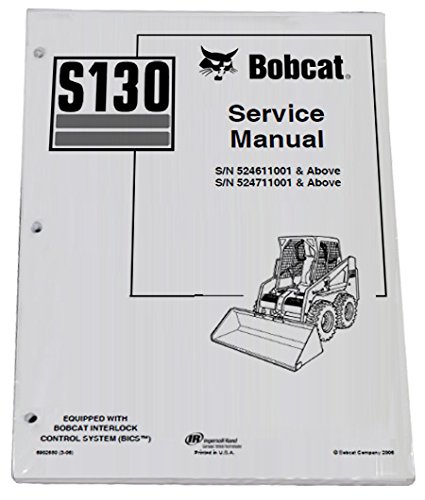
Figure 3.1: Cover of the Bobcat S130 Workshop Repair Manual. This image depicts the front cover of the comprehensive service manual, indicating its purpose for detailed repair and maintenance procedures for the Bobcat S130 Skid Steer Loader.
Key components include the engine, hydraulic system, drive system, and various attachments. This manual provides detailed instructions for servicing each of these systems.
4. Preparing for Service
Before commencing any service or repair work on the Bobcat S130, proper preparation is crucial to ensure safety and efficiency.
- Park on Level Ground: Always park the skid steer on a firm, level surface.
- Lower Lift Arms: Lower the lift arms and tilt the bucket or attachment forward until it rests on the ground.
- Shut Down Engine: Turn off the engine and remove the key from the ignition.
- Engage Parking Brake: Ensure the parking brake is engaged.
- Relieve Pressure: Cycle all hydraulic controls to relieve residual pressure in the hydraulic system.
- Disconnect Battery: For electrical work, disconnect the negative battery cable first, then the positive.
- Clean Work Area: Ensure the work area around the machine is clean and free of obstructions.
- Gather Tools: Collect all necessary tools, diagnostic equipment, and replacement parts before starting.
5. Post-Service Operation and Diagnostics
This section outlines procedures for operating the Bobcat S130 specifically for diagnostic purposes or after completing service and repairs. It is not a substitute for the operator's manual.
5.1. Initial Startup After Service
- Fluid Levels: Verify all fluid levels (engine oil, hydraulic fluid, coolant) are at their correct marks.
- Connections: Check all hoses, wires, and fasteners for proper connection and tightness.
- Clearance: Ensure no tools or debris are left on or in the machine.
- Start Engine: Start the engine and allow it to warm up. Observe for any unusual noises, leaks, or warning lights.
5.2. Functional Checks
Perform functional checks in a safe, open area:
- Steering and Drive: Test forward, reverse, and turning capabilities.
- Lift and Tilt: Operate the lift arms and bucket/attachment through their full range of motion.
- Auxiliary Hydraulics: If applicable, test auxiliary hydraulic functions.
- Brakes: Verify parking brake and service brake functionality.
If any issues are detected during these checks, refer to the troubleshooting section or the relevant repair procedures within this manual.
6. Maintenance
Regular maintenance is critical for the longevity and reliable operation of your Bobcat S130. This section outlines key maintenance tasks and recommended intervals.
6.1. Daily/Every 10 Hours
- Check engine oil level.
- Check hydraulic fluid level.
- Inspect tires for damage and proper inflation.
- Check coolant level.
- Clean debris from radiator and oil cooler.
- Inspect safety interlocks and seat belt.
6.2. Every 50 Hours/Weekly
- Lubricate all grease points.
- Check battery electrolyte level and terminals.
- Inspect drive chains and adjust tension if necessary.
- Check fan belt tension.
6.3. Every 250 Hours/Monthly
- Change engine oil and filter.
- Replace fuel filter.
- Inspect air filter and replace if necessary.
- Check hydraulic filter and replace if necessary.
- Inspect all hoses and lines for leaks or damage.
Note: Always use genuine Bobcat parts and recommended fluids for optimal performance and to maintain warranty coverage.
7. Troubleshooting
This section provides a guide to diagnosing common issues that may arise with your Bobcat S130. For complex problems, consult an authorized Bobcat service technician.
| Problem | Possible Cause | Solution |
|---|---|---|
| Engine Fails to Start | Low battery charge, fuel system issue, safety interlock engaged. | Check battery, fuel level, and ensure seat bar/seat switch are engaged. |
| Loss of Hydraulic Power | Low hydraulic fluid, clogged filter, pump malfunction. | Check hydraulic fluid level, replace hydraulic filter, inspect pump. |
| Overheating Engine | Low coolant, clogged radiator, faulty thermostat, fan belt issue. | Check coolant level, clean radiator, inspect thermostat and fan belt. |
| Unusual Noises | Loose components, worn bearings, hydraulic cavitation. | Inspect for loose parts, check bearing play, bleed hydraulic system. |
8. Specifications
Below are general specifications for the Bobcat S130 Skid Steer Loader. Refer to your machine's specific data plate for exact figures, as specifications can vary by model year and configuration.
- Model: S130 Skid Steer Loader
- Engine: Diesel (specific model varies)
- Operating Weight: Approximately 5,000 - 5,500 lbs (2,268 - 2,495 kg)
- Rated Operating Capacity: Approximately 1,300 lbs (590 kg)
- Tipping Load: Approximately 2,600 lbs (1,179 kg)
- Lift Height: Approximately 114.5 inches (2908 mm) to hinge pin
- Fuel Tank Capacity: Approximately 17.5 US gallons (66.2 L)
- Hydraulic System Capacity: Approximately 10.5 US gallons (39.7 L)
- Drive System: Hydrostatic
- Serial Numbers Covered: S/N 5246 11001 & ABOVE, S/N 5247 11001 & ABOVE
- Manual Part Number: 6902680
9. Warranty and Support
This workshop repair manual is a guide for service and maintenance. For information regarding your Bobcat S130's warranty, please refer to the original purchase documentation or contact your authorized Bobcat dealer.
For technical support, genuine Bobcat parts, or professional service, always contact an authorized Bobcat dealership. They have trained technicians and specialized tools to ensure your machine receives the best possible care.
You can find your nearest authorized Bobcat dealer by visiting the official Bobcat website or by consulting your local dealer directory.


