
1. Introduction
The Seltron SGC-sgc16 is an advanced solar differential controller designed for efficient management of solar thermal and combined heating systems. It features a backlit liquid crystal display (LCD) that shows hydraulic schemes and various functional data, ensuring intuitive user interaction through graphical icons. This manual provides detailed instructions for the proper installation, operation, and maintenance of your SGC-sgc16 controller.
2. Safety Information
Please read all safety instructions carefully before installing or operating the device. Failure to comply with these instructions may result in electric shock, fire, or serious injury.
- Electrical Safety: Installation and wiring must be performed by a qualified electrician in accordance with all local and national electrical codes. Ensure the power supply is disconnected before any wiring or maintenance.
- Environmental Conditions: Do not expose the controller to direct sunlight, extreme temperatures, high humidity, or corrosive environments.
- Handling: Handle the device with care to avoid physical damage.
- Intended Use: This device is intended solely for controlling solar thermal and combined heating systems as described in this manual. Any other use is considered improper.
3. Product Overview
The Seltron SGC-sgc16 controller features a user-friendly interface with a clear LCD and tactile buttons for navigation and parameter adjustment.
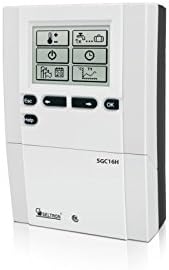
Figure 3.1: Front view of the Seltron SGC-sgc16 Solar Controller. This image shows the main display, navigation buttons (ESC, HELP, OK), and function buttons with graphical icons for temperature, pump status, time, system configuration, and data logging.
3.1. Components
- LCD Display: Backlit screen for displaying system status, parameters, and hydraulic schemes.
- Navigation Buttons:
- ESC: Exits current menu or cancels an action.
- HELP: Provides context-sensitive help or information.
- OK: Confirms selection or enters a menu.
- Up/Down Arrows (implied by icons): For navigating through menus and adjusting values.
- Function Icons: Represent various system functions and settings, such as temperature, pump operation, time settings, and system configuration.
4. Specifications
Key technical specifications for the Seltron SGC-sgc16 solar controller:
| Specification | Value |
|---|---|
| Manufacturer | SELTRON |
| Item Weight | 2 kg (2 Kilograms) |
| ASIN | B01EVAOGW2 |
| First Available Date | May 18, 2016 |

Figure 4.1: Dimensions of the Seltron SGC-sgc16 Solar Controller. The diagram indicates a height of 163 mm, a width of 113 mm, and a depth of 48 mm.
5. Setup and Installation
Installation of the SGC-sgc16 controller should only be performed by qualified personnel, such as a certified electrician or heating technician. Incorrect installation can lead to system malfunction, damage, or safety hazards.
5.1. Mounting
- Choose a dry, well-ventilated location, away from direct sunlight, heat sources, and excessive moisture.
- Ensure sufficient space around the controller for ventilation and access to wiring terminals.
- Mount the controller securely to a wall or panel using appropriate screws and anchors. Refer to the dimension diagram in Section 4 for mounting hole locations.
5.2. Electrical Connections
Before making any electrical connections, ensure the main power supply to the heating system is disconnected at the circuit breaker.
- Power Supply: Connect the controller to a stable power supply according to local electrical regulations.
- Sensor Connections: Connect temperature sensors (e.g., collector sensor, tank sensor) to the designated terminals. Ensure correct polarity if applicable.
- Pump/Valve Connections: Connect the solar pump(s) and any control valves to the appropriate output terminals. Verify that the connected devices' power ratings do not exceed the controller's output capacity.
- Grounding: Ensure the controller is properly grounded to prevent electrical hazards.
After all connections are made, double-check wiring for correctness and security before restoring power.
6. Operating Instructions
The SGC-sgc16 controller is designed for intuitive operation. Upon initial power-up, the controller may guide you through a setup wizard to configure basic system parameters.
6.1. Initial Power-Up and Basic Settings
- Power On: Restore power to the controller. The display will illuminate.
- Language Selection: If prompted, select your preferred language using the navigation buttons and confirm with OK.
- Date and Time: Set the current date and time. This is crucial for functions like holiday modes or timed operations.
- Hydraulic Scheme Selection: The controller comes with pre-installed hydraulic schemes. Select the scheme that matches your solar and heating system configuration. This is typically represented graphically on the display.
6.2. Menu Navigation
Use the buttons on the front panel to navigate through the menus:
- OK Button: Enters a menu or confirms a selection/value.
- ESC Button: Returns to the previous menu level or cancels an input.
- Arrow Buttons (implied): Navigate up/down through menu options or increase/decrease values.
- HELP Button: Provides information about the currently displayed parameter or menu item.
6.3. Parameter Adjustment
To adjust a parameter (e.g., differential temperature, maximum tank temperature):
- Navigate to the desired parameter using the arrow buttons.
- Press OK to enter edit mode for that parameter. The value may start blinking.
- Use the arrow buttons to change the value.
- Press OK to save the new value and exit edit mode. Press ESC to discard changes.
6.4. Monitoring System Status
The main display provides real-time information about your system. You can typically view:
- Current temperatures from all connected sensors.
- Status of pumps and valves (on/off).
- System operating mode.
- Error messages or warnings.
7. Maintenance
The Seltron SGC-sgc16 controller requires minimal maintenance to ensure long-term reliable operation.
7.1. Cleaning
- Wipe the exterior of the controller with a soft, dry, or slightly damp cloth.
- Do not use abrasive cleaners, solvents, or chemical sprays, as these can damage the casing or display.
- Ensure no liquid enters the device.
7.2. System Checks
- Periodically check all wiring connections for tightness and signs of wear or damage.
- Monitor the system's performance via the controller's display to ensure it is operating within expected parameters.
- Ensure sensors are securely in place and not damaged.
For any internal maintenance or repairs, contact a qualified service technician. Do not attempt to open the controller casing yourself.
8. Troubleshooting
This section provides solutions to common issues you might encounter with your SGC-sgc16 controller. For problems not listed here, or if solutions do not resolve the issue, contact Seltron customer support or a qualified technician.
| Problem | Possible Cause | Solution |
|---|---|---|
| Controller display is blank. | No power supply; loose connection; internal fault. | Check power supply to the controller. Verify all electrical connections. If power is present and connections are secure, contact support. |
| System not heating or pump not running. | Incorrect temperature differential settings; faulty sensor; pump malfunction; air in system. | Check differential temperature settings. Verify sensor readings on display. Inspect pump for operation. Bleed air from the system if necessary. |
| Error message on display. | Sensor fault; communication error; system parameter out of range. | Note the error code/message. Refer to the HELP function on the controller or consult the full technical manual for specific error codes. Check sensor connections. |
| Incorrect temperature readings. | Faulty sensor; sensor not properly installed; wiring issue. | Ensure sensors are correctly positioned and making good contact. Check sensor wiring for damage or loose connections. Replace faulty sensors if necessary. |
9. Disposal
This product contains electronic components and should not be disposed of with household waste. Please dispose of the device in accordance with local regulations for electronic waste. Contact your local authorities or recycling center for information on proper disposal methods.