Introduction
This manual provides essential information for the safe and effective use of your new 20 lb Steel Propane LP Cylinder with OPD Valve. This durable and portable cylinder is designed for various applications including recreation, heating, camping, and barbecue. Please read this manual thoroughly before using the product.
Safety Guidelines
Propane is a highly flammable gas. Failure to follow these safety instructions can result in serious injury, death, or property damage.
- Storage: Store propane cylinders outdoors in a well-ventilated area, away from direct sunlight, heat sources, and ignition sources. Never store cylinders indoors or in enclosed spaces.
- Transportation: Transport cylinders in an upright position, secured to prevent tipping or rolling. Ensure adequate ventilation in the vehicle.
- Leak Detection: Always check for leaks using a soapy water solution. Apply the solution to connections; bubbles indicate a leak. Never use an open flame to check for leaks.
- Filling: Only allow qualified personnel to fill your propane cylinder. Cylinders are shipped empty and must be filled before use.
- Ventilation: Use propane appliances only in well-ventilated areas. Carbon monoxide poisoning can occur in enclosed spaces.
- Damage: Do not use a cylinder that is dented, corroded, or shows signs of damage. Contact a qualified professional for inspection.
- Disposal: Do not dispose of cylinders in fire. Return empty or partially filled cylinders to a qualified propane dealer.
Product Components
Your 20 lb Steel Propane LP Cylinder consists of the following key components:
- Cylinder Body: The main steel container for propane.
- OPD Valve (Overfill Prevention Device): A safety feature that prevents the cylinder from being overfilled. This valve is pre-installed.
- POL Valve Connection: The standard connection point for propane hoses and regulators.
- Carry Handles: Integrated handles for easier transportation.
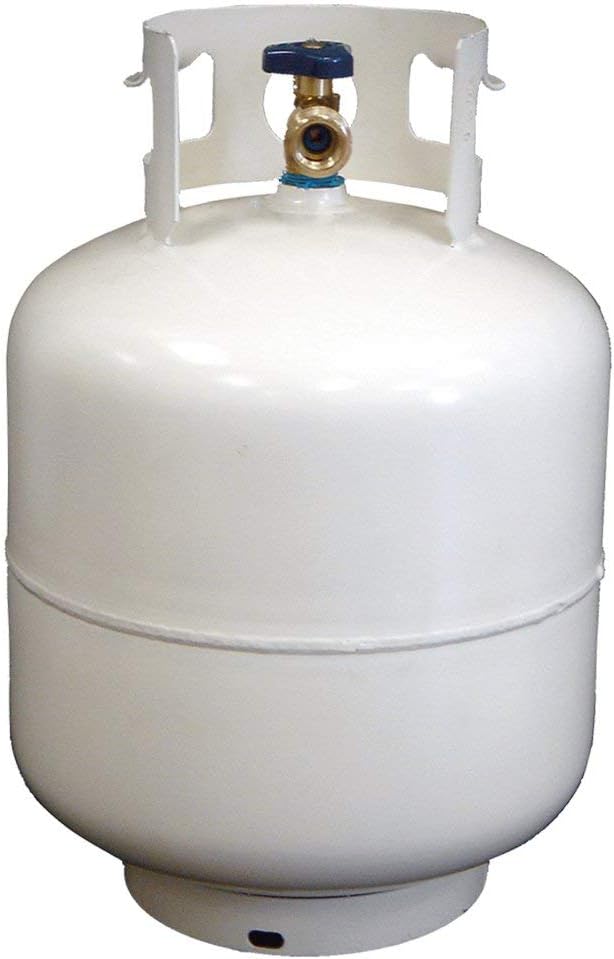
Image 1: Full view of the 20 lb Steel Propane LP Cylinder, showing the main body, valve, and carry handles.

Image 2: Close-up view of the OPD valve and POL connection on the propane cylinder.
Setup and First Use
- Initial Filling: Your cylinder is shipped empty. Take it to a certified propane filling station or a qualified propane dealer for its initial fill. Ensure they are aware it is a new cylinder with an OPD valve.
- Placement: Position the cylinder on a stable, level surface outdoors, away from any ignition sources, heat, or open flames. Ensure adequate ventilation.
- Connecting to Appliance:
- Ensure the appliance valve is in the "OFF" position.
- Connect the appliance's regulator hose to the cylinder's POL valve connection. Turn the connection nut clockwise until hand-tight. Do not overtighten.
- Perform a leak test (see "Leak Test Procedure" below).
- Leak Test Procedure:
- Mix a solution of equal parts liquid dish soap and water.
- Open the cylinder valve slowly, then apply the soapy solution to all connections (cylinder valve to regulator, regulator to hose, etc.).
- If bubbles appear, there is a leak. Immediately close the cylinder valve, tighten connections, and re-test. If leaks persist, do not use the cylinder or appliance; contact a qualified technician.
Operation
- Opening the Valve: Once connected and leak-tested, slowly turn the cylinder valve counter-clockwise to open it fully.
- Using the Appliance: Follow the instructions provided with your propane appliance for ignition and operation.
- Closing the Valve: When finished using the appliance, always turn the cylinder valve clockwise to the "OFF" position first. Allow any remaining gas in the hose to burn off, then turn off the appliance.
- Disconnecting: After ensuring both the cylinder valve and appliance are off, you may disconnect the regulator hose by turning the connection nut counter-clockwise.
Maintenance and Storage
- Regular Inspection: Periodically inspect the cylinder for any signs of rust, dents, or damage. Check the valve for any obstructions or wear.
- Cleaning: Clean the exterior of the cylinder with a damp cloth. Avoid abrasive cleaners or solvents.
- Storage: Store empty or full cylinders upright in a well-ventilated outdoor area, away from children, pets, and ignition sources. Always keep the valve cap (if supplied) on when not in use.
- Re-qualification: Propane cylinders have a limited service life and must be re-qualified or replaced periodically according to DOT (Department of Transportation) regulations. Check the cylinder collar for the last re-qualification date.
Troubleshooting
| Problem | Possible Cause | Solution |
|---|---|---|
| Gas flow is low or stops |
|
|
| Smell of propane |
|
|
| Cylinder feels cold or frosty |
|
|
Specifications
| Feature | Detail |
|---|---|
| Product Type | Propane LP Cylinder |
| Capacity | 20 lb |
| Material | Steel |
| Valve Type | OPD (Overfill Prevention Device) Valve, POL connection |
| Certifications | DOT- and TC-approved |
| Dimensions (approx.) | 17.4 x 17.4 x 12.3 inches |
| Item Weight (empty) | 22 pounds |
| Model Number | 20LBLPG |
Warranty and Support
This product is manufactured by "Varies" and is designed for long service life with high-quality construction and extensive manufacturer testing.
For specific warranty information, please refer to the documentation provided at the time of purchase or contact the retailer. For technical support or inquiries regarding the product, please reach out to the seller or manufacturer directly.
Always ensure that any service or repair work on propane cylinders is performed by qualified and certified professionals.