
AmScope B120C
AmScope 40X-2500X LED Compound Binocular Laboratory Microscope
Model: B120C
Brand: AmScope
Introduction
The AmScope B120C binocular compound microscope is engineered for educational, clinical, and laboratory applications. It is an ideal instrument for students and professionals in medical and biological fields. This microscope features a professional Siedentopf binocular head, a double-layer mechanical stage, coaxial coarse and fine focusing, and LED illumination. It offers six magnification settings ranging from 40x to 2500x, making it suitable for detailed biological, pharmaceutical, and bacteriological research.
This manual provides essential information for the proper setup, operation, maintenance, and troubleshooting of your AmScope B120C microscope to ensure optimal performance and longevity.
Setup and Assembly
Upon unboxing, carefully remove all components from the packaging. Ensure all parts are present and undamaged before proceeding with assembly.

Figure 1: Fully assembled AmScope B120C microscope with an example of a blood cell sample under observation.
Initial Setup Steps:
- Unpacking: Gently remove the microscope body, binocular head, eyepieces, objectives, and power cord from their protective packaging.
- Attaching the Binocular Head: Loosen the head locking screw on the top of the microscope body. Carefully insert the binocular head into the top port, ensuring it is fully seated. Tighten the locking screw to secure the head.
- Inserting Eyepieces: Insert the WF10X and WF25X widefield eyepieces into the eyepiece tubes of the binocular head.
- Installing Objectives: Rotate the revolving nosepiece to expose the empty objective ports. Screw in the 4x, 10x, 40x (S), and 100x (S, oil) achromatic objectives into the nosepiece in ascending order of magnification.
- Power Connection: Connect the power cord to the microscope's power input and then to a 240 Volt AC power outlet. Ensure the power switch is in the OFF position before connecting.
- Adjusting Interpupillary Distance: While looking through the eyepieces, adjust the distance between the eyepiece tubes by moving them closer or further apart until a single, clear circular field of view is observed.
- Diopter Adjustment: If one eye is dominant or has different vision, use the diopter adjustment ring on one of the eyepiece tubes to fine-tune focus for that eye after focusing with the other eye.
Operating Instructions
Binocular Head Rotation:
The Siedentopf binocular head can be rotated 360 degrees and is inclined at 30 degrees for comfortable viewing, reducing neck strain during prolonged use.

Figure 2: The binocular head offers 360-degree rotation and a 30-degree inclination for ergonomic viewing.
Magnification Settings:
The microscope provides six widefield magnification settings by combining the WF10X and WF25X eyepieces with the 4x, 10x, 40x, and 100x objectives:
- 40x (10x eyepiece x 4x objective)
- 100x (10x eyepiece x 10x objective)
- 250x (25x eyepiece x 10x objective)
- 400x (10x eyepiece x 40x objective)
- 1000x (10x eyepiece x 100x objective)
- 2500x (25x eyepiece x 100x objective)

Figure 3: Illustration of various magnification levels achievable with the included objectives and eyepieces.
Mechanical Stage and Focusing:
The double-layer mechanical stage allows for smooth and precise movement of specimen slides. Use the coaxial coarse and fine focus knobs located on both sides of the microscope for accurate focusing.
- Coarse Focus Knob: Used for large adjustments to bring the specimen into approximate focus.
- Fine Focus Knob: Used for small, precise adjustments to achieve sharp focus.
- Stage Lock: A stage locking device protects objectives and slides from accidental contact.

Figure 4: The mechanical stage provides precise slide positioning, controlled by separate coarse and fine focus knobs.
LED Illumination System:
The microscope features powerful LED transmitted illumination with variable intensity. The light source is daylight balanced to produce natural colors for imaging, improving contrast and resolution.
- Abbe Condenser: The NA1.25 Abbe condenser with an iris diaphragm and filters allows for precise control over the illumination aperture and contrast.
- Rack and Pinion Adjustment: The condenser can be adjusted vertically using a rack and pinion mechanism.

Figure 5: The LED sub-stage lighting provides cool, energy-efficient illumination for clear specimen viewing.

Figure 6: A user observing a specimen through the AmScope B120C microscope.

Figure 7: Example of a biological tissue sample as seen through the microscope.
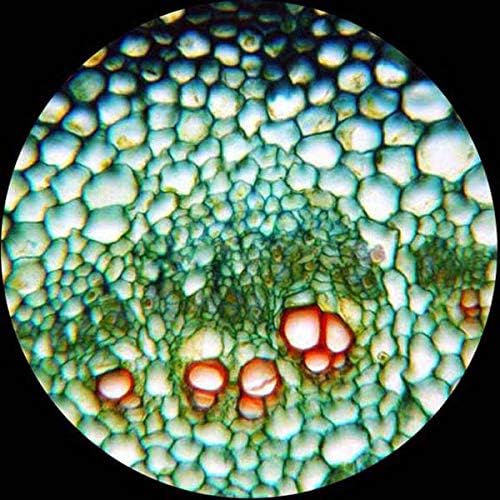
Figure 8: Example of plant cells observed under the microscope.
Maintenance and Care
Proper maintenance ensures the longevity and optimal performance of your microscope.
- Cleaning Optics: Use only specialized lens cleaning paper and lens cleaning solution for objectives and eyepieces. Never touch optical surfaces with bare fingers. Dust can be removed with a soft brush or air blower.
- Cleaning Body: Wipe the microscope body with a soft, damp cloth. Avoid using harsh chemicals or abrasive cleaners.
- Storage: When not in use, cover the microscope with a dust cover to protect it from dust and debris. Store in a dry, cool place away from direct sunlight and extreme temperatures.
- Bulb Recycling: For information on recycling the LED bulb, please refer to local regulations and guidelines for electronic waste.
- Broken Bulb Handling: In the event of a broken bulb, exercise caution. Do not touch broken glass directly. Refer to local guidelines for safe cleanup and disposal of broken lamps.
Troubleshooting
This section addresses common issues you might encounter with your microscope.
| Problem | Possible Cause | Solution |
|---|---|---|
| No illumination | Power cord disconnected; power switch off; intensity knob set to minimum. | Check power connection; turn on power switch; increase intensity. |
| Image blurry or out of focus | Incorrect focus adjustment; objective not fully engaged; slide upside down. | Adjust coarse and fine focus; rotate nosepiece until objective clicks into place; ensure slide cover slip is facing up. |
| Eyepiece does not stay in position | Eyepiece not fully inserted or locking mechanism loose. | Ensure eyepiece is fully seated in the tube. If a locking screw is present, tighten it gently. |
| UK plug provided without adapter | Incorrect regional power plug. | An adapter for your region (e.g., Schuko for EU) should be included. If not, contact customer support. |
Specifications
| Feature | Detail |
|---|---|
| Model | B120C |
| Brand | AmScope |
| Microscope Type | Compound Binocular |
| Eyepieces | WF10X, WF25X Widefield |
| Objectives | 4x, 10x, 40x (S), 100x (S, oil) Achromatic DIN |
| Magnification Range | 40x - 2500x |
| Head | Siedentopf Binocular, 30-degree inclined, 360-degree rotatable |
| Interpupillary Distance | Adjustable |
| Diopter Adjustment | On left eyepiece tube |
| Nosepiece | Revolving, Quadruple |
| Stage | Double-layer Mechanical Stage, Stain-resistant |
| Focusing | Coaxial Coarse and Fine Focus, with tension control and stage stop |
| Illumination | LED Transmitted, Variable Intensity |
| Condenser | NA1.25 Abbe Condenser with Iris Diaphragm and Filters, Rack and Pinion Adjustment |
| Power Supply | 240 Volt AC, Battery Power (Type: Battery Power Supply) |
| Material | Metal |
| Dimensions | 45.6 x 31.6 x 24 cm |
| Weight | 4.46 kg |
Warranty and Support
For warranty information, technical support, or any inquiries regarding your AmScope B120C microscope, please contact the seller, AmScope Global, directly through the platform where the purchase was made. Ensure you have your purchase details and model number (B120C) ready for faster assistance.
You can typically find seller contact information on your order details page or by visiting the AmScope brand store on Amazon.
Related documentsB120C


Ask a question about this manual
Ask about setup, troubleshooting, compatibility, parts, safety, or missing instructions. Manuals+ will review the question and use this page’s manual context to help answer it.