
1. Introduction
This manual provides essential information for the proper use, setup, and maintenance of your Riester 1360-107 precisa N Manual Blood Pressure Monitor. This aneroid sphygmomanometer is designed for accurate blood pressure measurement. Please read these instructions thoroughly before operating the device to ensure correct usage and to maintain its precision and longevity.

Image 1.1: The Riester 1360-107 precisa N Blood Pressure Monitor is supplied with a protective carrying case.
2. Product Components
The Riester 1360-107 precisa N Manual Blood Pressure Monitor consists of the following main components:
- Aneroid Manometer: The gauge displaying blood pressure readings, encased in ABS plastic.
- Adult Velcro Cuff: A single-tube cuff designed for adult arm circumference, featuring a metallic connector for easy exchange.
- Latex Inflation Bulb: Used to inflate the cuff.
- Precision Air Release Valve: Allows for controlled deflation of the cuff, designed for fine adjustment and wear-free operation.
- Ergonomic Spoon Handle: Made of stainless steel for comfortable grip during operation.
- Internal Microfilter: Protects the air release valve and the measurement system from dust and debris.
- Hardened Copper-Beryllium Membrane: A special membrane resistant to overpressures up to 600 mmHg, ensuring long-term accuracy and durability.
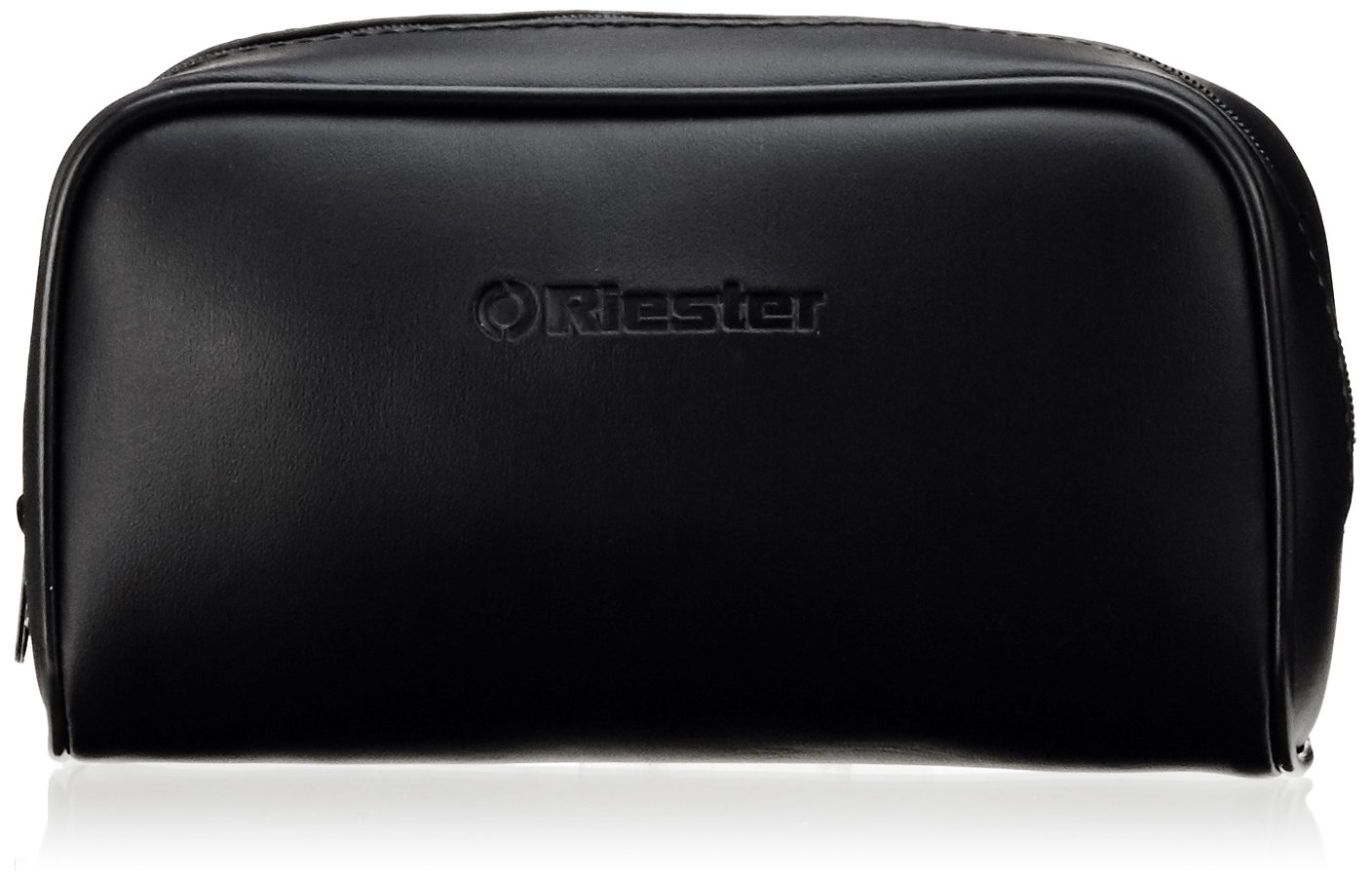
Image 2.1: The Riester 1360-107 precisa N Blood Pressure Monitor showing the manometer, cuff, and inflation bulb.
3. Setup
Before first use, ensure all components are present and undamaged.
- Unpack: Carefully remove the blood pressure monitor and its accessories from the packaging.
- Connect Cuff: Attach the tube from the adult velcro cuff to the metallic connector on the manometer. Ensure a secure connection to prevent air leaks.
- Check Valve: Confirm that the air release valve on the inflation bulb is fully closed by turning it clockwise before beginning any measurement.
4. Operating Instructions
Follow these steps for accurate blood pressure measurement:
- Patient Positioning: The patient should be seated comfortably with their back supported and feet flat on the floor. The arm chosen for measurement should be supported at heart level. Avoid talking or moving during the measurement.
- Cuff Placement: Wrap the cuff snugly around the patient's bare upper arm, approximately 2-3 cm above the elbow. Ensure the artery mark on the cuff (if present) is aligned with the brachial artery. The cuff should be neither too tight nor too loose; two fingers should fit comfortably under the cuff.
- Inflation: Hold the manometer in one hand and the inflation bulb in the other. Rapidly inflate the cuff by squeezing the bulb until the pressure gauge reads approximately 20-30 mmHg above the patient's usual systolic pressure, or until the radial pulse is no longer palpable.
- Deflation and Reading: Slowly open the air release valve by turning it counter-clockwise, allowing the pressure to drop at a rate of 2-3 mmHg per second.
- Systolic Pressure: Note the reading on the manometer when the first clear, tapping sound (Korotkoff sound) is heard through a stethoscope (not included).
- Diastolic Pressure: Continue to deflate the cuff slowly. Note the reading when the sounds disappear completely.
- Complete Deflation: Fully open the air release valve to completely deflate the cuff.
- Repeat Measurement: Wait at least 1-2 minutes before taking another measurement on the same arm. For consistency, it is often recommended to take two or three readings and average them.
5. Maintenance and Care
Proper maintenance ensures the longevity and accuracy of your device.
- Cleaning: The cuff can be wiped clean with a damp cloth and mild detergent. Do not immerse the manometer in water or any cleaning solutions. Clean the manometer casing with a soft, dry cloth.
- Disinfection: If disinfection is required, use a suitable disinfectant wipe on the cuff and manometer casing, following the disinfectant manufacturer's instructions.
- Storage: Store the blood pressure monitor in its provided carrying case when not in use. Keep it in a dry place, away from direct sunlight, extreme temperatures, and humidity.
- Calibration: Regular calibration is crucial for maintaining accuracy. It is recommended to have the device professionally calibrated every 2 years, or more frequently if used extensively. Contact an authorized Riester service center for calibration.
6. Troubleshooting
If you encounter issues with your device, refer to the following common problems and solutions:
- Inaccurate Readings:
- Ensure the cuff is correctly placed and snugly fitted.
- Verify the deflation rate is 2-3 mmHg per second.
- Check for any air leaks in the cuff or tubing connections.
- Ensure the patient is relaxed and correctly positioned.
- Gauge Not Moving During Inflation:
- Confirm the air release valve is fully closed.
- Check all tube connections for tightness.
- Inspect the cuff and inflation bulb for any visible damage or leaks.
- Difficulty Inflating Cuff:
- Check for leaks in the inflation bulb or cuff.
- Ensure the air release valve is fully closed.
If problems persist, contact Riester customer service or your authorized dealer for assistance.
7. Specifications
| Model Number | 1360-107 |
| Measurement Method | Aneroid Sphygmomanometer |
| Manometer Diameter | 63 mm |
| Measurement Range | 0 - 300 mmHg |
| Accuracy | ± 3 mmHg |
| Overpressure Resistance | Up to 600 mmHg |
| Cuff Type | Adult Velcro, 1-tube |
| Casing Material | ABS Plastic |
| Membrane Material | Hardened Copper-Beryllium |
| Inflation Bulb Material | Latex |
| Spoon Handle Material | Stainless Steel |
| Product Weight | 400 g |
| Package Dimensions | 20.8 x 17.6 x 7.4 cm |
| Batteries Required | No |
8. Warranty and Support
For specific warranty information, please refer to the documentation provided with your purchase. Riester products are manufactured to high-quality standards. In case of technical issues, service requirements, or questions not covered in this manual, please contact your authorized Riester dealer or Riester customer service directly. Always ensure that any repairs or servicing are performed by qualified personnel using original spare parts.


