
Introduction
This manual provides essential information for the safe and effective use, installation, and maintenance of the B1401014 OEM Janitrol Furnace Ignitor Igniter. Please read this manual thoroughly before attempting any installation or service to ensure proper operation and to prevent potential hazards.
Safety Information
WARNING: Improper installation, adjustment, alteration, service, or maintenance can cause property damage, injury, or death. Read these instructions thoroughly before installing or servicing this equipment.
- Always disconnect electrical power to the furnace before installing, servicing, or removing the ignitor.
- Turn off the gas supply to the furnace before performing any work.
- Installation and service must be performed by a qualified installer, service agency, or gas supplier.
- Handle the ignitor carefully. The heating element can be fragile. Avoid touching the ceramic part with bare hands as oils can shorten its lifespan.
- Ensure all wiring connections are secure and correct according to the furnace manufacturer's specifications.
- Verify that the replacement ignitor is compatible with your specific furnace model.
Product Overview
The B1401014 OEM Janitrol Furnace Ignitor Igniter is a critical component designed to reliably ignite the gas burner in your furnace. It is an OEM replacement part, ensuring compatibility and performance with Janitrol furnace systems.
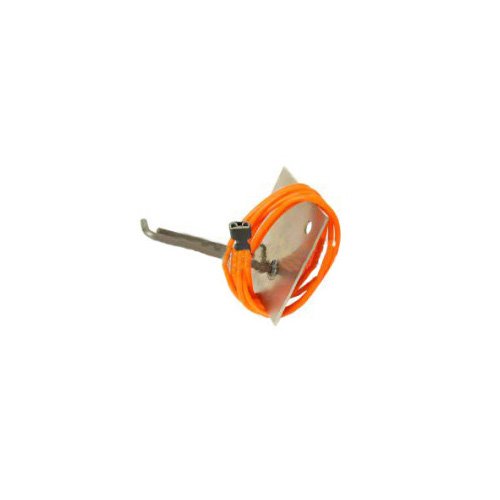
The image displays the B1401014 OEM Janitrol Furnace Ignitor Igniter, featuring a metallic heating element, a ceramic base, and an orange insulated wire harness with a connector.
This ignitor is designed for durability and efficient operation, providing the necessary heat to initiate the combustion process in your furnace's burner assembly.
Setup and Installation
Installation of a furnace ignitor should only be performed by a qualified technician. The following steps are for informational purposes only and do not substitute for professional expertise.
- Prepare for Installation: Ensure the furnace's electrical power supply is disconnected at the circuit breaker or fuse box, and the gas supply valve is closed.
- Access the Ignitor: Locate the furnace's burner assembly and identify the existing ignitor. This may require removing access panels.
- Disconnect Wiring: Carefully disconnect the electrical wiring harness from the old ignitor. Note the orientation and connection points.
- Remove Old Ignitor: Unscrew or unclip the old ignitor from its mounting bracket. Handle it gently as it may be fragile.
- Install New Ignitor: Mount the new B1401014 ignitor into the same position as the old one, ensuring it is securely fastened.
- Connect Wiring: Reconnect the electrical wiring harness to the new ignitor, ensuring a snug and correct fit.
- Restore Power and Gas: Replace any removed access panels. Restore the gas supply and then the electrical power to the furnace.
- Test Operation: Initiate a heating cycle on the thermostat to verify proper ignition and furnace operation. Observe the ignitor for proper glow and flame ignition.
Operating Instructions
The B1401014 ignitor operates automatically as part of your furnace's heating cycle. When the thermostat calls for heat, the furnace control board sends power to the ignitor, causing it to heat up to a high temperature. This hot surface then ignites the gas flowing from the burner. Once the flame is established and detected by the flame sensor, the ignitor typically deactivates until the next heating cycle.
No direct user interaction is required for the ignitor's operation once correctly installed.
Maintenance
Regular maintenance of your furnace system, including the ignitor, is crucial for longevity and efficient operation. It is recommended to have your furnace inspected annually by a qualified HVAC technician.
- Visual Inspection: During annual service, the ignitor should be visually inspected for any signs of cracks, discoloration, or damage to the ceramic or heating element.
- Cleaning: If dust or debris accumulates on the ignitor, it can be gently cleaned with a soft brush or compressed air (with power disconnected). Avoid abrasive materials or harsh chemicals.
- Replacement: Ignitors are wear-and-tear components and will eventually fail. If the ignitor shows signs of damage or fails to glow during a heating cycle, it should be replaced.
Troubleshooting
If your furnace is not igniting, the ignitor may be a potential cause. Always ensure safety precautions are followed before attempting any troubleshooting.
- Furnace Not Igniting:
- No Glow from Ignitor: If the ignitor does not glow red when the thermostat calls for heat, it may be faulty or not receiving power. Check electrical connections.
- Ignitor Glows, but No Flame: This could indicate a gas supply issue, a faulty gas valve, or a problem with the flame sensor.
- Cracked or Damaged Ignitor: Visually inspect the ignitor for any visible cracks or damage to the ceramic or heating element. A damaged ignitor will not function correctly.
- Intermittent Ignition: Loose wiring connections or a partially failing ignitor can cause inconsistent ignition.
For complex issues or if you are unsure about any troubleshooting steps, contact a qualified HVAC technician.
Specifications
| Feature | Detail |
|---|---|
| Model Number | B1401014 |
| Brand | OEM Rplm for Janitrol |
| Manufacturer | Janitrol |
| Product Dimensions | 8 x 6 x 1 inches |
| Item Weight | 5 ounces |
| ASIN | B01BLRIBG0 |
Warranty and Support
Specific warranty information for the B1401014 OEM Janitrol Furnace Ignitor Igniter should be obtained from the original seller or the manufacturer, Janitrol. Please retain your proof of purchase for warranty claims.
For technical support or service, it is recommended to contact a certified HVAC professional or refer to the official Janitrol documentation for your specific furnace model.