
Introduction
This manual provides essential information for the safe and effective installation, operation, and maintenance of the Crydom MPDCD3 Solid State Relay. Please read this manual thoroughly before using the product to ensure proper functionality and to prevent potential hazards.
Important Safety Information
- Electrical Hazard: This device operates with electrical current. Improper installation or handling can result in electric shock, injury, or death. Ensure power is disconnected before installation or maintenance.
- Qualified Personnel: Installation and servicing should only be performed by qualified electrical personnel familiar with local electrical codes and regulations.
- Voltage and Current Ratings: Do not exceed the specified input voltage (32V DC) or output current (3A) ratings. Exceeding these limits can damage the relay and connected equipment.
- Heat Dissipation: Solid state relays generate heat during operation. Ensure adequate ventilation or heat sinking is provided, especially when operating at higher currents, to prevent overheating.
- Proper Wiring: Use appropriate wire gauges for the current levels involved. Ensure all connections are secure and properly insulated.
Product Overview
The Crydom MPDCD3 is a compact 4-Pin Single In-line Package (SIP) Solid State Relay designed for PC Pin PCB mounting. It features a Zero Crossing MOSFET output, making it suitable for switching DC loads. This relay accepts a 32V DC input control signal and can switch a 60V DC output at up to 3 Amperes.
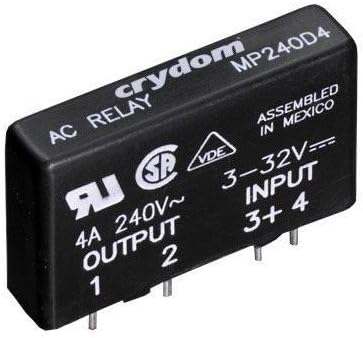
Figure 1: Top view of the Crydom MPDCD3 Solid State Relay. This image shows the compact form factor and pin configuration for PCB mounting.

Figure 2: Side view of the Crydom MPDCD3 Solid State Relay, illustrating its slim profile.
Setup and Installation
1. Mounting
The MPDCD3 is designed for PC Pin PCB mounting. Carefully insert the four pins into the corresponding holes on your printed circuit board. Ensure proper orientation before soldering. The relay's compact SIP package allows for efficient use of board space.
2. Wiring Connections
Refer to the product datasheet for the exact pinout. Generally, solid state relays have two input control pins and two output load pins. Ensure correct polarity for DC input and output connections.
- Input Control: Connect your 32V DC control signal to the designated input pins. Observe polarity.
- Output Load: Connect the DC load (up to 60V DC, 3A) to the designated output pins. Ensure the load is within the relay's current and voltage ratings.
- Heat Management: For applications where the relay will operate at or near its maximum current rating (3A), consider implementing heat sinking solutions on the PCB to dissipate heat and maintain optimal performance and lifespan.
3. Pre-Operation Check
Before applying full power, perform a continuity check on your wiring. Verify that all connections are secure and that there are no short circuits. Double-check input and output voltage polarities.
Operating Instructions
The Crydom MPDCD3 Solid State Relay operates by switching a DC load when a DC control signal is applied to its input. As a Zero Crossing MOSFET relay, it is designed for efficient switching of DC circuits.
- Applying Input Signal: When a 32V DC control signal is applied to the input terminals, the relay will switch its output to allow current flow to the connected DC load.
- Removing Input Signal: When the 32V DC control signal is removed from the input terminals, the relay will switch off, interrupting current flow to the DC load.
- Load Characteristics: Ensure the connected load is purely DC or has appropriate filtering if it contains AC components, as this relay is optimized for DC switching.
Maintenance
Solid State Relays like the Crydom MPDCD3 are generally maintenance-free due to their lack of moving parts. However, periodic checks can help ensure long-term reliability:
- Visual Inspection: Periodically inspect the relay and its connections for any signs of physical damage, discoloration (indicating overheating), or loose wiring.
- Environmental Conditions: Ensure the operating environment remains within the specified temperature and humidity ranges to prevent premature failure.
- Dust and Debris: Keep the relay and surrounding PCB free from excessive dust and debris, which can impede heat dissipation.
Troubleshooting
If the Crydom MPDCD3 Solid State Relay is not functioning as expected, consider the following troubleshooting steps:
- No Output When Input is Applied:
- Verify the input control voltage is 32V DC and correctly polarized.
- Check the load connections and ensure the load itself is functional.
- Confirm the output voltage and current are within the relay's specifications (60V DC, 3A).
- Inspect for any open circuits in the load path.
- Relay Remains ON/OFF Continuously:
- Ensure the input control signal is correctly switching on and off.
- Check for any short circuits across the input or output terminals.
- If the relay is stuck ON, it might indicate an internal failure or a shorted load.
- Overheating:
- Verify the load current does not exceed 3 Amperes.
- Ensure adequate heat dissipation is provided (e.g., proper PCB layout, ambient temperature).
- Check for any abnormal load conditions that might cause excessive current draw.
If issues persist after troubleshooting, contact Crydom technical support or a qualified technician.
Specifications
| Feature | Detail |
|---|---|
| Model Number | MPDCD3 |
| Brand | Crydom |
| Input Control Voltage | 32V DC |
| Output Voltage | 60V DC |
| Maximum Switching Current | 3 Amps |
| Contact Current Rating | 3 Amps |
| Output Type | Zero Crossing MOSFET |
| Mounting Type | PC Pin PCB Mount (4-Pin SIP) |
| Product Dimensions | 1.7 x 1 x 0.4 inches |
| Manufacturer | Crydom |
| ASIN | B017UU11XW |
| Date First Available | May 22, 2023 |
Warranty and Support
Specific warranty details for the Crydom MPDCD3 Solid State Relay are not provided within this document. For information regarding product warranty, technical support, or service, please contact Crydom directly through their official website or authorized distributors.
Crydom Official Website: www.crydom.com