
KAWADA NBH-108
Kawada NanoBlock - NBH-108 - Inari Shrine Micro Block Sights to See Puzzle
Model: NBH-108 | Brand: KAWADA
Introduction
Welcome to the world of Nanoblock! This manual provides detailed instructions for assembling your Kawada NanoBlock NBH-108 Inari Shrine Micro Block Sights to See Puzzle. Nanoblock is a line of construction toys known for their micro-sized bricks, allowing for intricate and detailed models. This set allows you to recreate the iconic Inari Shrine, a famous landmark.

Figure 1: Fully assembled Inari Shrine model.
Safety Information
Please read and understand all safety information before beginning assembly. This product contains small parts which may pose a choking hazard. Keep out of reach of children under 3 years of age. Adult supervision is recommended during assembly, especially for younger builders.
- Choking Hazard: Small parts. Not for children under 3 years.
- Handling: Handle small blocks with care to avoid loss.
- Storage: Store unused blocks in a secure container to prevent misplacement.
Package Contents
Verify that all components are present before starting assembly. Your Kawada NanoBlock NBH-108 package should contain the following:
- Approximately 530 micro-sized building blocks (various colors and shapes)
- One (1) instruction manual with detailed assembly steps
- One (1) baseplate (typically green)

Figure 2: Product packaging, indicating the number of pieces and the final model.
Assembly Instructions
Follow the steps below carefully to assemble your Inari Shrine model. Refer to the included printed instructions for detailed diagrams. It is recommended to sort blocks by color and shape before beginning.
- Prepare the Base: Begin by laying out the green baseplate. This will be the foundation for your shrine.
- Construct the Pathway and First Torii Gate:
Assemble the white and light grey blocks to form the central pathway leading to the shrine. Then, construct the first large red torii gate at the entrance of the pathway using red and black blocks. Ensure it is securely attached to the baseplate.

Figure 3: Detail of the pathway and first torii gate.
- Build the Foliage: Use various shades of green blocks to create the surrounding trees and bushes. Place them strategically around the pathway and future shrine location to mimic natural landscaping.
- Assemble the Red Torii Gate Tunnel:
Proceed to build the series of smaller red torii gates that form the iconic tunnel leading up the hill. These will be stacked vertically, creating a sense of depth and perspective. Pay close attention to the alignment of each gate.
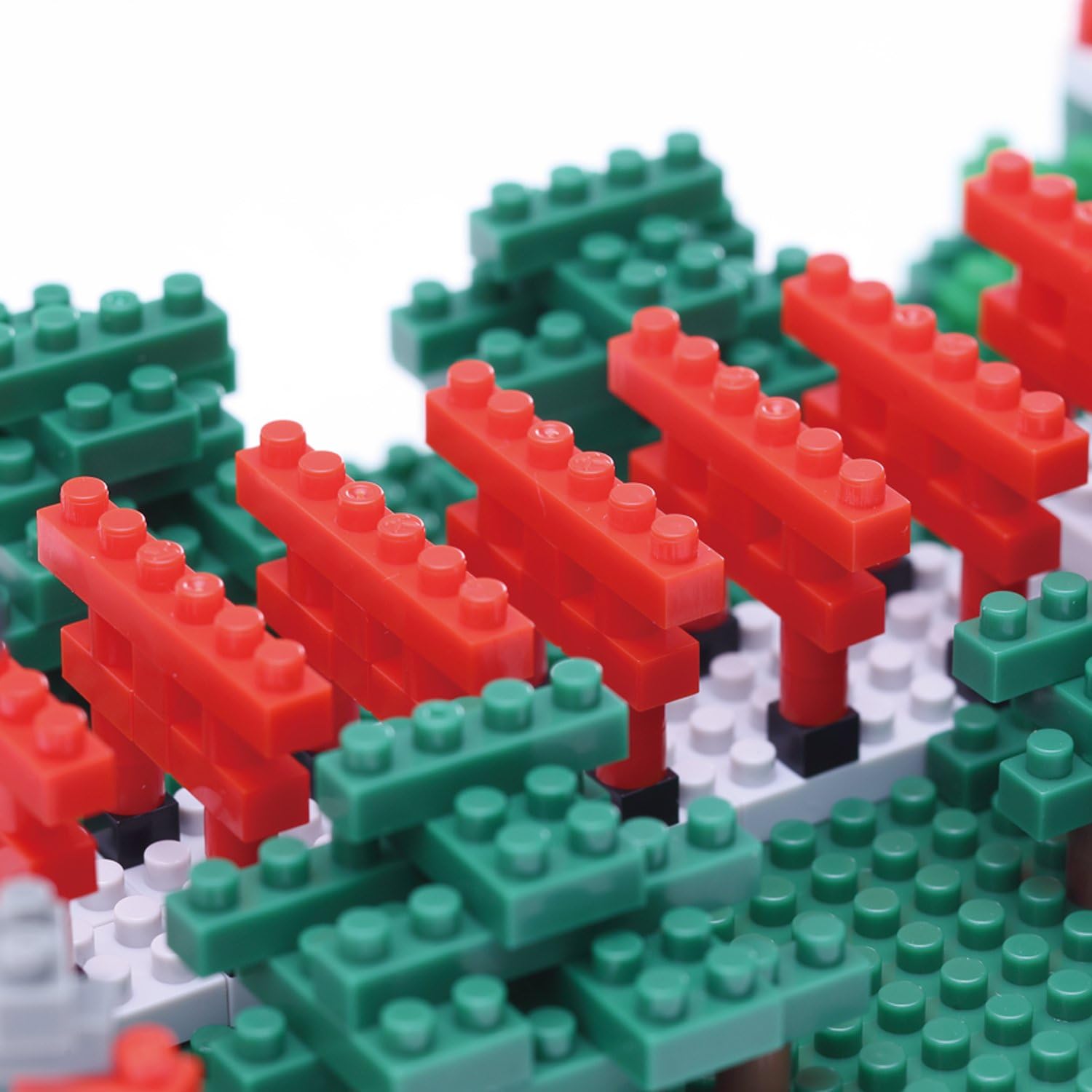
Figure 4: Construction of the red torii gate tunnel.
- Construct the Main Shrine Building:
Build the main shrine structure using red, grey, and yellow blocks. This involves creating the walls, roof, and intricate details of the shrine. Ensure all connections are firm.

Figure 5: Front view of the completed shrine building and entrance.
- Add Details and Finishing Touches: Place any remaining small detail blocks, such as the stone lanterns or additional foliage, as indicated in the manual. Double-check all connections to ensure the model is stable.
Maintenance
To ensure the longevity and appearance of your NanoBlock model, follow these simple maintenance guidelines:
- Cleaning: Gently dust the model with a soft brush or a can of compressed air. For stubborn dirt, a slightly damp cloth can be used, but avoid excessive moisture.
- Storage: Display the model in a stable location away from direct sunlight, extreme temperatures, and high humidity to prevent discoloration or warping of the plastic.
- Handling: When moving the model, support it from the base to prevent parts from detaching.
Troubleshooting
| Problem | Possible Cause | Solution |
|---|---|---|
| Missing pieces | Blocks may be very small and easily overlooked or misplaced. | Carefully check the packaging and surrounding area. If truly missing, contact Kawada customer support. |
| Blocks not connecting securely | Incorrect block orientation or insufficient pressure. | Ensure blocks are aligned correctly and apply firm, even pressure until they click into place. |
| Model is unstable | Some sections may not be fully connected or an assembly step was missed. | Review previous assembly steps and diagrams to ensure all blocks are properly interlocked. |
Specifications
- Product Name: Kawada NanoBlock - Inari Shrine Micro Block Sights to See Puzzle
- Model Number: NBH-108
- Brand: KAWADA
- Number of Pieces: Approximately 530
- Product Dimensions: 5.5 x 2 x 8 inches (assembled, approximate)
- Item Weight: 5.3 ounces
- Recommended Age: 13 - 15 years (Manufacturer recommended)
- Material: ABS Plastic
Warranty and Support
Kawada Co. Ltd. stands behind the quality of its products. For information regarding product warranty, missing parts, or technical support, please refer to the contact information provided on the product packaging or visit the official Kawada website. Please retain your proof of purchase for any warranty claims.
For general inquiries or to find more Nanoblock products, visit: Kawada Nanoblock Official Website
Ask a question about this manual
Ask about setup, troubleshooting, compatibility, parts, safety, or missing instructions. Manuals+ will review the question and use this page’s manual context to help answer it.