
Introduction
The Argus Argoflex Seventy-Five (75) is a classic Twin Lens Reflex (TLR) camera designed for use with 620 roll film. Introduced in the 1950s, this camera offers a straightforward approach to photography, making it suitable for both beginners and enthusiasts of vintage cameras. This manual provides essential information for the proper use and care of your Argoflex Seventy-Five camera.
Safety Information
- Handle the camera with care to prevent damage to optical and mechanical components.
- Avoid exposing the camera to extreme temperatures, high humidity, or direct sunlight for extended periods.
- Keep the camera away from dust and sand, which can scratch lenses and interfere with moving parts.
- Do not attempt to force any camera parts. If a component feels stiff, consult a professional for inspection.
- Store the camera in a dry, cool place when not in use.
Camera Components Overview
Familiarize yourself with the main parts of your Argoflex Seventy-Five camera.
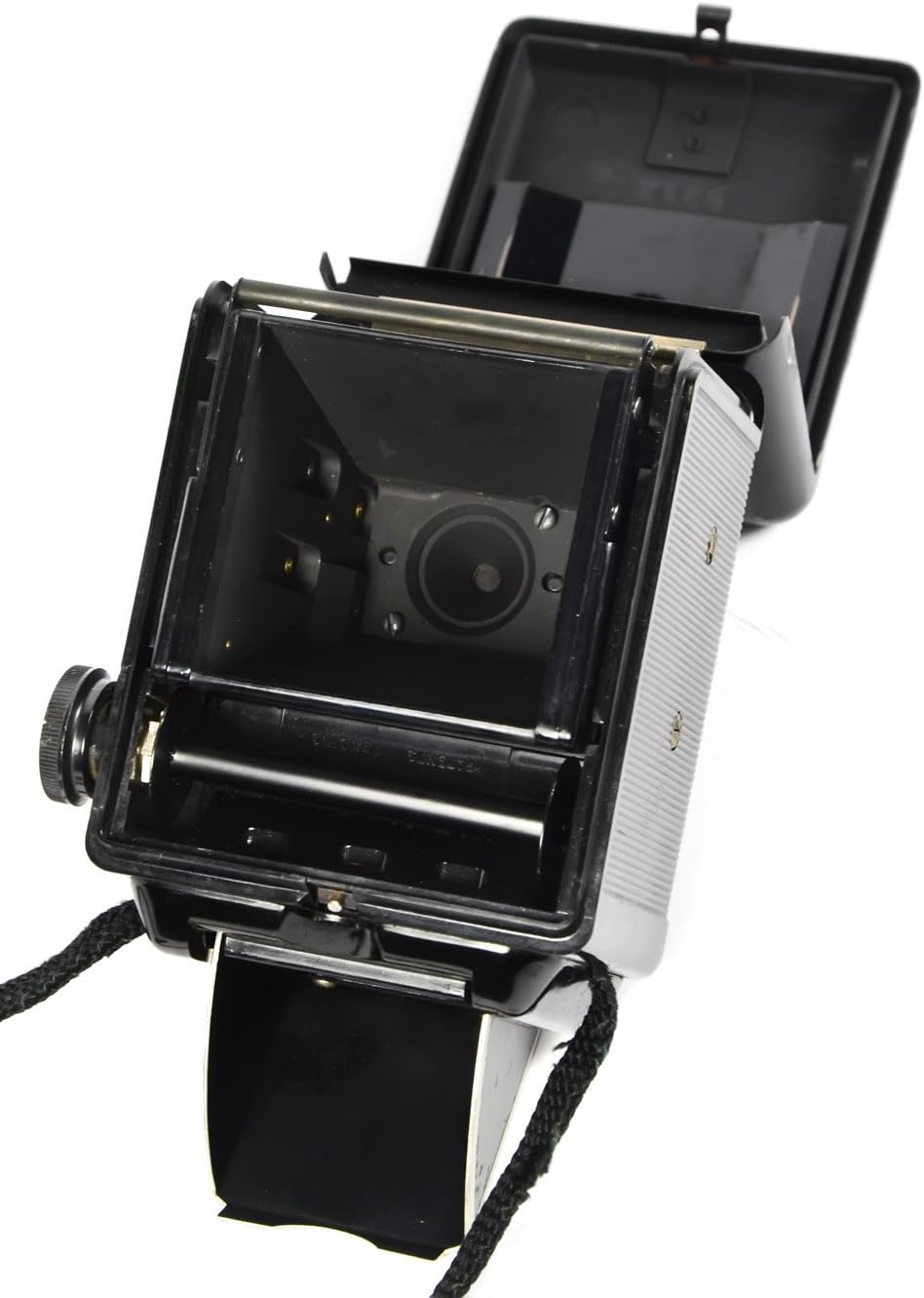
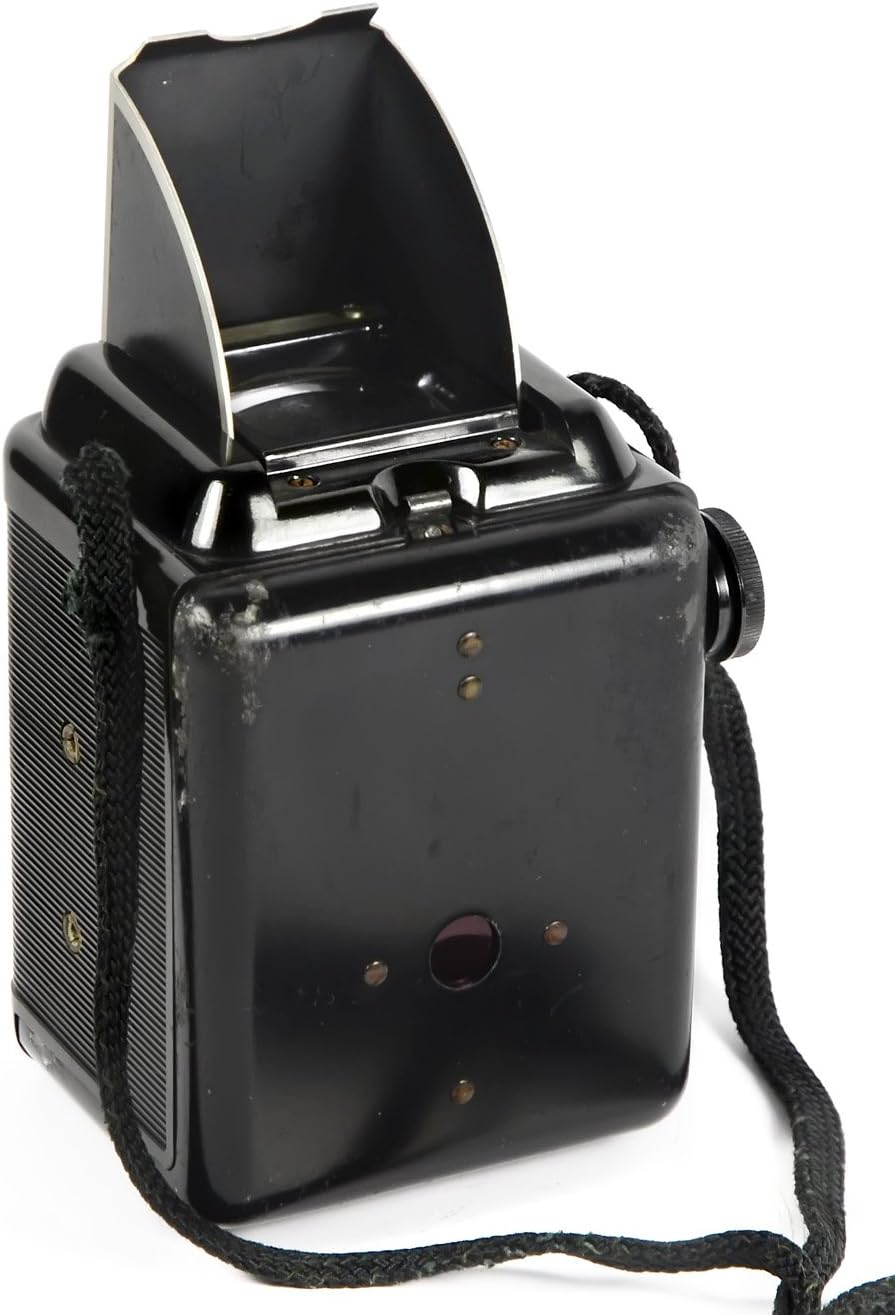
- Viewing Lens: The upper lens, used for composing and focusing (if applicable).
- Taking Lens: The lower lens, which captures the image onto the film.
- Waist-Level Viewfinder: The collapsible hood on top, used to view the image projected by the viewing lens.
- Shutter Release: Button or lever to activate the shutter.
- Film Winding Knob: Used to advance the film to the next frame after each exposure.
- Red Window: A small red-filtered window on the back to see the frame numbers on the film's backing paper.
- Back Latch: Mechanism to open and close the camera back for film loading.
Setup: Loading Film
The Argoflex Seventy-Five uses 620 roll film. Ensure you have the correct film type before proceeding.
- Open the Camera Back: Locate the back latch (usually on the side or bottom) and open the camera back.
- Insert Empty Spool: Place an empty 620 take-up spool into the upper film chamber. Ensure it is seated correctly.
- Insert New Film Roll: Place the new roll of 620 film into the lower film chamber.
- Thread the Film: Pull the leader paper from the new film roll and insert its end into the slot of the empty take-up spool in the upper chamber. Turn the film winding knob slightly to ensure the leader paper is securely attached and winding straight.
- Close the Camera Back: Carefully close the camera back and ensure the latch clicks securely into place.
- Advance to First Frame: Turn the film winding knob while watching the red window on the camera's back. Continue winding until the number '1' appears centered in the red window. Your camera is now ready for the first exposure.

Operating the Camera: Taking Pictures
The Argoflex Seventy-Five features a simple exposure system, often with fixed focus or basic zone focusing.
- Open the Viewfinder: Lift the waist-level viewfinder hood until it locks into place.
- Compose Your Shot: Look down into the viewfinder screen. The image will appear reversed left-to-right. Frame your subject as desired.
- Set Exposure (if applicable): Some models may have simple aperture or shutter speed settings. Consult any markings on the lens barrel for available options (e.g., 'Bright', 'Dull', 'Cloudy' for aperture, or 'I' for Instant, 'B' for Bulb for shutter). The camera often features a basic 'automatic' exposure control, meaning it has a simplified, fixed setting for general conditions.
- Focus (if applicable): Many Argoflex 75 models are fixed focus, meaning everything from a certain distance (e.g., 8 feet) to infinity is in acceptable focus. Some versions might have a simple zone focus mechanism (e.g., 'Near', 'Medium', 'Far'). Adjust if your model has this feature.
- Release the Shutter: Gently press the shutter release button or lever. Avoid jarring the camera during exposure.
- Advance the Film: After taking a picture, turn the film winding knob until the next frame number appears in the red window. It is crucial to advance the film immediately after each shot to prevent double exposures.
- Close the Viewfinder: When finished shooting or for storage, fold down the viewfinder hood.
Maintenance
- Cleaning Lenses: Use a soft, lint-free cloth or a specialized lens cleaning brush to gently remove dust from the lenses. For smudges, use a small amount of lens cleaning fluid on a lens tissue. Avoid touching the lens surfaces with your fingers.
- Cleaning Body: Wipe the camera body with a soft, slightly damp cloth. Do not use harsh chemicals or abrasive cleaners.
- Storage: Store the camera in its case or a protective bag in a cool, dry environment. If storing for an extended period, remove any film to prevent adhesion or damage.
- Avoid Moisture: Protect the camera from rain, splashes, and high humidity, which can cause corrosion and mold growth.
Troubleshooting
- Film Not Advancing: Ensure the film leader is properly attached to the take-up spool and the spool is seated correctly. Check for any obstructions in the film path.
- Shutter Not Firing: Check if the shutter release mechanism is obstructed or if the camera has been dropped. For mechanical issues, professional repair may be required.
- Blurry Photos: For fixed-focus cameras, ensure your subject is within the recommended distance range. For zone-focus models, verify the focus setting matches your subject's distance. Ensure the camera is held steady during exposure.
- Light Leaks: Inspect the camera back and seals for any gaps or damage. Light leaks often appear as streaks or fogging on developed film.
Specifications
- Model: Argoflex Seventy-Five (75)
- Film Format: 620 Roll Film
- Lens: Argus Lunar 75mm (typical)
- Shutter Type: Leaf Shutter
- Shutter Speeds: Instant (approx. 1/50 sec) and Bulb (B)
- Aperture: Fixed or simple settings (e.g., f/11, f/16)
- Focus: Fixed focus or simple zone focus
- Viewfinder: Waist-level Twin Lens Reflex (TLR)
- Weight: Approximately 8 Pounds (3.6 kg)
Warranty and Support
As a vintage camera, the Argus Argoflex Seventy-Five (75) typically does not come with a manufacturer's warranty. For any issues or questions regarding your specific camera, please contact the seller or a qualified vintage camera repair specialist. Always handle vintage equipment with care.