
Introduction
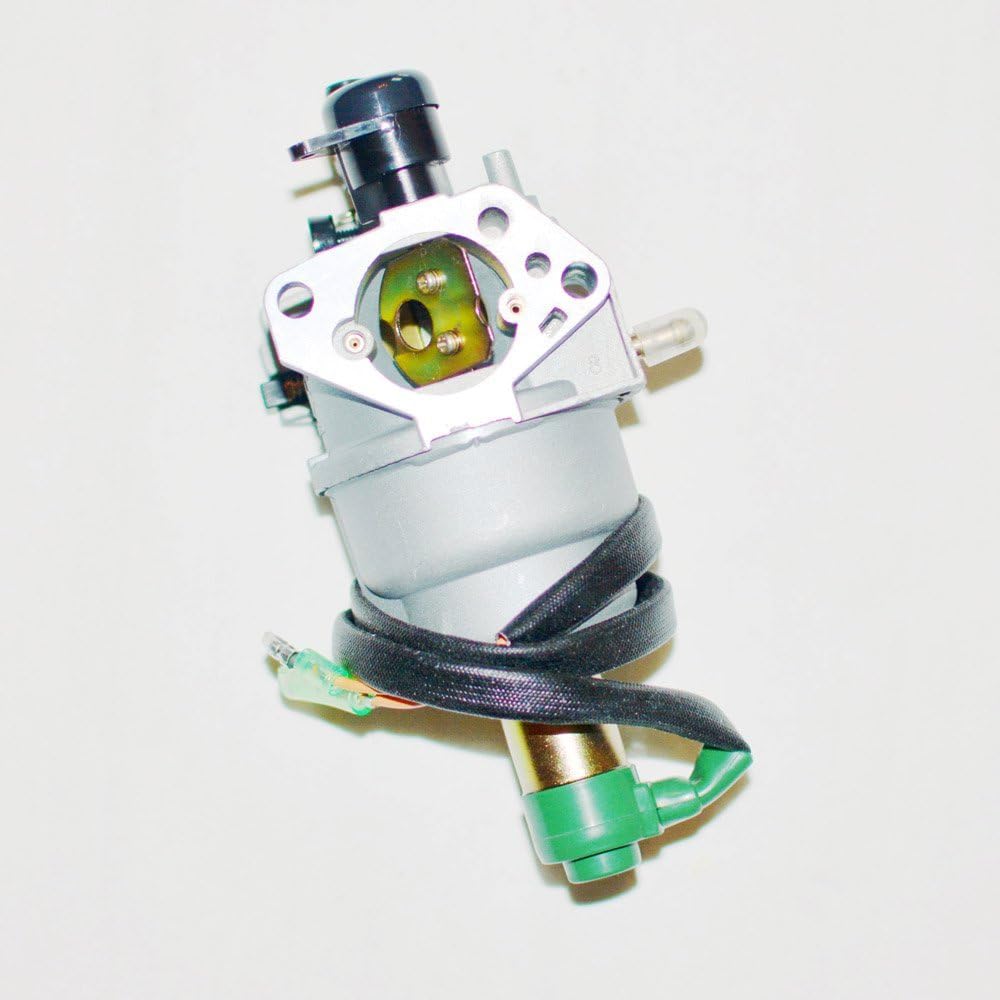
This manual provides essential information for the safe and effective installation, operation, and maintenance of your new 1UQ carburetor. This carburetor is designed as a replacement part for specific Tahoe Power generator models, including the TP9000LXU, TPI9000LXU (420CC, 14HP, 9000 Watts) and TP8000LXU, TPI8000LXU (389CC, 13HP, 8000 Watts). Please read all instructions carefully before proceeding with installation or use.
Safety Information
Always prioritize safety when working with fuel systems and power equipment. Failure to follow safety instructions can result in serious injury or property damage.
- Ensure the generator is turned off, cooled down, and disconnected from any power source before beginning any work.
- Disconnect the spark plug wire to prevent accidental starting.
- Work in a well-ventilated area to avoid inhaling fuel fumes.
- Wear appropriate personal protective equipment, including gloves and eye protection.
- Handle gasoline with extreme care. It is highly flammable.
- Keep fire extinguishers readily available.
- If you are unsure about any step, consult a qualified technician.
Product Overview
The 1UQ carburetor is a precision-engineered component responsible for mixing air and fuel in the correct ratio for your generator's engine. This replacement unit is designed to restore optimal engine performance.



Installation
This section outlines the general steps for replacing a carburetor. Specific generator models may have slight variations.
- Preparation: Ensure the generator is off, cool, and the fuel valve is closed. Disconnect the spark plug wire. Place absorbent rags under the carburetor area to catch any spilled fuel.
- Drain Fuel: If possible, drain the fuel tank or ensure it is nearly empty to minimize spills.
- Remove Air Filter Assembly: Carefully remove the air filter housing and any associated ducting to gain access to the carburetor.
- Disconnect Fuel Line: Pinch off the fuel line or use a clamp, then disconnect it from the carburetor. Be prepared for a small amount of fuel to leak.
- Disconnect Linkages and Wires: Carefully detach the throttle linkage, choke linkage, and any electrical connections (e.g., fuel shut-off solenoid) from the old carburetor. Note their positions for reassembly.
- Remove Mounting Bolts: Unscrew the bolts or nuts that secure the carburetor to the engine's intake manifold.
- Remove Old Carburetor: Gently pull the old carburetor away from the engine. Remove and inspect the old gaskets.
- Install New Gaskets: Place new gaskets (often included with the replacement carburetor) on the intake manifold and air filter side, ensuring they are correctly oriented.
- Mount New Carburetor: Position the new 1UQ carburetor onto the mounting studs/bolts, ensuring it seats properly with the gaskets. Secure it with the mounting bolts/nuts, tightening them evenly.
- Reconnect Linkages and Wires: Reattach the throttle and choke linkages, and any electrical connections, ensuring they move freely and are correctly seated.
- Reconnect Fuel Line: Connect the fuel line to the new carburetor and remove any clamps or open the fuel valve. Check for leaks.
- Reinstall Air Filter Assembly: Reattach the air filter housing and any other components removed earlier.
- Final Checks: Double-check all connections, ensure no tools are left in the engine area, and reconnect the spark plug wire.
Operating
After successful installation of the 1UQ carburetor, follow your generator's specific operating instructions for starting and running the engine. Ensure the fuel valve is open and the choke is set appropriately for starting. Allow the engine to warm up before applying a load.
Maintenance
Regular maintenance of your carburetor and fuel system is crucial for reliable generator performance.
- Fuel Quality: Always use fresh, clean gasoline. Stale or contaminated fuel is a primary cause of carburetor issues. Consider using a fuel stabilizer if the generator will be stored for extended periods.
- Fuel Filter: Regularly inspect and replace the in-line fuel filter (if present) to prevent debris from reaching the carburetor.
- Cleaning: If the carburetor becomes clogged, it may require cleaning. This typically involves disassembling the carburetor, cleaning jets and passages with carburetor cleaner, and replacing gaskets. This procedure should only be performed by individuals with mechanical experience.
- Storage: Before long-term storage, run the generator until the fuel tank is empty, or drain the fuel from the tank and carburetor bowl to prevent fuel degradation and gumming.
Troubleshooting
If your generator experiences issues after carburetor installation, consider the following common troubleshooting steps:
| Symptom | Possible Cause | Solution |
|---|---|---|
| Engine won't start | No fuel, clogged fuel line/filter, incorrect choke setting, spark plug issue, fuel shut-off solenoid not working. | Check fuel level, open fuel valve, inspect fuel line/filter, adjust choke, check spark plug, verify solenoid connection. |
| Engine runs rough/surges | Dirty carburetor jets, stale fuel, air leak at carburetor gasket, incorrect idle adjustment. | Clean carburetor, use fresh fuel, check/replace gaskets, adjust idle screw (if applicable). |
| Fuel leaks from carburetor | Loose fuel line connection, damaged float bowl gasket, stuck float needle. | Tighten fuel line, replace float bowl gasket, clean/inspect float and needle valve. |
| Lack of power | Clogged air filter, dirty carburetor, incorrect fuel mixture. | Clean/replace air filter, clean carburetor, ensure proper fuel flow. |
If these steps do not resolve the issue, professional service may be required.
Specifications
- Brand: 1UQ
- Product Type: Replacement Carburetor Kit
- Fuel Type: Gasoline
- Compatible Generator Models:
- Tahoe Power TP9000LXU, TPI9000LXU (420CC, 14HP, 9000 Watts)
- Tahoe Power TP8000LXU, TPI8000LXU (389CC, 13HP, 8000 Watts)
Warranty and Support
For information regarding warranty coverage or technical support for your 1UQ carburetor, please refer to the documentation provided with your purchase or contact the seller directly. Keep your purchase receipt as proof of purchase.