
1. Introduction
This manual provides essential information for the proper installation, operation, and maintenance of your 1UQ Manual Choke Carburetor. This carburetor is designed as a replacement part for Hoteche GT10000E and other gasoline engines with 414CC, 13HP, 14HP, 15HP, or 16HP specifications, commonly found in generators, water pumps, pressure washers, air compressors, tillers, cultivators, and log splitters. Please read these instructions thoroughly before proceeding with installation or use to ensure safe and effective performance.
2. Product Overview
The 1UQ Manual Choke Carburetor is a high-quality replacement component engineered to restore optimal fuel-air mixture delivery to your engine. It includes the carburetor unit and necessary gaskets for installation.

Figure 2.1: The 1UQ Manual Choke Carburetor kit, including the main carburetor unit, three different gaskets, and a fuel line with clamps. This image provides a comprehensive view of all components supplied for installation.

Figure 2.2: A side view of the 1UQ Manual Choke Carburetor, highlighting the manual choke lever and electrical connections. This perspective shows the compact design and key operational parts.
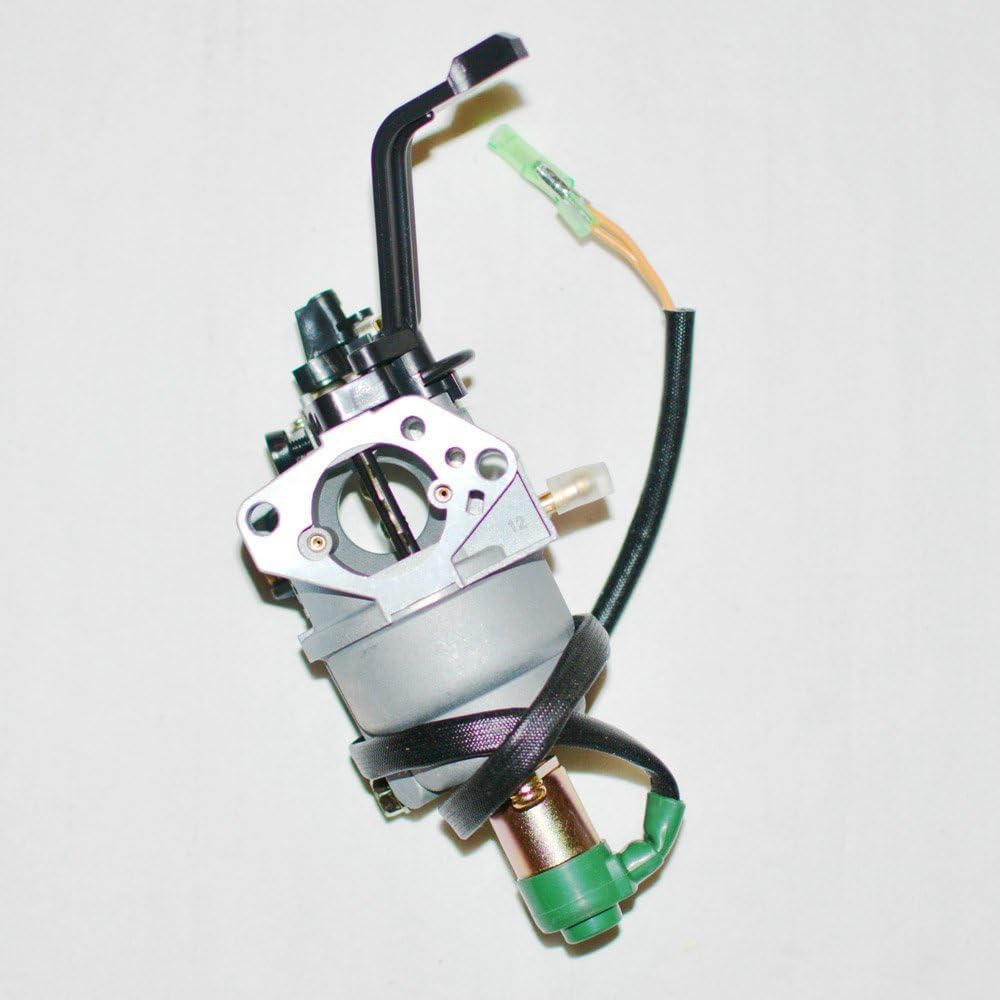
Figure 2.3: A front view of the 1UQ Manual Choke Carburetor, showing the air intake opening and throttle plate. This view is important for understanding the air flow path.

Figure 2.4: A rear view of the 1UQ Manual Choke Carburetor, displaying the fuel inlet and mounting points. This angle is crucial for proper fuel line connection and secure installation.
3. Setup and Installation
Safety First: Before beginning any installation, ensure the engine is turned off, cooled down, and the spark plug wire is disconnected to prevent accidental starting. Wear appropriate safety gear, including gloves and eye protection.
3.1 Compatibility Check
- Verify that your engine is a Hoteche GT10000E or another 414CC gasoline engine with 13HP, 14HP, 15HP, or 16HP.
- Confirm that the physical appearance and mounting points of the new carburetor match your existing unit.
3.2 Installation Steps
- Drain Fuel: Disconnect the fuel line from the old carburetor and drain any remaining fuel from the fuel tank into an approved container.
- Remove Air Filter Assembly: Carefully remove the air filter housing and any associated ducting to gain access to the carburetor.
- Disconnect Linkages: Disconnect the throttle and choke linkages from the old carburetor. Note their positions for correct reassembly.
- Remove Old Carburetor: Unbolt the old carburetor from the engine manifold. Remove and discard the old gaskets.
- Install New Gaskets: Place the new gaskets provided with the 1UQ carburetor onto the engine manifold and then onto the carburetor mounting surface. Ensure they are correctly aligned.
- Mount New Carburetor: Position the new 1UQ carburetor onto the engine manifold, aligning it with the mounting bolts. Secure it firmly but do not overtighten the bolts.
- Reconnect Linkages: Reattach the throttle and choke linkages to the new carburetor. Ensure smooth operation of both the throttle and choke levers.
- Reconnect Fuel Line: Connect the fuel line to the fuel inlet on the new carburetor. Secure it with a clamp if necessary to prevent leaks.
- Reinstall Air Filter Assembly: Reattach the air filter housing and any other components removed earlier.
- Refill Fuel: Refill the fuel tank with fresh, appropriate fuel for your engine.
After installation, visually inspect all connections for security and check for any fuel leaks before attempting to start the engine.
4. Operating Instructions
The carburetor's primary function is to mix fuel and air. Proper operation involves understanding the choke mechanism for starting.
4.1 Engine Starting Procedure (Cold Engine)
- Fuel Valve: Ensure the fuel valve is in the 'ON' position.
- Choke: Move the manual choke lever to the 'CLOSED' or 'FULL CHOKE' position. This restricts airflow, enriching the fuel mixture for easier cold starts.
- Throttle: Set the throttle to the 'START' or 'FAST' position, as recommended by your engine's manufacturer.
- Start Engine: Pull the recoil starter cord or engage the electric starter until the engine fires.
- Open Choke: As soon as the engine starts and runs smoothly, gradually move the choke lever to the 'OPEN' or 'RUN' position. Do not leave the choke on longer than necessary, as this can cause rough running and carbon buildup.
4.2 Engine Starting Procedure (Warm Engine)
For a warm engine, the choke may not be necessary. Attempt to start the engine with the choke in the 'OPEN' or 'RUN' position. If the engine struggles to start, briefly use the choke as described for a cold engine, then immediately return it to the 'OPEN' position once the engine runs.
5. Maintenance
Regular maintenance ensures the longevity and optimal performance of your carburetor and engine.
- Fuel Quality: Always use fresh, clean, and appropriate fuel for your engine. Stale or contaminated fuel is a common cause of carburetor issues. Consider using a fuel stabilizer if the engine will be stored for extended periods.
- Fuel Filter: Regularly inspect and replace the in-line fuel filter (if present) to prevent debris from reaching the carburetor.
- Air Filter: Ensure the air filter is clean and properly installed. A dirty air filter restricts airflow, leading to a rich fuel mixture and poor engine performance.
- Carburetor Cleaning: If performance issues arise due to fuel contamination, the carburetor may need cleaning. This typically involves disassembling the carburetor, cleaning jets and passages with carburetor cleaner, and replacing gaskets. This procedure should only be performed by individuals with appropriate mechanical knowledge.
- Linkage Inspection: Periodically check the throttle and choke linkages for proper movement and ensure they are not binding or loose.
6. Troubleshooting
This section addresses common issues that may arise with carburetor operation.
| Symptom | Possible Cause | Solution |
|---|---|---|
| Engine will not start | No fuel, stale fuel, clogged fuel filter, clogged carburetor jet, incorrect choke position. | Check fuel level and quality. Replace fuel filter. Clean carburetor. Adjust choke. |
| Engine runs rough or stalls | Dirty air filter, clogged carburetor jet, incorrect idle adjustment, fuel contamination. | Clean/replace air filter. Clean carburetor. Adjust idle speed (refer to engine manual). Use fresh fuel. |
| Engine lacks power | Dirty air filter, partially clogged carburetor, incorrect throttle linkage adjustment. | Clean/replace air filter. Clean carburetor. Check throttle linkage for full travel. |
| Fuel leaks from carburetor | Loose fuel line, damaged gasket, stuck float needle. | Tighten fuel line. Replace gaskets. Clean float bowl and needle valve. |
If troubleshooting steps do not resolve the issue, it is recommended to consult a qualified service technician.
7. Specifications
- Product Type: Manual Choke Carburetor
- Brand: 1UQ
- Compatibility: Hoteche GT10000E and other 414CC 13HP/14HP/15HP/16HP Gasoline Engines
- Included Components: Carburetor unit, 3 gaskets
- Application: Generators, Water Pumps, Pressure Washers, Air Compressors, Tillers, Cultivators, Log Splitters
8. Warranty and Support
For specific warranty information regarding your 1UQ Manual Choke Carburetor, please refer to the documentation provided at the time of purchase or contact your retailer. For technical support or further assistance, please reach out to the product seller or manufacturer.