
1. Product Overview
The Simpson Strong-Tie H10A Hurricane Tie is an 18-gauge galvanized steel connector designed to provide robust support for joists, rafters, or beams. It forms a critical part of a continuous load path, essential for resisting wind and seismic forces on structural framing. This tie is specifically engineered for the Hurricane Tie series, offering various configurations suitable for trusses and rafters.
Key features include:
- Forms part of a continuous load path to resist wind and seismic forces.
- Seat width of 1-9/16 inches.
- Constructed from durable 18-gauge steel.
- Galvanized (G90) coating for enhanced corrosion resistance.

Figure 1.1: The Simpson Strong-Tie H10A Hurricane Tie, a galvanized steel connector designed for structural framing.
2. Technical Specifications
| Specification | Detail |
|---|---|
| Model Number | H10A |
| Material | 18-Gauge Steel |
| Finish Type | Galvanized (G90) |
| Color | Gray |
| Product Dimensions (L x W x H) | 8 x 11.5 x 20.63 inches |
| Item Weight | 0.01 ounces (per tie) |
| Seat Width | 1-9/16 inches |
| Mounting Type | Wall Mount (for connection to vertical members) |

Figure 2.1: Dimensional drawing of the H10A Hurricane Tie, showing key measurements for installation planning.
3. Installation Instructions
The H10A Hurricane Tie is designed for easy and secure installation to connect trusses or rafters to wall plates or other structural members. Proper installation is crucial for the tie to perform its intended function of resisting uplift and lateral forces.
3.1 Required Fasteners
Install with 10d x 1-1/2 inch nails. Ensure nails are driven fully and flush with the tie's surface without overdriving.
3.2 Installation Steps
- Positioning: Place the H10A Hurricane Tie on the side of the joist, rafter, or beam, ensuring the seat of the tie provides full support underneath the member. The tie should be flush against both the supported member and the supporting member (e.g., wall plate or stud).
- Fastening to Supported Member: Secure the tie to the joist/rafter using the specified 10d x 1-1/2 inch nails through all designated nail holes on the side flanges.
- Fastening to Supporting Member: Secure the tie to the supporting wall plate or beam using the specified 10d x 1-1/2 inch nails through all designated nail holes on the base plate.
- Verify Connection: Ensure all fasteners are properly installed and the tie is securely connected to both structural members, providing a strong and continuous load path.
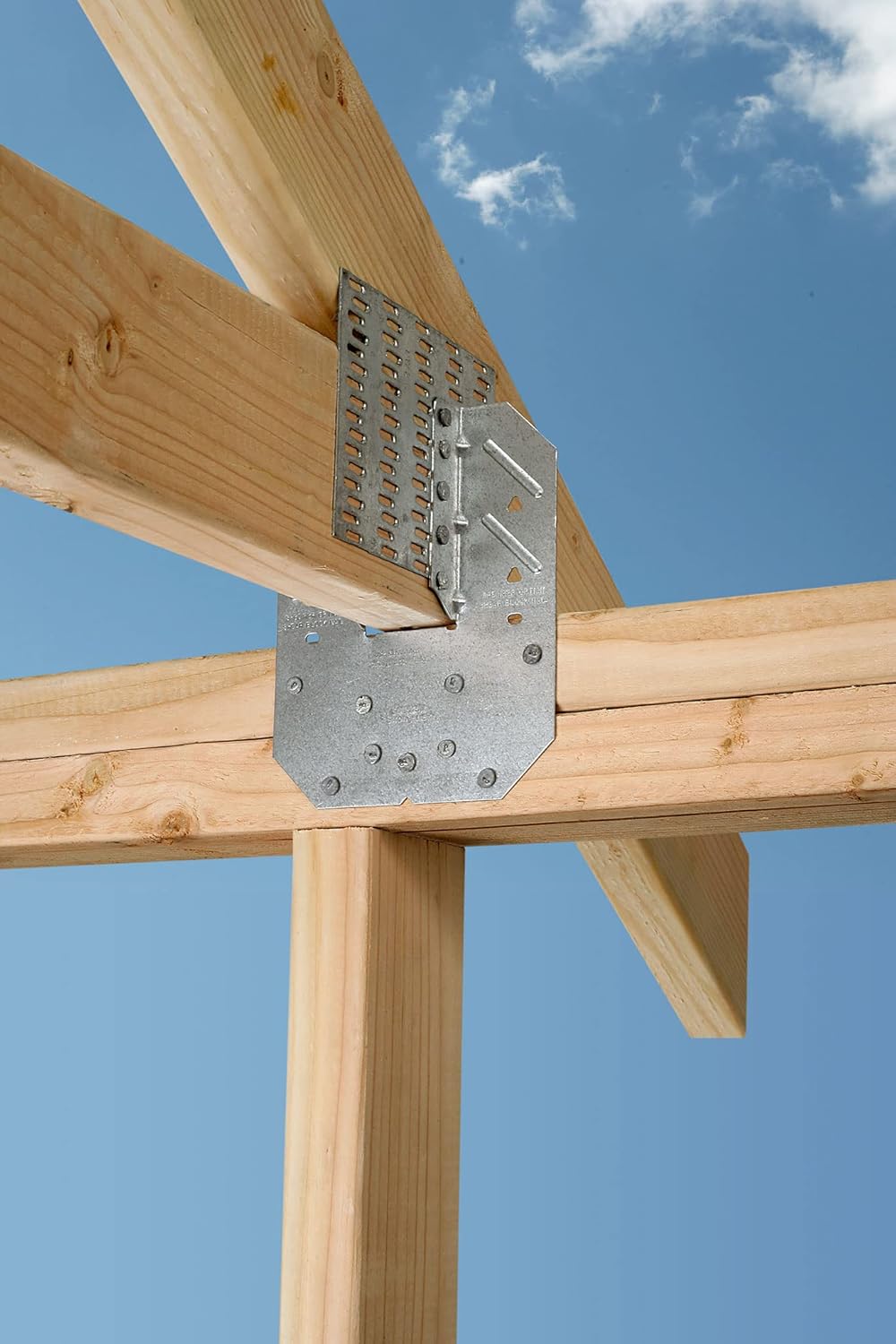
Figure 3.1: An H10A Hurricane Tie correctly installed, connecting a truss to a wall plate.

Figure 3.2: Illustration of the H10A Hurricane Tie resisting uplift forces (F1) on a rafter connection.
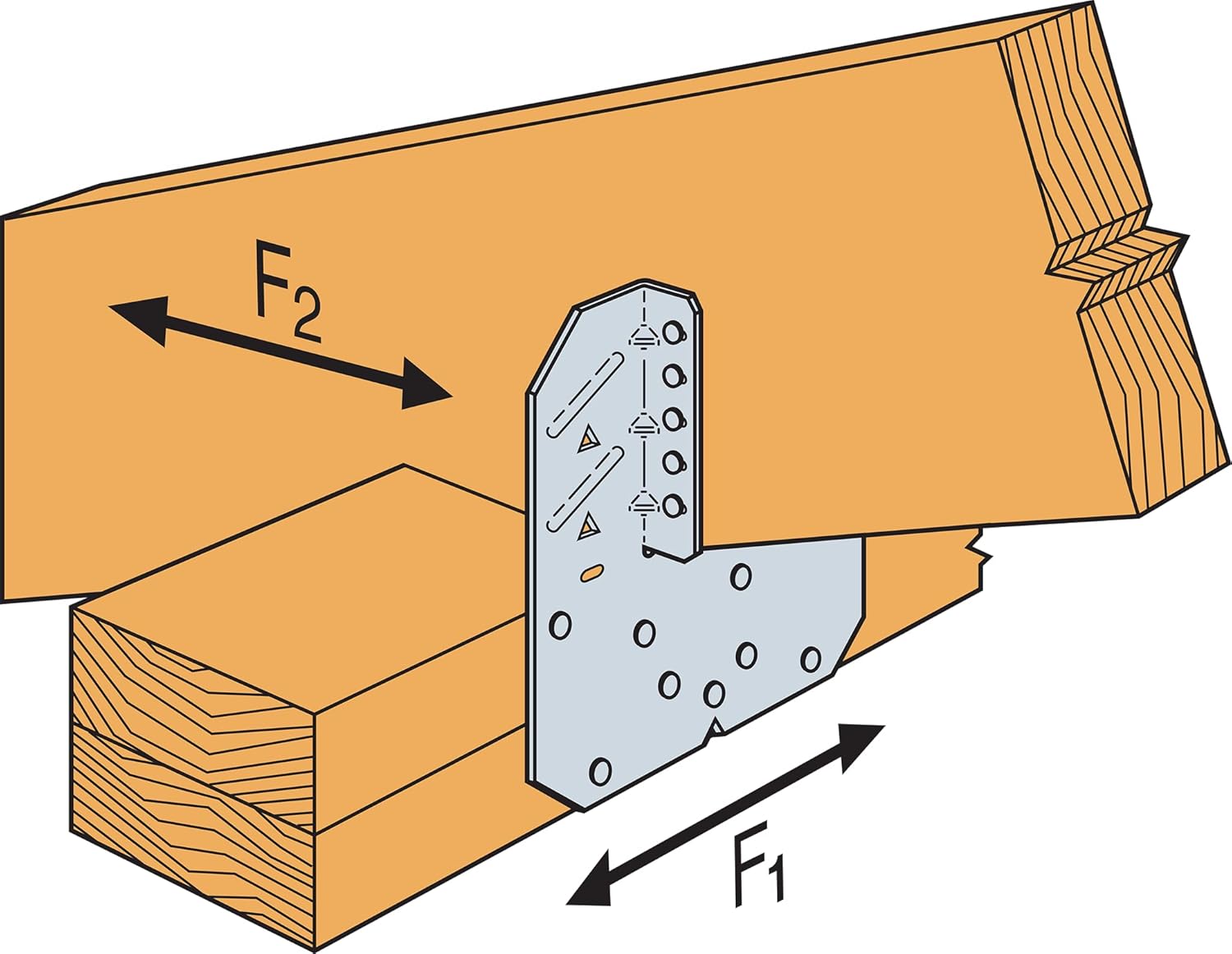
Figure 3.3: Illustration of the H10A Hurricane Tie resisting lateral forces (F2) on a rafter connection.
4. Maintenance
The Simpson Strong-Tie H10A Hurricane Tie is manufactured from galvanized (G90) steel, providing inherent resistance to corrosion. Under normal conditions and proper installation in dry, protected environments, these ties require minimal maintenance.
- Inspection: Periodically inspect installed ties for any signs of damage, corrosion, or loosening of fasteners. This is particularly important after severe weather events.
- Cleaning: If ties become dirty, clean them with a soft brush and mild detergent. Avoid abrasive cleaners or tools that could damage the galvanized coating.
- Environmental Exposure: While galvanized, prolonged exposure to harsh corrosive environments (e.g., saltwater spray, certain chemicals) may accelerate degradation. Consult a structural engineer for applications in such conditions.
5. Troubleshooting
Most issues related to hurricane ties stem from improper installation or selection. Adhering strictly to the installation instructions and local building codes will prevent common problems.
- Tie Appears Loose: Ensure all specified nails are fully driven and the tie is flush against both members. If movement persists, verify the dimensions of the lumber match the tie's specifications.
- Nails Not Driving Properly: Ensure you are using the correct 10d x 1-1/2 inch nails. Check for obstructions within the wood. Do not use screws unless specifically approved by Simpson Strong-Tie for this application.
- Corrosion/Rust: While galvanized, severe or localized corrosion may indicate exposure to unusually harsh conditions or damage to the coating. Consult a professional if significant corrosion is observed.
- Structural Concerns: If you have any doubts about the structural integrity of your installation or the performance of the tie, consult a qualified structural engineer or building professional.
6. Warranty and Support
For detailed warranty information, product support, and additional technical resources, please visit the official Simpson Strong-Tie website. Simpson Strong-Tie stands behind the quality and performance of its products when installed correctly and used in accordance with their specifications and local building codes.
You can find more information and contact support via the official brand store: Simpson Strong-Tie Store on Amazon.
No official product videos from the seller were available for inclusion in this manual.


