
1. Introduction
The Solter Cott 175Se is a highly versatile inverter welding machine designed for coated electrodes (MMA) and TIG welding. It offers an excellent balance of weight, volume, and performance, making it suitable for both personal projects and industrial maintenance tasks. This manual provides essential information for the safe and efficient operation of your welding equipment.
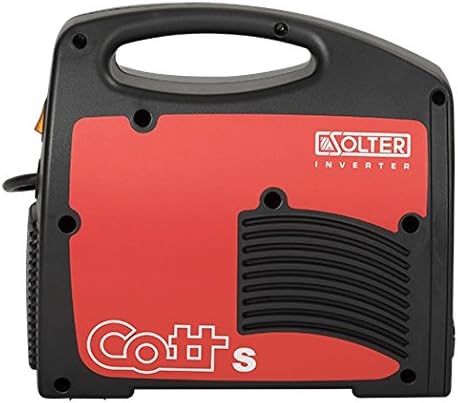
Figure 1: Solter Cott 175Se Inverter Welder, side view.
2. Safety Information
WARNING: Welding can be dangerous. Always follow safety precautions to prevent injury or death. Read and understand all safety instructions before operating the equipment.
- Electric Shock: Can kill. Ensure proper grounding. Do not touch live electrical parts. Wear dry welding gloves and protective clothing.
- Fumes and Gases: Can be hazardous to your health. Keep your head out of the fumes. Use ventilation or exhaust to remove fumes from the breathing zone.
- Arc Rays: Can burn eyes and skin. Wear a welding helmet with a proper shade filter. Wear protective clothing to cover all exposed skin.
- Fire and Explosion: Welding sparks and hot metal can cause fires. Keep combustibles away from the welding area. Have a fire extinguisher readily available.
- Burns: Hot metal can cause severe burns. Do not touch hot parts with bare hands. Allow welded materials to cool before handling.
- Noise: Excessive noise can damage hearing. Wear ear protection.
Always consult local safety regulations and standards for welding operations.
3. Setup
Before operating the Solter Cott 175Se, ensure the following setup procedures are completed correctly.
3.1 Unpacking and Inspection
- Carefully remove the welding machine and all accessories from the packaging.
- Inspect the unit for any signs of damage during transit. If damage is found, contact your supplier immediately.
- Ensure all components listed in the packing list are present.
3.2 Power Connection
- The Cott 175Se operates on a 240 Volt electrical supply. Ensure your power source matches this requirement.
- Connect the power cable to a properly grounded electrical outlet.
- Verify that the power circuit can handle the welder's electrical power requirement of 6.5 kW.
3.3 Electrode and Ground Clamp Connection (MMA Welding)
- Connect the electrode holder cable to the positive (+) terminal on the front panel of the welder.
- Connect the ground clamp cable to the negative (-) terminal on the front panel.
- Securely attach the ground clamp to the workpiece, ensuring good electrical contact. The workpiece must be clean and free of rust, paint, or grease.
- Insert the appropriate electrode into the electrode holder. The Cott 175Se supports electrodes from 1.6 mm to 4.0 mm for MMA welding.
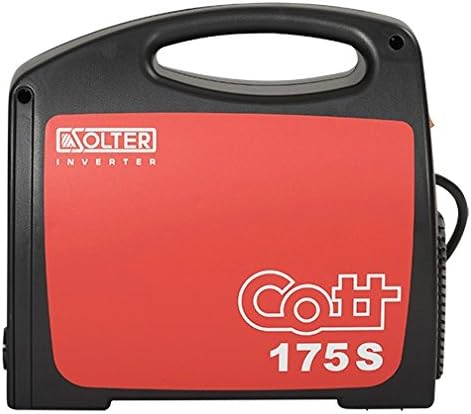
Figure 2: Front panel with control knob and connection points.
4. Operating Instructions
This section details the steps for operating your Solter Cott 175Se Inverter Welder.
4.1 Powering On/Off
- To power on the unit, flip the main power switch located on the rear or side of the machine to the "ON" position. The cooling fan will start, and indicator lights may illuminate.
- To power off, flip the main power switch to the "OFF" position.
4.2 Adjusting Welding Current (MMA)
- The Cott 175Se features analog control for current adjustment. Use the control knob on the front panel to set the desired welding amperage.
- The MMA regulation range is 10-125 Amperes. Refer to the electrode manufacturer's recommendations for optimal current settings based on electrode diameter and material thickness.
4.3 TIG Welding (Lift-Arc)
The Cott 175Se is capable of TIG welding with electrodes from 1.0 mm to 2.4 mm. For TIG welding, a TIG torch with a gas valve and a gas cylinder (Argon) are required (sold separately). This machine uses a Lift-Arc ignition method:
- Connect the TIG torch to the negative (-) terminal and the ground clamp to the positive (+) terminal.
- Open the gas valve on the TIG torch.
- Lightly touch the tungsten electrode to the workpiece.
- Lift the electrode slightly (1-2 mm) to initiate the arc.
- Begin welding.
4.4 Basic Welding Technique (MMA)
- Arc Striking: Gently scratch the electrode against the workpiece like striking a match. Once the arc is established, maintain a consistent arc length (typically equal to the electrode diameter).
- Travel Speed: Move the electrode at a steady pace to create a uniform weld bead. Too fast results in a narrow, convex bead; too slow results in a wide, lumpy bead.
- Angle: Maintain an electrode angle of 10-30 degrees in the direction of travel.
- Slag Removal: After welding, allow the weld to cool slightly, then chip off the slag with a chipping hammer and clean with a wire brush.
5. Maintenance
Regular maintenance ensures the longevity and optimal performance of your Solter Cott 175Se.
- Daily:
- Inspect cables and connections for damage or wear. Replace any damaged components immediately.
- Clean the electrode holder and ground clamp to ensure good electrical contact.
- Weekly/Monthly (depending on usage):
- Clean the exterior of the machine with a dry, soft cloth.
- Use compressed air to blow out dust and debris from the ventilation openings. Ensure the machine is unplugged before doing this.
- Check all fasteners for tightness.
- Storage: Store the welder in a clean, dry environment, away from dust, moisture, and corrosive materials.
CAUTION: Always disconnect the power supply before performing any maintenance or cleaning.
6. Troubleshooting
This section addresses common issues you might encounter with your Cott 175Se.
| Problem | Possible Cause | Solution |
|---|---|---|
| No power when switched on | Power cable unplugged, circuit breaker tripped, faulty power switch. | Check power cable connection. Reset circuit breaker. If problem persists, contact service. |
| No welding arc | Poor ground connection, incorrect current setting, wet/damaged electrode, faulty cables. | Ensure ground clamp is clean and securely attached. Adjust current. Use dry electrodes. Inspect and replace damaged cables. |
| Arc is unstable or difficult to strike | Low current setting, improper electrode angle, dirty workpiece, incorrect electrode type. | Increase current. Adjust electrode angle. Clean workpiece. Use appropriate electrode for material. |
| Welder overheats (thermal overload light on) | Exceeding duty cycle, blocked ventilation, high ambient temperature. | Allow machine to cool down. Ensure ventilation openings are clear. Operate in a cooler environment. |
If you encounter issues not listed here or if solutions do not resolve the problem, contact Solter customer support or a qualified service technician.
7. Specifications
| Feature | Detail |
|---|---|
| Model | Cott 175Se (04241) |
| Manufacturer | Solter |
| Dimensions (L x W x H) | 30 x 42 x 15 cm |
| Weight | 5.24 kg |
| Power Source | Wired Electric |
| Voltage | 240 Volts |
| Electrical Power | 6.5 kW |
| Max Amperage Output | 180 Amperes |
| MMA Regulation Range | 10-125 Amperes |
| MMA Electrode Diameter | 1.6 to 4.0 mm |
| TIG Electrode Diameter | 1.0 to 2.4 mm |
| Control Type | Analog |
| Origin | Made in Spain |
8. Warranty and Support
Solter products are manufactured to high-quality standards and are backed by a manufacturer's warranty. For specific warranty terms and conditions, please refer to the warranty card included with your product or visit the official Solter website.
For technical assistance, spare parts, or service inquiries, please contact Solter customer support. Contact information can typically be found on the Solter website or in the product packaging.
Online Resources: For additional information and support, visit the Solter Brand Store.
9. Video Resources
No official product videos from the seller were found to be relevant for inclusion in this manual.
