
Benchmark Scientific D1000
Benchmark Scientific D1000 Handheld Homogenizer User Manual
Model: D1000
1. Introduction
The Benchmark Scientific D1000 Handheld Homogenizer is designed for the rapid homogenization, emulsification, suspension, and disruption of biological samples. This device is suitable for use with microtubes and can process samples ranging from 0.1ml to 250ml, depending on the generator probe utilized.
The D1000 operates as a rotor-stator homogenizer. It functions by drawing the liquid sample into the generator probe via a variable speed rotor, subsequently forcing it out through the slots in the stator. This process induces mechanical shearing of the sample. Repeated passes through the stator ensure thorough homogenization. Most samples achieve complete homogenization within 30 seconds.
A powerful 130W motor drives the rotor at speeds from 8,500 to 30,000 rpm. The speed is adjustable in six steps to accommodate various sample processing requirements. A dedicated on/off switch allows the homogenizer to be maintained at a specific speed setting.

Figure 1: Benchmark Scientific D1000 Handheld Homogenizer unit, power cord, 5mm and 7mm generator probes, wrench, and chuck key.
2. Safety Information
Please read and understand all safety instructions before operating the D1000 Handheld Homogenizer. Failure to follow these instructions may result in injury or damage to the equipment.
- Always wear appropriate personal protective equipment (PPE), including safety glasses and lab coats, when operating the homogenizer.
- Ensure the work area is well-ventilated to prevent the accumulation of aerosols.
- Never operate the homogenizer with damaged generator probes or power cords.
- Disconnect the power cord from the electrical outlet before performing any maintenance, cleaning, or changing generator probes.
- Do not immerse the main homogenizer unit in any liquid.
- Keep hands, hair, and loose clothing away from moving parts during operation.
- Use only generator probes supplied or approved by Benchmark Scientific.
3. Package Contents
Verify that all items are present and undamaged upon unpacking:
- D1000 Handheld Homogenizer Unit
- 5mm Generator Probe (50mm length)
- 7mm Generator Probe (50mm length)
- Power Cord (115V)
- Wrench and Chuck Key (for probe attachment/detachment)
4. Setup
- Unpack Components: Carefully remove all items from the packaging and inspect them for any signs of damage.
- Attach Generator Probe: Select the appropriate generator probe (5mm or 7mm) for your sample volume. Insert the probe shaft into the homogenizer's chuck. Use the provided chuck key or wrench to securely tighten the probe. Ensure the probe is firmly seated to prevent wobbling during operation.
- Connect Power: Plug the power cord into the homogenizer unit, then connect the other end to a grounded 115V electrical outlet.
5. Operating Instructions
- Prepare Sample: Place your sample in an appropriate vessel (e.g., microtube, 15ml tube, 50ml tube, or larger vessel up to 250ml) that matches the selected generator probe size.
- Immerse Probe: Carefully immerse the tip of the generator probe into the sample. Ensure the probe tip is fully submerged but not touching the bottom or sides of the vessel.
- Power On and Adjust Speed: Turn on the homogenizer using the separate on/off switch. Adjust the speed control dial to the desired RPM setting (8,500 to 30,000 rpm). Start at a lower speed and gradually increase to prevent splashing and ensure controlled homogenization.
- Homogenize Sample: Move the probe gently up and down within the sample to ensure even processing. Most samples are homogenized within 30 seconds. Observe the sample consistency to determine when the desired level of homogenization is achieved.
- Power Off and Remove Probe: Once homogenization is complete, turn off the homogenizer using the on/off switch. Carefully remove the probe from the sample vessel.
- Clean Probe: Immediately clean the generator probe after use to prevent sample drying and cross-contamination. Refer to the Maintenance and Cleaning section for detailed instructions.
6. Maintenance and Cleaning
Proper maintenance and cleaning are crucial for the longevity and performance of your D1000 Homogenizer.
- Generator Probes:
- Clean generator probes immediately after each use.
- Rinse probes thoroughly with an appropriate cleaning solution or distilled water.
- The stainless steel generator probes are autoclavable for sterilization. Follow standard autoclaving procedures.
- Inspect probes regularly for wear, bending, or damage. Replace damaged probes promptly.
- Main Unit:
- Wipe the exterior of the main homogenizer unit with a soft, damp cloth.
- Do not use abrasive cleaners or solvents that could damage the housing.
- Ensure no liquid enters the internal components of the unit.
- Store the unit in a clean, dry environment when not in use.
7. Troubleshooting
Refer to this section for common issues and their potential solutions.
| Problem | Possible Cause | Solution |
|---|---|---|
| Unit does not turn on | No power supply; On/off switch not engaged | Check power cord connection; Ensure switch is in 'On' position; Test electrical outlet. |
| Poor homogenization results | Incorrect speed setting; Probe not fully immersed; Incorrect probe size for sample volume | Adjust speed; Ensure probe tip is submerged; Select appropriate generator probe. |
| Excessive vibration or noise | Generator probe not securely attached; Damaged probe; Motor issue | Tighten probe with chuck key/wrench; Inspect probe for damage and replace if necessary; Contact technical support if motor issue is suspected. |
| Sample splashing | Speed too high; Probe not deep enough | Reduce speed; Ensure probe is adequately immersed in the sample. |
If you encounter issues not listed here or if the suggested solutions do not resolve the problem, please contact Benchmark Scientific technical support.
8. Specifications
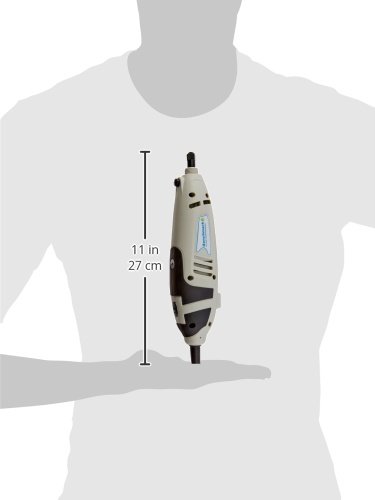
Figure 2: Side view of the D1000 Handheld Homogenizer with an 11 inch (27 cm) length reference.
| Feature | Specification |
|---|---|
| Model Number | D1000 |
| Motor Power | 130 Watts |
| Speed Range | 8,500 - 30,000 rpm (6 steps) |
| Sample Volume Range | 0.1 ml - 250 ml (probe dependent) |
| Generator Probes Included | 5mm x 50mm, 7mm x 50mm |
| Generator Probe Material | Stainless Steel (Autoclavable) |
| Power Supply | 115V |
| Package Dimensions | 12.3 x 10.3 x 3.5 inches (31.24 x 26.16 x 8.89 cm) |
| Package Weight | 1.35 Pounds (0.61 kg) |
9. Warranty and Support
For information regarding the product warranty, please refer to the warranty card included with your purchase or visit the official Benchmark Scientific website. For technical support, service, or to order replacement parts, please contact Benchmark Scientific customer service directly.
Benchmark Scientific Contact Information:
Please refer to the contact details provided on the official Benchmark Scientific website or product packaging for the most current support information.
Ask a question about this manual
Ask about setup, troubleshooting, compatibility, parts, safety, or missing instructions. Manuals+ will review the question and use this page’s manual context to help answer it.