
1. Introduction
This manual provides essential information for the proper installation, operation, and maintenance of your BOSCH BC866 QuietCast Premium Ceramic Disc Brake Pad Set. These brake pads are engineered to deliver original equipment (OE) quality performance, ensuring reliable stopping power and quiet operation with minimal dust.
The QuietCast line incorporates advanced features such as Molded Shim Technology (MST) and a proprietary ceramic friction material, designed for durability and consistent performance across various driving conditions.

Image 1.1: BOSCH BC866 QuietCast Premium Ceramic Disc Brake Pads, showing the front and back of two pads, along with hardware clips and a packet of synthetic lubricant.
2. Safety Information
WARNING: Automotive brake system work requires specialized knowledge and tools. Improper installation or maintenance can lead to brake failure, resulting in serious injury or death. If you are not confident in your ability to perform this installation safely, seek assistance from a qualified automotive technician.
- Always wear appropriate personal protective equipment (PPE), including safety glasses, gloves, and a dust mask, when working on brake systems.
- Ensure the vehicle is securely supported on jack stands on a level surface before beginning any work. Never rely solely on a jack.
- Consult your vehicle's service manual for specific procedures, torque specifications, and safety precautions relevant to your make and model.
- Brake dust may contain hazardous materials. Avoid inhaling brake dust and use appropriate cleaning methods.
- Do not reuse worn or damaged brake components.
3. Package Contents
Your BOSCH BC866 QuietCast Premium Ceramic Disc Brake Pad Set package typically includes the following components:
- Four (4) Ceramic Disc Brake Pads (for one axle)
- Hardware Kit (where applicable, may include clips and shims)
- Synthetic Lubricant Packet
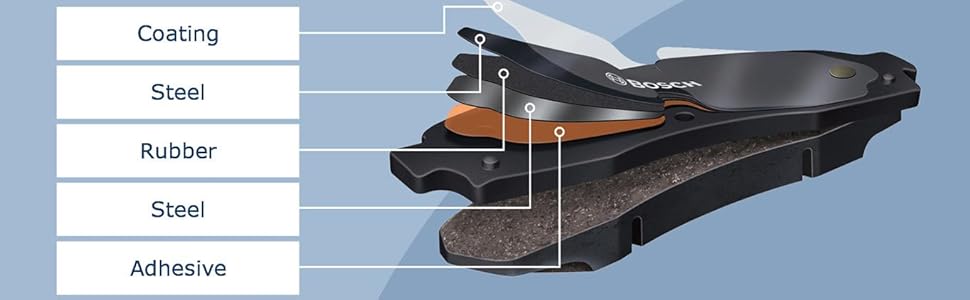
Image 3.1: Packaging for BOSCH QuietCast Premium Disc Brake Pads, indicating the product type.
4. Setup and Installation
The following steps provide a general guide for installing the brake pads. Always refer to your vehicle's specific service manual for detailed instructions and torque specifications.
- Vehicle Preparation: Park the vehicle on a level surface, engage the parking brake, and block the rear wheels. Loosen the lug nuts on the wheel(s) where pads will be replaced.
- Lift and Secure: Safely lift the vehicle using a jack and secure it with jack stands. Remove the wheel(s).
- Caliper Removal: Locate the caliper mounting bolts. Remove these bolts to detach the brake caliper from the rotor. Do not let the caliper hang by the brake hose; support it with a wire or bungee cord.
- Old Pad Removal: Remove the old brake pads from the caliper bracket. Note their orientation for correct installation of the new pads.
- Inspection and Cleaning: Inspect the brake rotor for wear, scoring, or warping. Replace rotors if necessary. Clean the caliper bracket and hardware mounting points thoroughly.
- Piston Retraction: Use a brake caliper piston compression tool to retract the caliper piston(s) fully. Open the brake fluid reservoir cap before doing this.
- New Pad Installation: Install the new hardware clips (if provided) onto the caliper bracket. Apply a thin layer of the supplied synthetic lubricant to the contact points of the new brake pads and the caliper bracket. Install the new BOSCH BC866 brake pads into the caliper bracket, ensuring they are seated correctly.
- Caliper Reassembly: Carefully position the caliper over the new pads and rotor. Reinstall the caliper mounting bolts and tighten them to the manufacturer's specified torque.
- Wheel Reinstallation: Reinstall the wheel(s) and hand-tighten the lug nuts.
- Lower Vehicle: Safely lower the vehicle to the ground. Tighten the lug nuts to the manufacturer's specified torque in a star pattern.
- Brake Pedal Pumping: Before driving, slowly pump the brake pedal several times until a firm pedal feel is achieved. Check the brake fluid level and top off if necessary.

Image 4.1: An angled view of four BOSCH BC866 brake pads, highlighting their ceramic friction material and backing plates.
Installation Video Reference
For a visual guide on brake pad installation and general brake system maintenance, please refer to the following official Bosch videos:
Video 4.1: "Bosch Braking Brake Pads" - This video provides an overview of Bosch brake pads, their features, and general installation concepts.
Video 4.2: "Bosch Braking: What's Stopping You?" - This video highlights the importance of quality braking components and features of Bosch brake systems.
5. Operating Principles
BOSCH QuietCast Premium Ceramic Disc Brake Pads utilize a unique ceramic friction material that offers several advantages:
- Quiet Operation: The ceramic formulation and multi-layer rubber core shims (Molded Shim Technology) work together to absorb vibrations and reduce noise, providing a quiet braking experience.
- Low Dust: Ceramic compounds produce significantly less dust compared to semi-metallic pads, helping to keep wheels cleaner.
- Consistent Performance: Engineered for robust performance, these pads maintain consistent stopping power across a wide range of temperatures and driving conditions.
- Corrosion Resistance: Powder-coated backing plates prevent rust and corrosion, extending the life of the brake pads.
Brake Pad Break-in Procedure (Bedding-in)
After installing new brake pads, a proper break-in procedure is crucial for optimal performance and longevity. This process, also known as 'bedding-in', transfers a thin layer of friction material from the pads to the rotor surface, ensuring even contact and maximizing braking efficiency. Follow these general steps:
- From 60 mph, apply moderate braking pressure to reduce speed to 20 mph. Do not come to a complete stop.
- Repeat this process approximately 8-10 times, allowing a short cool-down period between each stop.
- Avoid hard braking or prolonged braking during the first 200 miles after installation.
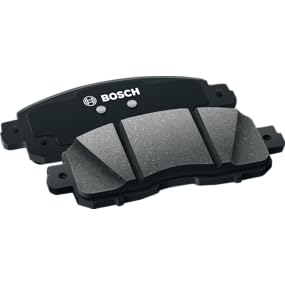
Image 5.1: Diagram illustrating the multi-layered construction of a Bosch brake pad, including coating, steel, rubber, and adhesive layers for enhanced performance and noise reduction.
6. Maintenance
Regular inspection and maintenance of your brake system are vital for safety and performance. Bosch recommends the following:
- Routine Inspection: Have your brake pads, rotors, and brake fluid inspected by a qualified technician at least once a year or every 12,000 miles, whichever comes first.
- Pad Wear Check: Monitor the thickness of your brake pads. Replace them when the friction material wears down to the minimum recommended thickness (typically 2-3mm, or as specified by your vehicle manufacturer).
- Rotor Condition: Inspect rotors for excessive wear, deep grooves, cracks, or discoloration. Rotors should be replaced if they fall below minimum thickness specifications or show signs of damage.
- Brake Fluid: Check your brake fluid level regularly. Low fluid levels can indicate a leak or excessive pad wear. Brake fluid should be flushed and replaced according to your vehicle manufacturer's recommendations, typically every 2-3 years, to maintain optimal boiling point and prevent corrosion.
- Lubrication: Ensure all sliding contact points of the caliper and hardware are properly lubricated with high-temperature synthetic brake lubricant during pad replacement.
7. Troubleshooting
If you experience any issues with your brake system after installing BOSCH BC866 brake pads, consider the following common problems and potential solutions:
| Symptom | Possible Cause | Solution |
|---|---|---|
| Brake Squeal/Noise | Improper break-in, worn or incorrect hardware, caliper issues, rotor surface irregularities. | Perform break-in procedure. Inspect and replace hardware. Ensure caliper slides freely. Inspect rotors for damage. |
| Reduced Braking Performance | Improper break-in, air in brake lines, worn pads/rotors, contaminated pads. | Perform break-in. Bleed brake system. Inspect and replace pads/rotors. Check for fluid leaks. |
| Vibration/Pulsation | Warped rotors, uneven pad wear, loose wheel bearings, caliper issues. | Inspect and replace rotors. Check for proper pad installation. Inspect wheel bearings. |
| Excessive Brake Dust | Normal for some pad types (less common with ceramic), improper break-in. | Ensure proper break-in. Clean wheels regularly. If excessive, re-evaluate pad type or installation. |
If troubleshooting steps do not resolve the issue, consult a professional automotive technician.
8. Specifications
| Attribute | Detail |
|---|---|
| Brand | Bosch |
| Model Number | BC866 |
| Material | Ceramic |
| Auto Part Position | Front |
| Vehicle Service Type | Automotive |
| Specification Met | OEM |
| Item Weight | 3.41 pounds |
| Product Dimensions | 8.5 x 5.3 x 3.33 inches |
| UPC | 077212160747 |
| Compatible Vehicles (Front) | CHRYSLER: 2011-14 200, 2001-08 Sebring; DODGE: 2008 Avenger, 2007-12 Caliber, 2001-05 Stratus; JEEP: 2007-17 Patriot; MITSUBISHI: 2001-12 Eclipse, 2000-12 Galant, 2004-06, 2008-17 Lancer, 2003-04, 2007-20 Outlander, 2011-21 Outlander Sport, 2011-18, 2022 RVR |
9. Warranty and Support
BOSCH QuietCast Premium Ceramic Disc Brake Pads are manufactured to high-quality standards and typically come with a manufacturer's warranty against defects in materials and workmanship. For specific warranty terms and conditions, please refer to the documentation included with your product or visit the official Bosch Automotive website.
For technical assistance, product inquiries, or warranty claims, please contact Bosch customer support through their official channels. Always provide your product model number (BC866) and purchase information when seeking support.


