
DNJ IG710
DNJ IG710 Intake Manifold Gasket Set User Manual
Brand: DNJ | Model: IG710
1. Product Overview
The DNJ IG710 Intake Manifold Gasket Set is a brand new replacement part designed for specific Subaru models. This set ensures a proper seal between the intake manifold and the cylinder head, which is crucial for maintaining engine performance and preventing vacuum leaks.
Key Features:
- Brand new DNJ® Intake Manifold Gasket Set.
- Specifically fits 1996-1999 Subaru Legacy, Forester, and Impreza models with 2.5L H4 DOHC Naturally Aspirated EJ25D engines.
- Designed for precise fitment and reliable sealing.

Image 1: The DNJ IG710 Intake Manifold Gasket Set, shown with its product packaging.
2. Installation Guide
Proper installation of an intake manifold gasket is critical for engine function and longevity. It is highly recommended that installation be performed by a qualified mechanic or an individual with extensive automotive repair experience.
General Installation Steps (Consult Service Manual for Specifics):
- Ensure the engine is cool before beginning work.
- Disconnect the battery and relieve fuel system pressure.
- Carefully remove all components obstructing access to the intake manifold (e.g., air intake, wiring, hoses).
- Remove the intake manifold bolts and the manifold itself.
- Thoroughly clean all mating surfaces on both the cylinder head and the intake manifold. Remove all old gasket material, carbon deposits, and debris. Ensure surfaces are dry and free of oil.
- Inspect the new DNJ gaskets for any damage or imperfections.
- Position the new gaskets correctly on the cylinder head or intake manifold, ensuring all bolt holes and ports align.
- Carefully reinstall the intake manifold, ensuring it seats properly on the new gaskets.
- Install the intake manifold bolts. Refer to your vehicle's service manual for the correct torque specifications and tightening sequence. Improper torque can lead to leaks or damage.
- Reconnect all removed components, wiring, and hoses.
- Reconnect the battery.
- Start the engine and check for any leaks or unusual noises.
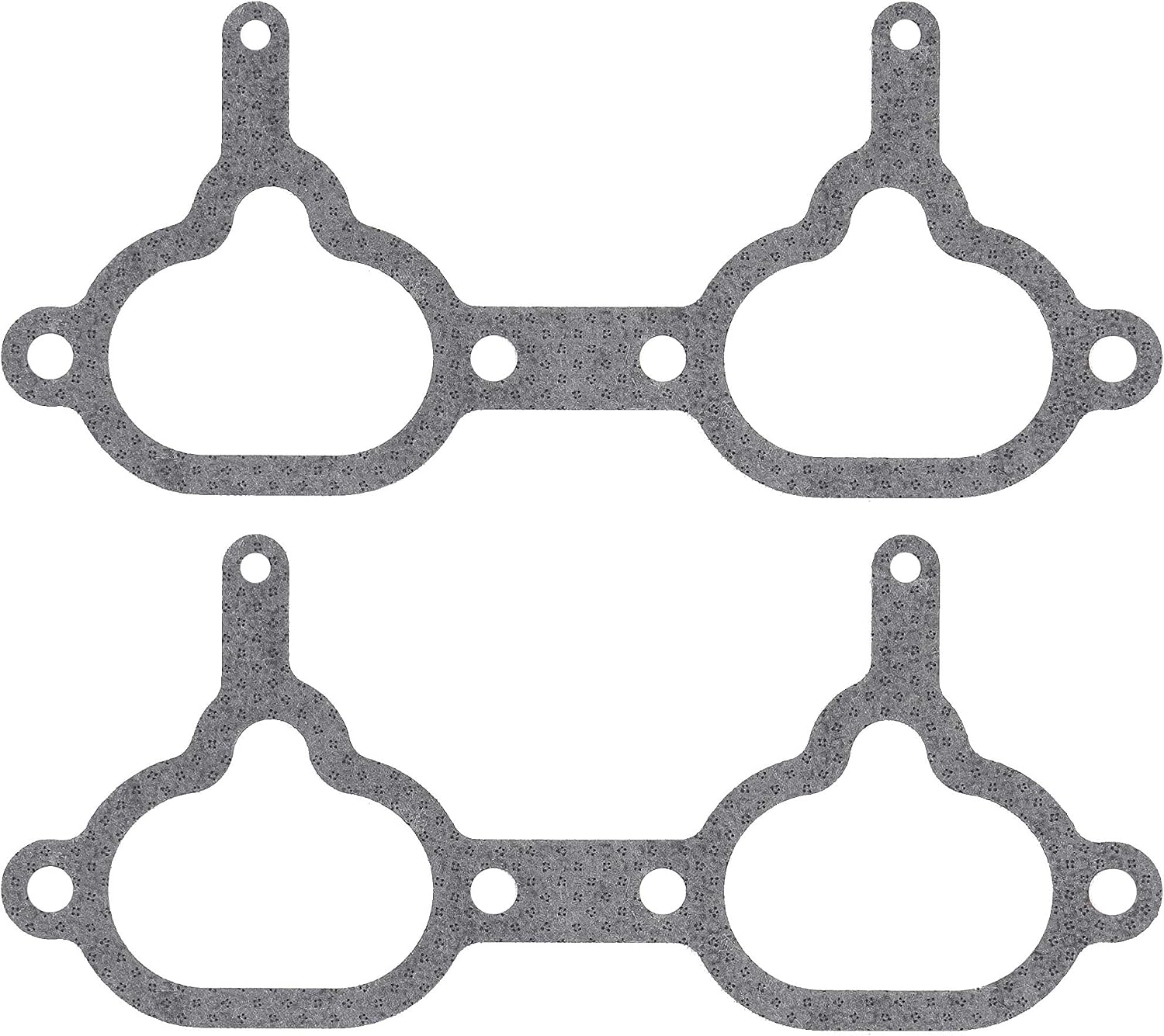
Image 2: A pair of DNJ IG710 Intake Manifold Gaskets, ready for installation.
3. Operation and Function
The intake manifold gasket creates a seal between the engine's cylinder head and the intake manifold. This seal is vital for preventing air leaks (vacuum leaks) into the engine's intake system. A proper seal ensures that the air-fuel mixture entering the combustion chambers is precisely controlled by the engine's computer, leading to optimal engine performance, fuel efficiency, and emissions control.
Once installed, the gasket operates passively, maintaining the seal under varying engine temperatures and pressures. Its primary function is to ensure that all air entering the engine passes through the throttle body and mass airflow sensor, allowing the engine control unit (ECU) to accurately calculate fuel delivery.
4. Maintenance and Care
Intake manifold gaskets are designed for long-term durability, but their lifespan can be affected by engine conditions and proper installation. While the gasket itself does not require routine maintenance, monitoring your engine for signs of a failing gasket is important.
Tips for Prolonging Gasket Life:
- Ensure proper engine cooling system function to prevent overheating, which can degrade gasket materials.
- Address any engine misfires or backfires promptly, as these can put undue stress on gaskets.
- Use recommended coolants and fluids to prevent corrosion or material degradation.
5. Troubleshooting Common Issues
A failing intake manifold gasket can lead to various engine performance issues. If you experience any of the following symptoms, it may indicate a problem with the intake manifold gasket:
- Rough Idle: An unmetered air leak can cause the engine to run lean, leading to an unstable or rough idle.
- Engine Misfires: Inconsistent air-fuel mixture can result in misfires, especially under load.
- Reduced Fuel Economy: The engine's ECU may try to compensate for a lean condition by adding more fuel, decreasing efficiency.
- Check Engine Light (CEL): Vacuum leaks often trigger diagnostic trouble codes (DTCs) related to system lean conditions (e.g., P0171, P0174).
- Hissing Sound: A noticeable hissing or whistling sound from the engine bay, particularly around the intake manifold, can indicate an air leak.
- Coolant Leaks (if applicable): Some intake manifold gaskets also seal coolant passages. A failure can lead to external coolant leaks or coolant mixing with oil.
Troubleshooting Steps:
- Visually inspect the area around the intake manifold for any signs of leaks or damage.
- Listen for hissing sounds while the engine is running.
- Use a smoke machine or carburetor cleaner spray (with caution) to identify vacuum leaks.
- Scan the vehicle's ECU for diagnostic trouble codes.
- If a leak is confirmed, replacement of the intake manifold gasket set is necessary.
6. Product Specifications
| Attribute | Value |
|---|---|
| Part Number | IG710 |
| Condition | New |
| Brand | DNJ |
| Manufacturer | DNJ ENGINE COMPONENTS |
| Engine Designation | EJ25D |
| UPC | 849500027502 |
| Country of Origin | China |
Dimensions and Weight:
- Product Dimensions: 17.33 x 6 x 0.56 inches
- Item Weight: 3.2 ounces
7. Warranty Information
All DNJ® Parts carry a limited 12-month or 12,000-mile warranty, whichever occurs first. This warranty is limited to the replacement of a defective product only. For specific terms and conditions, please refer to the official DNJ warranty policy or contact DNJ customer support.
8. Customer Support
For further assistance, technical inquiries, or warranty claims regarding your DNJ IG710 Intake Manifold Gasket Set, please contact DNJ Engine Components directly or visit their official store.
You can visit the DNJ Store online for more information and product details: DNJ Official Store
Ask a question about this manual
Ask about setup, troubleshooting, compatibility, parts, safety, or missing instructions. Manuals+ will review the question and use this page’s manual context to help answer it.