Important Compatibility Information
Before proceeding with installation, it is crucial to verify that this part is compatible with your specific equipment model. Many replacement parts may appear similar but are not interchangeable.

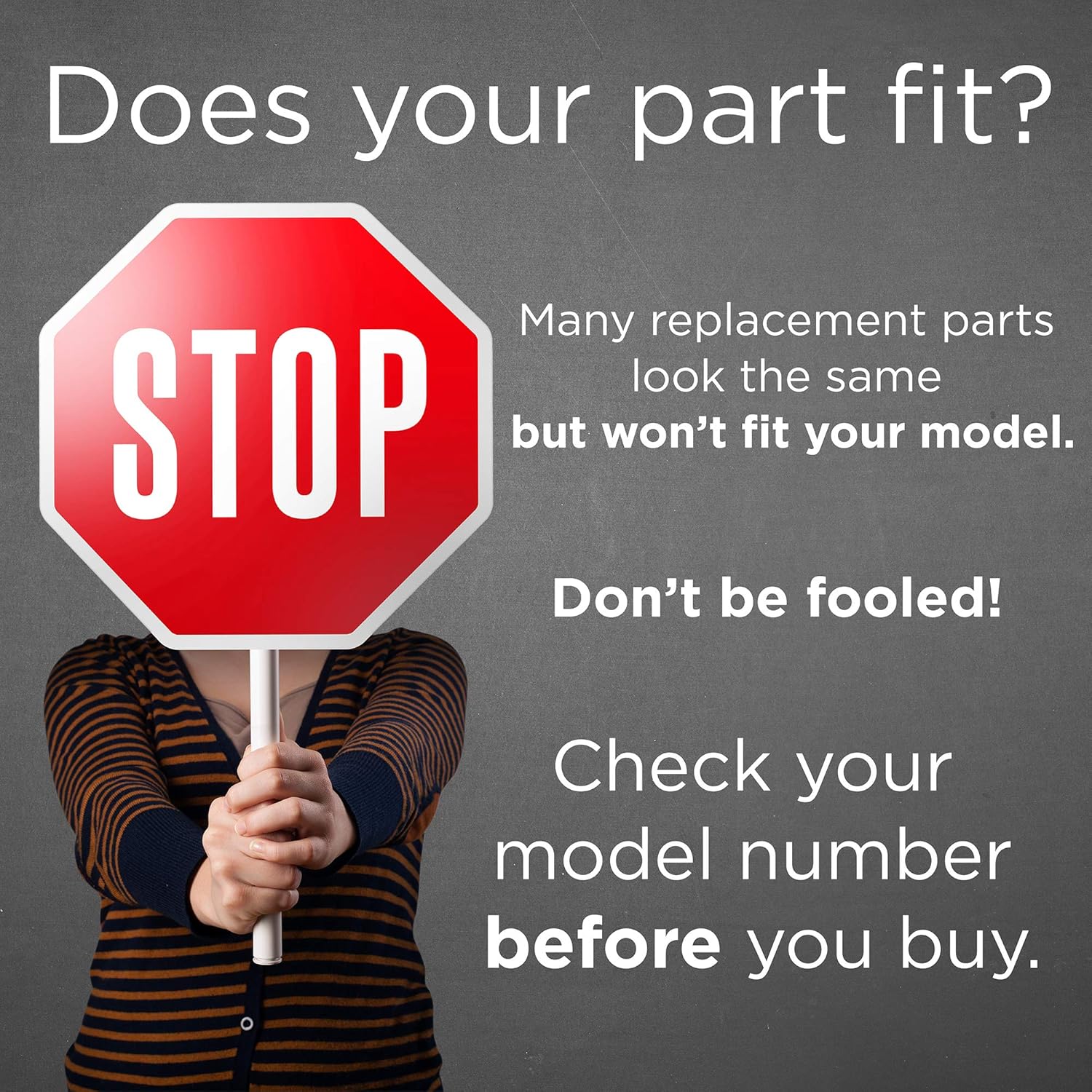
This image emphasizes the importance of checking your equipment's model number to ensure compatibility before installing the bypass valve kit. Incorrect parts can lead to malfunction or damage.
Always consult your equipment's original manufacturer manual for specific part numbers and installation procedures.
Product Overview
The Hydro-Gear 71248 Bypass Valve Kit is a genuine OEM replacement part designed for specific Hydro-Gear models. This kit is essential for maintaining the proper function of your equipment's hydraulic system, particularly in applications involving hydrostatic transmissions.
This image displays the Hydro-Gear 71248 Bypass Valve Kit, highlighting its design and the quality of a genuine OEM component.
Safety Information
- Always disconnect power or disable the engine before attempting any maintenance or installation.
- Wear appropriate personal protective equipment (PPE), such as safety glasses and gloves.
- Ensure the equipment is on a stable, level surface and properly secured to prevent accidental movement.
- Refer to your equipment's primary service manual for detailed safety precautions and procedures.
- If you are unsure about any step, consult a qualified service technician.
Installation
The Hydro-Gear 71248 Bypass Valve Kit is a precision component. Proper installation is critical for the correct operation and longevity of your equipment's hydraulic system. Due to the specialized nature of hydraulic systems, it is highly recommended that installation be performed by a qualified technician or by carefully following the detailed instructions provided in your equipment's specific service manual.
General Guidelines (Consult Equipment Manual for Specifics):
- Preparation: Ensure the equipment is cool, stable, and all power sources are disconnected. Clean the area around the existing bypass valve to prevent contamination.
- Fluid Management: Be prepared for potential hydraulic fluid leakage during removal. Have appropriate containers and absorbent materials ready.
- Removal: Carefully remove the old bypass valve, noting its orientation and any associated seals or O-rings.
- Inspection: Inspect the housing and surrounding components for any damage or wear. Clean thoroughly.
- Installation of New Valve: Install the new Hydro-Gear 71248 Bypass Valve Kit, ensuring all seals are correctly seated and connections are tightened to the manufacturer's specified torque.
- Fluid Replenishment/Bleeding: After installation, replenish hydraulic fluid if necessary and follow your equipment's manual for proper system bleeding procedures to remove air.
- Testing: Slowly and carefully test the equipment's function in a safe environment before returning it to full operation.
Function of the Bypass Valve
A bypass valve in a hydrostatic transmission system allows for the manual disengagement of the drive system, typically for moving the equipment without the engine running (e.g., pushing a lawnmower). When engaged, the valve allows hydraulic fluid to bypass the pump and motor, reducing resistance and enabling free-wheeling. When disengaged, the valve closes, allowing the hydraulic system to build pressure and transmit power to the wheels.
The Hydro-Gear 71248 Bypass Valve Kit ensures this critical function operates correctly, providing control over the equipment's mobility and preventing damage to the hydrostatic system when it needs to be moved manually.
Maintenance
As an internal component of a hydraulic system, the bypass valve itself typically requires minimal direct maintenance. However, its proper function is dependent on the overall health of the hydraulic system.
- Hydraulic Fluid: Regularly check and maintain the correct level and quality of hydraulic fluid as specified in your equipment's manual. Contaminated or low fluid levels can affect valve performance and system longevity.
- System Cleanliness: Keep the hydraulic system clean and free from debris. Any foreign particles can impede valve operation or cause wear.
- Inspection: During routine equipment maintenance, visually inspect the area around the bypass valve for any signs of leakage or damage.
- Replacement: Replace the bypass valve if it shows signs of wear, leakage, or if the bypass function becomes unreliable.
Troubleshooting
If you experience issues related to the bypass function, consider the following:
- Equipment Difficult to Push (Bypass Engaged):
- Possible Cause: Bypass valve not fully engaged or stuck.
- Action: Ensure the bypass lever/mechanism is fully in the bypass position. Inspect the valve for obstructions or damage.
- Equipment Moves When Bypass Engaged:
- Possible Cause: Bypass valve not fully disengaged or faulty.
- Action: Ensure the bypass lever/mechanism is fully in the operating position. If the issue persists, the valve may be faulty and require replacement.
- Hydraulic Fluid Leakage Around Valve:
- Possible Cause: Damaged seals, loose connections, or a cracked valve body.
- Action: Inspect seals and connections. Tighten connections to specification. If the valve body is damaged, replacement is necessary.
For complex hydraulic system issues, it is always best to consult a certified technician or refer to your equipment's service manual.
Specifications
| Specification | Detail |
|---|---|
| Part Number | 71248 |
| Brand | Hydro-Gear |
| Exterior Finish | Metal |
| Inlet Connection Type | Threaded |
| Outlet Connection Type | NPT |
| Number of Ports | 2 |
| Specification Met | OEM |
| Item Weight | 5 pounds |
| UPC | 023990624308 |
Warranty and Support
As a Genuine Original Equipment Manufacturer (OEM) part, the Hydro-Gear 71248 Bypass Valve Kit is typically covered by the manufacturer's standard warranty for replacement parts. Please refer to Hydro-Gear's official website or contact their customer support for specific warranty terms and conditions.
For technical support or further assistance, it is recommended to contact an authorized Hydro-Gear dealer or a qualified service professional.