
Bernard VN80
J.P. Bernard Bow VN80 User Manual
Comprehensive Guide for Setup, Operation, and Maintenance
Product Overview
This manual provides essential information for the J.P. Bernard Bow VN80, a high-quality bow designed for violin, viola, and cello students. Crafted with precision, this bow is an excellent choice for musicians seeking reliable performance and durability.
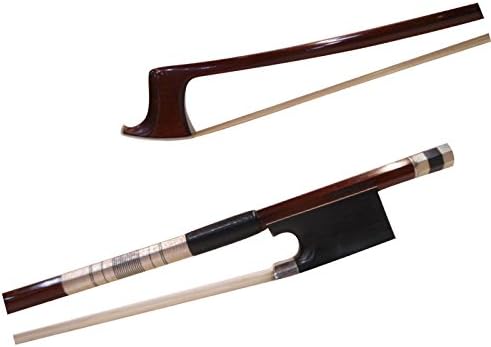
Image: The J.P. Bernard Bow VN80, showcasing its elegant design and construction. The top part of the image displays the curve of the bow stick, while the bottom part shows the frog, winding, and tip, highlighting the craftsmanship of the ebony frog and silver/nickel silver accents.
Key Features:
- Material: J.P. Bernard bows are made from pernambuco wood, known for its strength and flexibility, which contributes to the bow's excellent playability.
- Frog Construction: The frogs are meticulously crafted from ebony, featuring accents of silver or nickel silver, ensuring durability and a refined aesthetic.
- Craftsmanship: These bows are produced under the guidance of Pierre Guillaume, a renowned bow maker and member of the International Society of violin and bow makers, ensuring high standards of quality.
Setup
Proper setup of your J.P. Bernard Bow VN80 is crucial for optimal performance and longevity. Follow these steps before first use and regularly thereafter.
1. Rosining the Bow
Before playing, the bow hair must be properly rosined. Hold the rosin firmly and draw the bow hair across it from frog to tip, applying even pressure. Repeat this process 5-10 times for new bows, or 2-3 times for subsequent uses. Ensure the entire length of the hair is covered.
2. Adjusting Bow Tension
Turn the screw at the frog end of the bow clockwise to tighten the hair. The hair should be taut enough to lift the stick slightly when pressed, but not so tight that the stick becomes rigid or loses its natural curve. Avoid overtightening, as this can damage the bow stick or hair. After playing, loosen the hair completely by turning the screw counter-clockwise until the hair is slack.
3. Inspecting the Bow
Before each use, visually inspect the bow for any signs of damage, such as cracks in the stick, loose winding, or damaged hair. Ensure the frog moves smoothly along the stick when adjusting tension.
Operating
Using your J.P. Bernard Bow VN80 effectively involves understanding basic bowing techniques and proper handling.
1. Holding the Bow
Hold the bow with a relaxed hand. The thumb should be slightly bent and rest on the stick near the frog. The fingers should curve naturally over the stick, with the index finger providing balance and the pinky finger resting lightly on top for control and balance, especially at the frog.
2. Bowing Technique
Draw the bow smoothly across the strings, maintaining a consistent angle and pressure. The sound produced is a result of the interaction between bow speed, pressure, and the point of contact on the string. Experiment with these variables to achieve different tonal qualities.
3. Playing Position
Maintain a comfortable and balanced playing posture. The bow arm should move freely from the shoulder, allowing for full bow strokes and flexibility.
Maintenance
Regular maintenance will preserve the quality and extend the lifespan of your J.P. Bernard Bow VN80.
1. Cleaning the Bow
After each use, wipe down the bow stick with a soft, dry cloth to remove rosin dust. Avoid using water or chemical cleaners, as these can damage the wood and finish. Do not touch the bow hair with your fingers, as oils can degrade its ability to hold rosin.
2. Hair Care
The bow hair will naturally wear out over time and lose its ability to hold rosin effectively. It is recommended to have the bow rehaired by a professional luthier every 6-12 months, depending on usage frequency.
3. Storage
Always store your bow in a bow case or a secure, temperature-controlled environment. Avoid exposing the bow to extreme temperatures or humidity, which can cause warping or cracking. Ensure the bow hair is loosened before storage.
4. Frog and Winding
Periodically check the frog for any looseness or damage. The winding (grip) should be intact. If you notice any issues, consult a professional for repair.
Troubleshooting
Here are some common issues and their potential solutions for your J.P. Bernard Bow VN80.
| Problem | Possible Cause | Solution |
|---|---|---|
| No sound or weak sound | Insufficient rosin on hair; hair too loose; incorrect bowing pressure. | Apply more rosin; tighten bow hair appropriately; adjust bowing pressure. |
| Scratchy or harsh sound | Too much rosin; too much pressure; incorrect bowing angle. | Wipe off excess rosin; reduce pressure; adjust bowing angle. |
| Bow hair breaking frequently | Overtightening the hair; old or low-quality hair; rough handling. | Avoid overtightening; consider professional rehairing; handle with care. |
| Bow stick warping | Exposure to extreme temperature/humidity; prolonged overtightening. | Store in stable environment; always loosen hair after use. Consult a luthier for severe warping. |
Specifications
Detailed specifications for the J.P. Bernard Bow VN80.
- Model: VN80
- Brand: Bernard
- Material: Pernambuco wood stick, Ebony frog
- Frog Accents: Silver or Nickel Silver
- ASIN: B00RO7J7FG
- First Available: January 1, 2015
Warranty and Support
For information regarding warranty and support for your J.P. Bernard Bow VN80, please refer to the details provided at the time of purchase or contact the seller directly.
Protection Plans:
Optional protection plans may be available for extended coverage:
- 3-Year Protection Plan (e.g., ASIN: B07P97VVBS)
- 4-Year Protection Plan (e.g., ASIN: B08F7Z88Z9)
- Complete Protect: Monthly plan covering eligible past and future purchases (e.g., ASIN: B07RZ3LSHM)
Please note that these plans are typically offered by third-party providers and their terms and conditions apply. For specific details on coverage and pricing, please consult the respective plan documentation.
Seller Information:
This product is sold by D Z Strad. For direct support or inquiries, you may contact them via their seller page on Amazon.
For general inquiries or professional rehairing services, it is recommended to consult a qualified luthier.
Related documentsVN80


Ask a question about this manual
Ask about setup, troubleshooting, compatibility, parts, safety, or missing instructions. Manuals+ will review the question and use this page’s manual context to help answer it.