
1. Introduction
This manual provides essential instructions for the safe and efficient operation, setup, and maintenance of your Huanyu 3L/3000ml Hydrothermal Synthesis Reactor (Model L-361). Please read this manual thoroughly before using the equipment to ensure proper function and to prevent injury or damage.
The Huanyu Hydrothermal Synthesis Reactor is designed for laboratory applications requiring high temperature and high pressure conditions for chemical reactions, material synthesis, and digestion processes. Its robust stainless steel construction and PTFE inner chamber ensure durability and chemical resistance.
2. Safety Information
WARNING: Failure to follow these safety guidelines can result in serious injury, equipment damage, or explosion.
- Always wear appropriate Personal Protective Equipment (PPE), including safety glasses, lab coat, and heat-resistant gloves, when operating the reactor.
- Ensure the reactor is placed in a well-ventilated area or under a fume hood to safely dissipate any released gases.
- Do not exceed the maximum operating temperature of 350℃ or the maximum pressure of 22MPa.
- Verify that all connections and seals are properly tightened before heating.
- Never open the reactor while it is hot or under pressure. Allow the reactor to cool completely to room temperature before attempting to open it.
- Use only chemicals compatible with PTFE and stainless steel. Consult chemical compatibility charts if unsure.
- Inspect the PTFE liner and stainless steel vessel for any damage or cracks before each use. Do not use if damaged.
- Keep the reactor away from flammable materials.
- Familiarize yourself with emergency procedures in case of an accident.
3. Product Overview
The Huanyu Hydrothermal Synthesis Reactor consists of a robust stainless steel outer vessel and a chemically inert PTFE (Polytetrafluoroethylene) inner chamber. The PTFE liner minimizes corrosion and contamination, making it suitable for a wide range of chemical reactions.
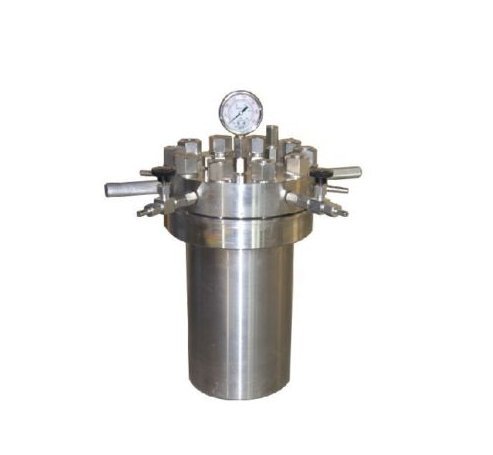
Figure 3.1: Assembled Huanyu Hydrothermal Synthesis Reactor. This image shows the complete reactor unit, highlighting its compact and robust design.

Figure 3.2: Reactor lid and sealing components. This image details the top part of the reactor, including the bolts and sealing mechanism that secure the lid to the main body.

Figure 3.3: Disassembled reactor components. This image displays the separate stainless steel outer vessel and the PTFE inner liner, illustrating how they fit together.
Key Components:
- Stainless Steel Outer Vessel: Provides structural integrity and withstands high pressure.
- PTFE Inner Liner: Chemically resistant chamber for reaction mixtures.
- Sealing Lid: Secures the reactor and ensures a gas-tight seal.
- Bolts/Clamps: Used to tighten the lid onto the vessel.
4. Setup
- Inspection: Before first use and prior to each experiment, carefully inspect all components (outer vessel, PTFE liner, lid, bolts) for any signs of damage, cracks, or wear. Do not use if any damage is observed.
- Cleaning: Clean the PTFE inner liner and the inside of the stainless steel vessel with appropriate solvents or distilled water, then dry thoroughly.
- Sample Loading: Place your reaction mixture into the PTFE inner liner. Ensure the total volume of the mixture does not exceed 80% of the liner's capacity to allow for thermal expansion and gas generation.
- Liner Placement: Carefully insert the filled PTFE liner into the stainless steel outer vessel. Ensure it sits flat at the bottom.
- Sealing: Place the lid onto the outer vessel, aligning it correctly. Tighten the bolts evenly and securely in a cross-pattern to ensure a uniform, gas-tight seal. Do not overtighten, but ensure sufficient torque to prevent leaks under pressure.
- Placement: Position the sealed reactor in the desired heating apparatus (e.g., drying oven, heating mantle, oil bath) in a stable and secure manner.
5. Operating Instructions
- Heating: Gradually increase the temperature of the heating apparatus to the desired reaction temperature. Monitor the temperature carefully. The maximum operating temperature is 350℃.
- Reaction Time: Maintain the desired temperature for the specified reaction duration.
- Cooling: After the reaction is complete, turn off the heating apparatus. Allow the reactor to cool naturally to room temperature. Do not force cool the reactor (e.g., by placing it in cold water) as this can cause dangerous pressure differentials and damage the equipment.
- Pressure Release: Once the reactor has cooled completely to room temperature, slowly and carefully loosen the bolts in a cross-pattern to release any residual pressure. Listen for any hissing sounds, indicating pressure release. If pressure is still present, wait longer for cooling.
- Opening: Once all pressure is released, fully remove the bolts and carefully lift the lid. Remove the PTFE liner to retrieve your sample.
Important: Always ensure the reactor is at ambient temperature and atmospheric pressure before opening. Opening a pressurized or hot reactor is extremely dangerous.
6. Maintenance
- Cleaning: After each use, thoroughly clean the PTFE inner liner and the stainless steel outer vessel. Use appropriate cleaning agents that are compatible with the materials. Rinse with distilled water and dry completely.
- Inspection: Regularly inspect the PTFE liner for any signs of degradation, cracks, or deformation. Replace the liner if any damage is observed. Check the stainless steel vessel for corrosion, pitting, or structural damage.
- Bolt Maintenance: Ensure the bolts are clean and free from corrosion. If necessary, apply a thin layer of high-temperature lubricant to the threads to prevent seizing.
- Storage: Store the reactor in a clean, dry place at room temperature. It is recommended to store the PTFE liner separately or loosely inside the vessel to prevent long-term compression deformation.
7. Troubleshooting
| Problem | Possible Cause | Solution |
|---|---|---|
| Leakage during heating | Lid not tightened evenly; damaged PTFE liner; foreign material on sealing surface. | Ensure bolts are tightened evenly in a cross-pattern. Inspect and replace PTFE liner if damaged. Clean sealing surfaces thoroughly. |
| Difficulty opening after cooling | Residual pressure; bolts seized. | Ensure reactor is fully cooled to room temperature. Loosen bolts slowly. If bolts are seized, apply penetrating oil and allow time to work. |
| PTFE liner deformation | Overheating; exceeding fill volume; prolonged use at high temperatures. | Adhere to maximum temperature and fill volume limits. Replace deformed liner. |
| Unexpected pressure build-up | Reaction generating excessive gas; overfilling. | Ensure proper ventilation. Do not exceed 80% fill volume. Review reaction chemistry for gas generation. |
8. Specifications
- Model: L-361
- Capacity: 3L (3000ml)
- Maximum Operating Temperature: 350℃
- Maximum Operating Pressure: 22MPa (3190 psi)
- Material (Outer Vessel): Stainless Steel
- Material (Inner Liner): PTFE (Polytetrafluoroethylene)
- Available Volumes (Customized): 25ml, 50ml, 100ml, 200ml, 250ml, 300ml, 500ml, 1000ml, 2000ml (This specific model is 3000ml)
- Manufacturer: Huanyu
- Part Number: L-361
9. Warranty & Support
Specific warranty information for the Huanyu Hydrothermal Synthesis Reactor (Model L-361) is not provided in this manual. Please refer to your purchase documentation or contact your supplier for details regarding warranty coverage and terms.
For technical support, spare parts, or service inquiries, please contact Huanyu customer service or your authorized distributor. Provide your product model number (L-361) and purchase date when seeking assistance.


