
1. Introduction
This manual provides essential information for the safe and correct installation, operation, and maintenance of your DB Electrical 410-44135 Starter. Please read these instructions thoroughly before attempting any installation or service. Retain this manual for future reference.
2. Safety Information
Always observe the following safety precautions to prevent injury or damage:
- Disconnect the vehicle's battery before beginning any work on the electrical system to prevent electrical shock or short circuits.
- Wear appropriate personal protective equipment (PPE), including safety glasses and gloves.
- Ensure the vehicle is on a stable, level surface and properly supported if lifted.
- Refer to your vehicle's service manual for specific procedures and torque specifications.
- Keep children and unauthorized personnel away from the work area.
- This product contains chemicals known to the State of California to cause cancer and birth defects or other reproductive harm (Proposition 65 warning). Handle with care and wash hands after handling.
3. Product Overview
The DB Electrical 410-44135 is an aftermarket starter designed to meet OEM specifications for various applications. It is a 12-volt, 9-tooth, 1.2 KW Direct Drive (DD) starter with clockwise rotation.
3.1. Key Components
- Solenoid: Engages the starter drive and supplies power to the motor.
- Motor: Provides rotational force to crank the engine.
- Drive Gear (Pinion): Engages with the engine's flywheel to start the engine.
- Mounting Flange: Secures the starter to the engine block.
3.2. Visual Reference
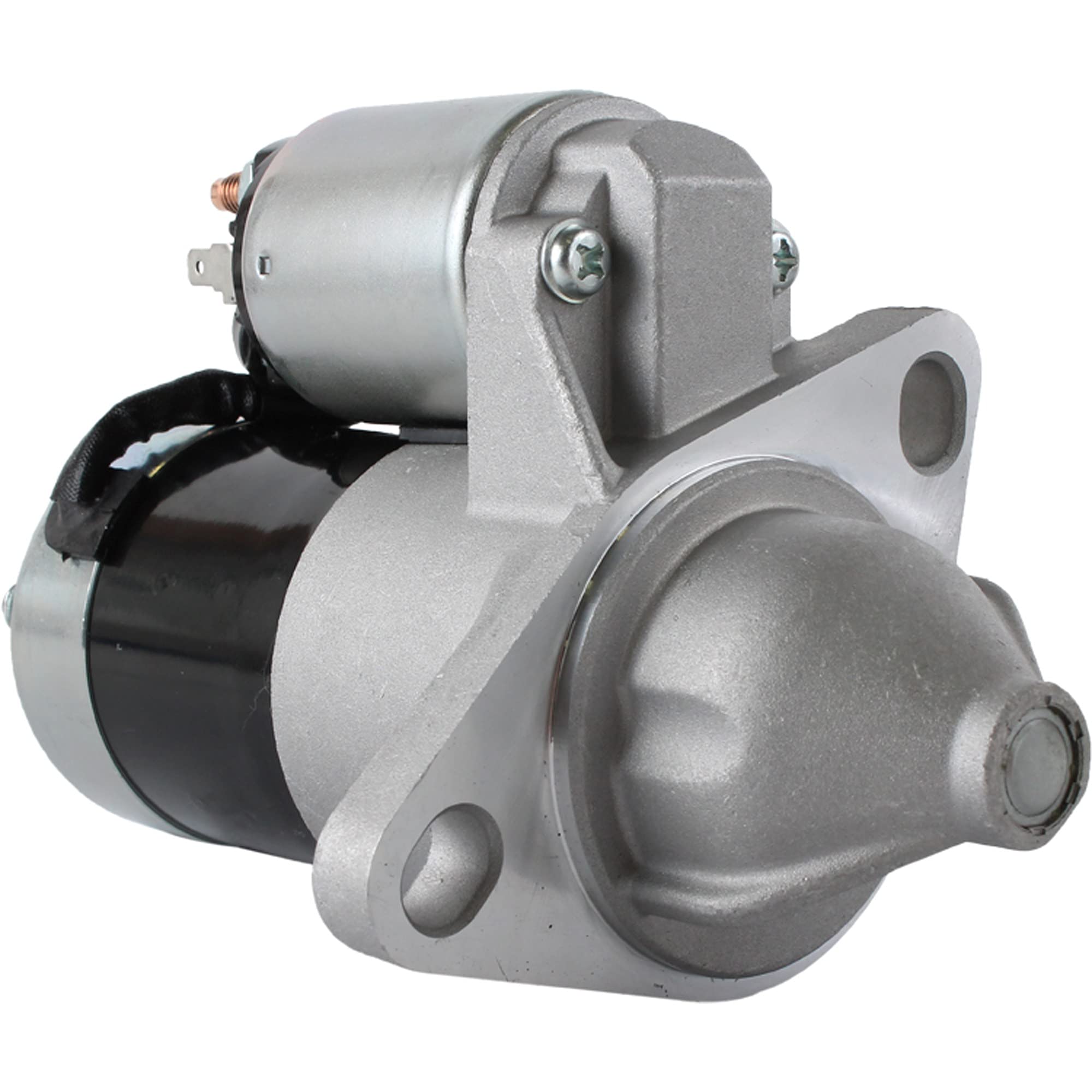
Figure 1: Side view of the DB Electrical 410-44135 Starter, showing the solenoid, motor, and mounting points.

Figure 2: Angled view of the starter, highlighting the electrical terminals and rear casing.
4. Compatibility
This starter is compatible with the following vehicle models. Always verify the part fits your specific application before installation.
- Atlas: 404 (1995-1999)
- Ford: 1310 (1983-1986), 1510 (1983-1986), CL25 (1983-1986)
- New Holland: 1310 (1983-1986), 1510 (1983-1986), CL25 (1983-1986)
Replaces OEM Numbers:
- API Marine: 17031
- Arrowhead: SHI0101, 243-12120, S114-381N
- Cargo: 110552
- Ford: SBA18508-6321
- Hitachi: S114-381
- Ishikawajima: 18508-6321
- J & N: 410-44135
- JCB: 02/630500
- Lester: 17300
- New Holland: SBA18508-6321
- O&K (Orenstein & Koppel): 1447724
- ONAN: 185-2166
- PEL JOB: E185086321
- Perkins: 185086321
- Schaeff INC: 5568656721, 5999999561
- Weidemann: 5747001132, 5747001133, 5747086321
- Zeppelin: 9SX9766
5. Installation
Installation of the starter requires mechanical aptitude and basic tools. If you are unsure about any step, consult a qualified mechanic.
- Prepare the Vehicle:
- Ensure the vehicle is turned off and the parking brake is engaged.
- Disconnect the negative (-) battery cable first, then the positive (+) battery cable.
- If necessary, lift the vehicle using a jack and secure it with jack stands.
- Locate the Old Starter: Identify the existing starter motor on your vehicle. It is typically mounted to the engine block near the transmission.
- Disconnect Wiring:
- Carefully disconnect the main battery cable from the starter solenoid terminal.
- Disconnect the smaller ignition switch wire from the solenoid. Note the position of each wire for correct reinstallation.
- Remove Mounting Bolts: Remove the bolts securing the old starter to the engine block. Support the starter as you remove the last bolt to prevent it from falling.
- Remove Old Starter: Carefully maneuver and remove the old starter from its mounting location.
- Install New Starter:
- Position the new DB Electrical 410-44135 starter into place.
- Align the mounting holes and hand-tighten the mounting bolts.
- Once aligned, tighten the mounting bolts to the manufacturer's specified torque (refer to your vehicle's service manual).
- Reconnect Wiring:
- Reconnect the ignition switch wire to the appropriate solenoid terminal.
- Reconnect the main battery cable to the main solenoid terminal. Ensure all connections are clean and secure.
- Reconnect Battery: Reconnect the positive (+) battery cable, then the negative (-) battery cable.
- Test Operation: Attempt to start the vehicle. Listen for proper starter engagement and engine cranking.
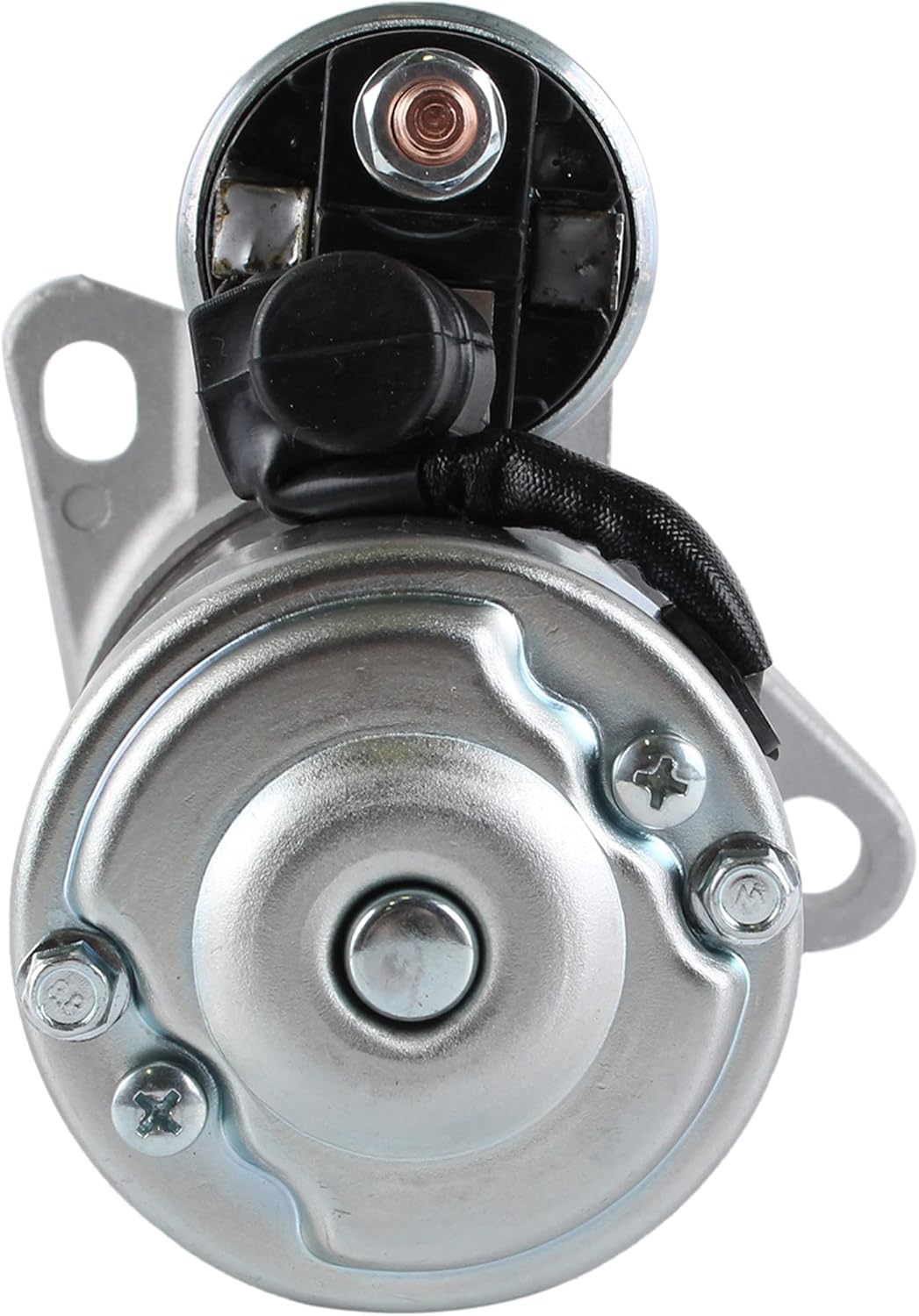
Figure 3: Rear view of the starter, showing the electrical connection points for the battery cable and ignition wire.

Figure 4: Front view of the starter, displaying the drive gear (pinion) which engages with the engine's flywheel.
6. Operation
The starter motor is an integral part of your vehicle's starting system. When the ignition key is turned to the "START" position, electrical current flows to the starter solenoid. The solenoid then engages the starter drive gear with the engine's flywheel and simultaneously sends power to the starter motor. The motor rotates the flywheel, cranking the engine until it starts. Once the engine starts, the ignition key should be released, and the starter disengages from the flywheel.
Avoid prolonged cranking (more than 10-15 seconds) to prevent overheating the starter. Allow a brief cool-down period between starting attempts.
7. Maintenance
The DB Electrical 410-44135 Starter is designed for minimal maintenance. However, periodic checks can help ensure its longevity and reliable operation:
- Inspect Connections: Periodically check all electrical connections to the starter for corrosion or looseness. Clean any corrosion and tighten connections as needed.
- Battery Condition: Ensure your vehicle's battery is in good condition and fully charged. A weak battery can put excessive strain on the starter.
- Cable Integrity: Inspect battery cables and starter cables for fraying, cracks, or damage. Replace damaged cables promptly.
8. Troubleshooting
If you experience issues with your starter, consider the following common problems and solutions:
| Symptom | Possible Cause | Solution |
|---|---|---|
| Starter clicks but engine does not crank. | Weak battery, loose battery cables, faulty solenoid, or seized engine. | Check battery charge and terminals. Inspect battery cables. If battery is good, test solenoid or starter motor. |
| Starter cranks slowly. | Low battery charge, corroded battery terminals, or high resistance in starter circuit. | Charge or replace battery. Clean battery terminals. Inspect starter cables for corrosion or damage. |
| Starter spins but engine does not crank. | Faulty starter drive (bendix) or damaged flywheel teeth. | Inspect starter drive gear and flywheel for damage. Replacement of starter may be necessary. |
| No response when turning ignition key. | Dead battery, faulty ignition switch, blown fuse, or open circuit in starter wiring. | Check battery voltage. Inspect fuses related to starting system. Test ignition switch. Verify all wiring connections. |
If troubleshooting steps do not resolve the issue, it is recommended to consult a professional mechanic.
9. Specifications
| Feature | Specification |
|---|---|
| Unit Type | Starter |
| Voltage | 12 Volts |
| Rotation | Clockwise (CW) |
| Teeth | 9 |
| Power (KW) | 1.2 KW |
| Starter Type | Direct Drive (DD) |
| Item Weight | 7.65 pounds |
| Product Dimensions (L x W x H) | 9.5 x 5.5 x 5.5 inches |
| Manufacturer Part Number | 410-44135 |
| UPC | 701485503160 |
10. Warranty and Support
DB Electrical provides a 1-year warranty on this product from the date of purchase. This warranty covers defects in materials and workmanship under normal use. If the product fails within one year of your order, DB Electrical will replace it.
For warranty claims, technical assistance, or support, please contact DB Electrical customer service. Refer to your purchase documentation for contact details or visit the official DB Electrical website.
Note: The warranty does not cover damage caused by improper installation, misuse, neglect, accident, or unauthorized modification.