
1. Introduction and Safety Information
This manual provides essential information for the safe and efficient operation, maintenance, and troubleshooting of your Holzmann BT1220 Belt and Disc Sander. Please read and understand all instructions before operating the machine. Keep this manual for future reference.
1.1 Intended Use
The Holzmann BT1220 is designed for sanding wood, plastics, and similar materials using both a sanding belt and a sanding disc. It is intended for use in workshops and by skilled individuals. Any other use is considered improper and may lead to hazards.
1.2 General Safety Warnings
- Always wear appropriate personal protective equipment (PPE), including safety glasses, hearing protection, and a dust mask.
- Ensure the work area is clean, well-lit, and free from obstructions.
- Keep children and bystanders away from the operating machine.
- Do not operate the sander in damp or wet conditions.
- Always disconnect the power supply before making adjustments, changing accessories, or performing maintenance.
- Securely fasten the workpiece before sanding. Never sand freehand.
- Do not force the tool. Allow the machine to work at its intended speed.
- Regularly inspect the power cord for damage.
2. Product Overview
The Holzmann BT1220 is a versatile sanding machine featuring both a belt sanding unit and a disc sanding unit. This combination allows for a wide range of sanding tasks, from rough material removal to fine finishing.
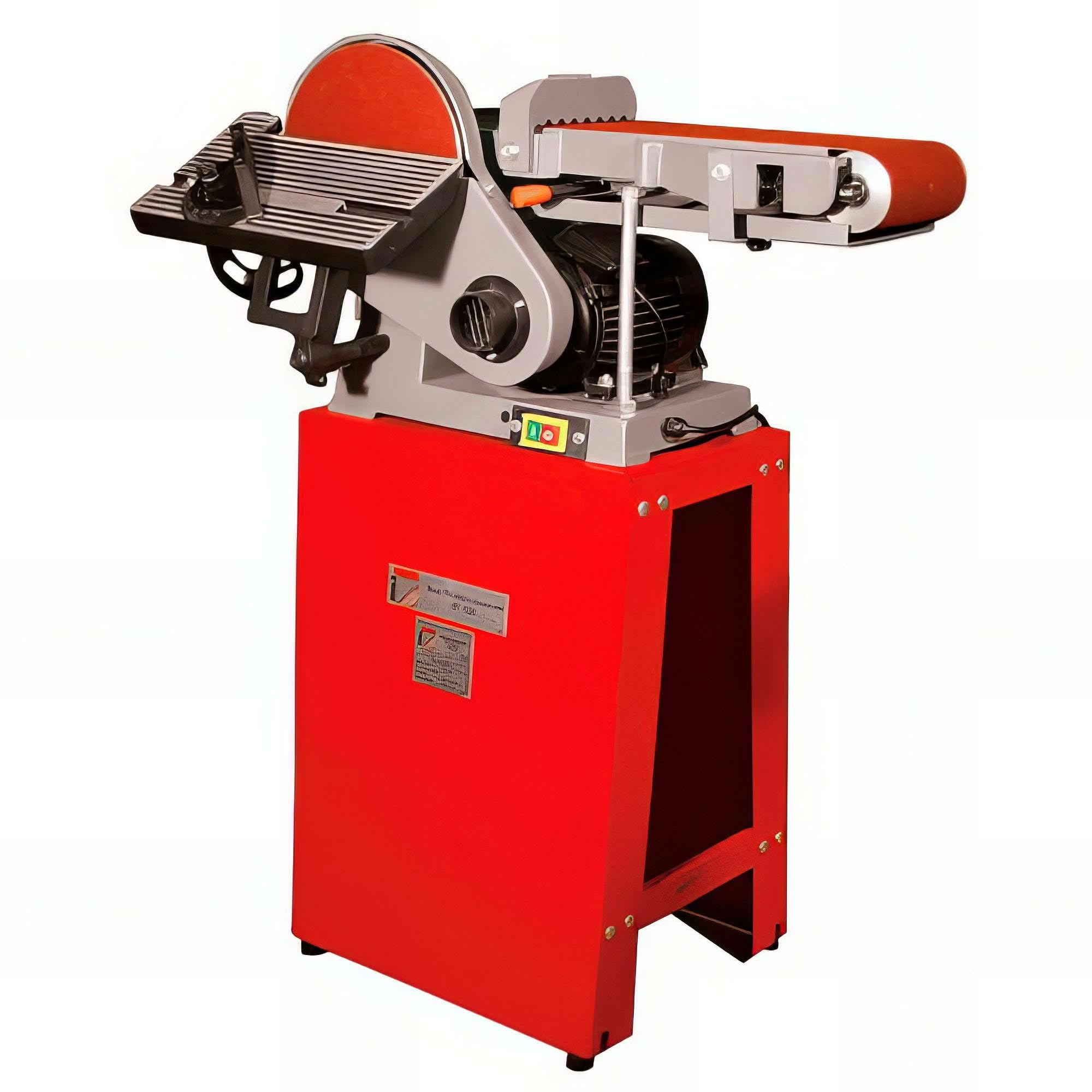
Figure 1: Holzmann BT1220 Belt and Disc Sander. This image shows the complete sanding machine with both the belt and disc sanding units visible, ready for operation.
2.1 Key Components
- Sanding Belt Unit: For linear sanding operations.
- Sanding Disc Unit: For face sanding and shaping.
- Work Table: Adjustable table for supporting workpieces during disc sanding.
- Motor: Powers both sanding units.
- On/Off Switch: For controlling power to the machine.
3. Setup
3.1 Unpacking and Assembly
- Carefully remove all components from the packaging.
- Inspect for any shipping damage. Report any damage immediately to your supplier.
- Assemble any detached components according to the diagrams in the separate assembly guide (if provided). Ensure all fasteners are securely tightened.
- Mount the sander on a stable workbench or stand, ensuring it is securely bolted down to prevent movement during operation.
3.2 Electrical Connection
- Ensure the power supply matches the machine's requirements (230V).
- Connect the machine to a properly grounded electrical outlet.
- Do not use extension cords unless absolutely necessary, and ensure they are rated for the machine's power requirements.
4. Operating Instructions
Before starting, ensure all safety guards are in place and the workpiece is properly secured.
4.1 Belt Sanding Operation
- Select the appropriate grit sanding belt for your task.
- Adjust the belt unit to the desired angle (horizontal or vertical).
- Turn on the machine using the On/Off switch.
- Gently bring the workpiece into contact with the moving sanding belt. Apply even, moderate pressure.
- Move the workpiece smoothly across the belt to ensure even material removal and prevent gouging.
- When finished, turn off the machine and wait for the belt to stop completely before removing the workpiece.
4.2 Disc Sanding Operation
- Attach the desired grit sanding disc to the disc plate.
- Adjust the work table to the desired angle relative to the sanding disc.
- Turn on the machine.
- Present the workpiece to the sanding disc, always on the downward-rotating side of the disc (left side for most setups) to prevent the workpiece from being thrown.
- Use the work table to support the workpiece and guide it smoothly across the disc.
- Turn off the machine and allow the disc to stop before removing the workpiece.
5. Maintenance
Regular maintenance ensures the longevity and safe operation of your sander. Always disconnect the power before performing any maintenance.
5.1 Cleaning
- After each use, clean dust and debris from the machine using a brush or vacuum cleaner.
- Ensure ventilation openings are clear to prevent overheating.
- Do not use solvents or harsh chemicals that could damage plastic parts or paint.
5.2 Replacing Sanding Belts and Discs
- Belt Replacement: Release the belt tensioning lever, remove the old belt, and install a new one, ensuring it is centered and tensioned correctly.
- Disc Replacement: Peel off the old adhesive disc and apply a new one, aligning it carefully with the disc plate.
- Always use sanding belts and discs of the correct size and type for the machine.
6. Troubleshooting
Before attempting any repairs, always disconnect the power supply.
| Problem | Possible Cause | Solution |
|---|---|---|
| Machine does not start | No power supply; Faulty switch; Damaged power cord. | Check power connection and circuit breaker; Inspect power cord; Contact qualified service personnel. |
| Excessive vibration | Loose mounting bolts; Unbalanced sanding belt/disc; Worn bearings. | Tighten mounting bolts; Replace sanding belt/disc; Contact qualified service personnel. |
| Poor sanding performance | Worn sanding belt/disc; Incorrect grit for material; Excessive pressure. | Replace sanding belt/disc; Use appropriate grit; Reduce pressure. |
7. Specifications
| Feature | Value |
|---|---|
| Model | BT1220 |
| Motor Power (S1) | 750 W |
| Motor Power (S6) | 1125 W |
| Voltage | 230 V |
| Spindle Speed | 1400 min-1 (RPM) |
| Sanding Belt Dimensions | 1220 x 150 mm |
| Sanding Disc Diameter | 228 mm |
| Table Dimensions | 310 x 190 mm |
| Product Dimensions (L x W x H) | 60 x 60 x 85 cm |
| Net Weight | 51 kg |
| Gross Weight | 52 kg |
8. Warranty and Support
For warranty information, technical support, or spare parts, please contact your authorized Holzmann dealer or the manufacturer directly. Keep your purchase receipt as proof of purchase.


