1. Introduction
This manual provides essential instructions for the safe and efficient setup, operation, and maintenance of your Yamaha EF7200D 7200-watt generator. Please read this manual thoroughly before operating the generator to ensure proper use and to prevent injury or damage.

Image 1.1: Front view of the Yamaha EF7200D generator.
2. Safety Information
Always prioritize safety when operating the generator. Failure to follow safety instructions can result in serious injury or death. Keep this manual accessible for future reference.
- Operate the generator outdoors in a well-ventilated area to prevent carbon monoxide poisoning.
- Keep children and pets away from the generator during operation.
- Do not operate the generator in rain or wet conditions.
- Ensure proper grounding before use.
- Turn off the engine and allow it to cool before refueling.
3. Setup and Assembly
The Yamaha EF7200D generator comes equipped with wheels and fold-down/locking handles for portability. Follow these steps for initial setup:
- Unpacking: Carefully remove the generator from its packaging. Inspect for any shipping damage.
- Wheel Installation: Attach the wheels to the generator frame as per the included hardware instructions.
- Handle Assembly: Install the fold-down handles. Ensure they are securely locked in the upright position for transport or folded down for storage.
- Add Engine Oil: Fill the engine with the recommended type and amount of engine oil. Refer to the oil fill cap or engine specifications for details. Do not overfill.
- Add Fuel: Fill the fuel tank with fresh, unleaded gasoline. The tank volume is 6.9 gallons. Do not overfill and ensure the fuel cap is securely tightened.
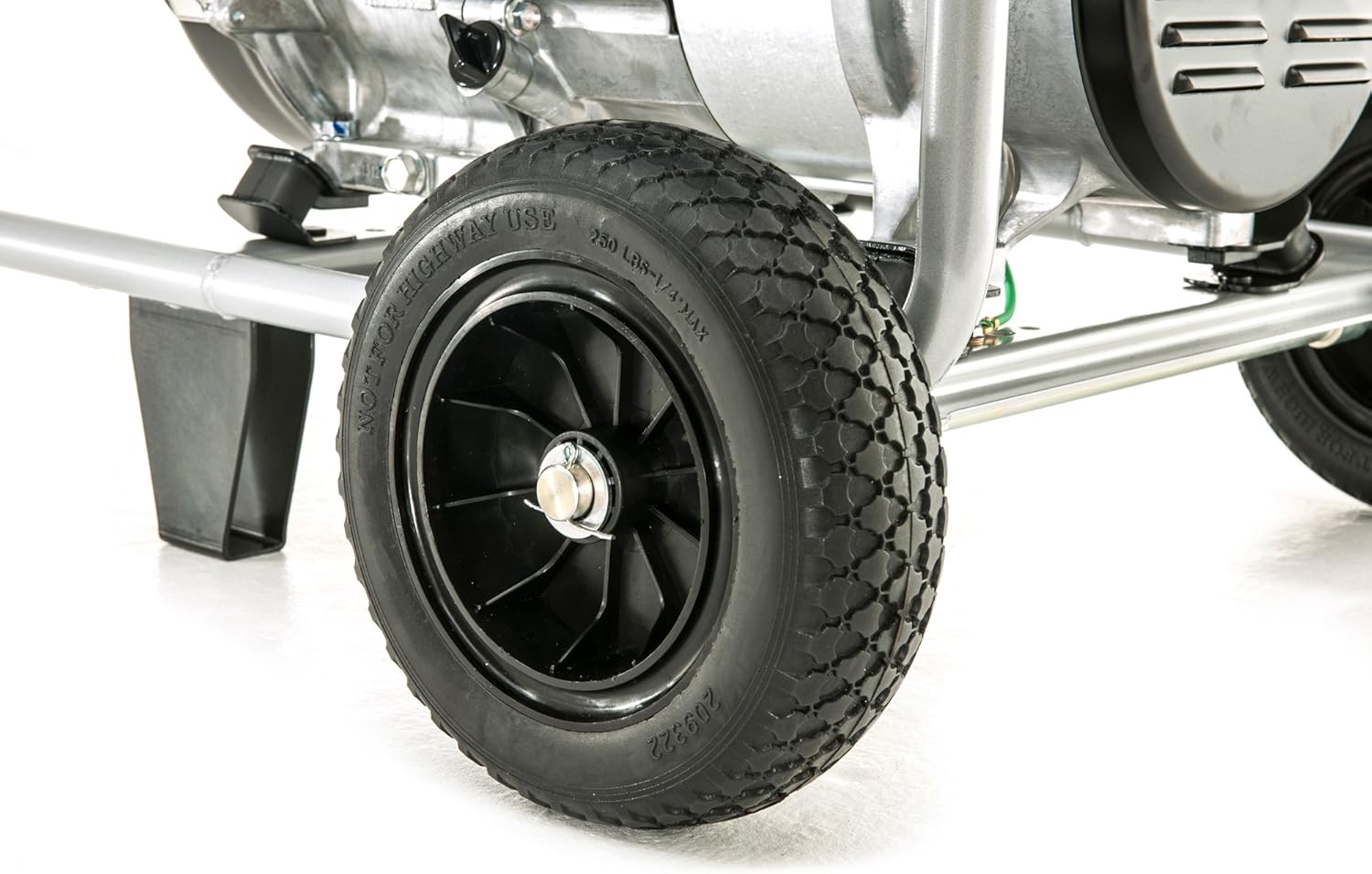
Image 3.1: Detail of the generator wheel.

Image 3.2: Generator with handles in the extended position.

Image 3.3: Fuel cap location on the generator.
4. Operating Instructions
The EF7200D features a manual recoil start system with auto decompression for easier starting.
4.1 Control Panel Overview
Familiarize yourself with the control panel before starting the generator.

Image 4.1: The generator control panel, showing outlets, circuit breakers, and meters.
- Volt/Hour Meter: Displays voltage output and total accumulated run time for servicing.
- AC Outlets: Various 120V and 240V outlets for connecting electrical devices.
- Circuit Breakers: Protect the generator from overload.
- Engine Switch: Controls engine ignition.
- Fuel Gauge: Indicates the fuel level in the tank.
4.2 Starting the Generator
- Ensure the generator is on a level surface and all electrical loads are disconnected.
- Open the fuel valve.
- Move the choke lever to the 'CHOKE' position (if the engine is cold).
- Turn the engine switch to the 'ON' position.
- Firmly pull the recoil starter handle until the engine starts. The auto decompression feature assists with easier pulling.
- Once the engine starts, gradually move the choke lever to the 'RUN' position.
- Allow the engine to warm up for a few minutes before connecting electrical loads.

Image 4.2: Manual recoil start in progress.
4.3 Stopping the Generator
- Disconnect all electrical loads from the generator.
- Turn the engine switch to the 'OFF' position.
- Close the fuel valve for storage.
5. Maintenance
Regular maintenance is crucial for the longevity and reliable operation of your generator. The digital hour meter helps track run time for scheduled servicing.
- Oil Changes: Change engine oil after the first 20 hours of operation, then every 100 hours or annually, whichever comes first.
- Air Filter: Inspect and clean the air filter regularly. Replace if damaged.
- Spark Plug: Inspect and clean the spark plug every 100 hours. Replace if necessary.
- Fuel System: Drain the fuel system if storing the generator for an extended period (over 30 days) to prevent fuel degradation.
- General Cleaning: Keep the generator clean and free of debris.
6. Troubleshooting
This section provides solutions to common operational issues. For problems not listed here, contact authorized service personnel.
- Engine Does Not Start: Check fuel level, engine oil level, spark plug condition, and ensure the engine switch is 'ON' and choke is set correctly.
- No Power Output: Check circuit breakers on the control panel. Ensure all connections are secure.
- Engine Runs Poorly: Inspect air filter for clogs, check spark plug, and ensure fresh fuel is used.
7. Specifications
| Feature | Specification |
|---|---|
| Brand | Yamaha |
| Model Name | EF7200D |
| Running Wattage | 7200 Watts |
| Starting Wattage | 8000 Watts |
| Fuel Type | Gasoline |
| Power Source | Fuel Powered |
| Ignition System Type | Manual |
| Tank Volume | 6.9 Gallons |
| Engine Displacement | 418 Cubic Centimeters |
| Item Weight | 212 Pounds |
| Product Dimensions (L x W x H) | 29.1 x 28.4 x 31.5 inches |
8. Warranty and Support
8.1 Warranty Information
The Yamaha EF7200D generator comes with a 3-year industrial and residential warranty. This warranty provides coverage for defects in materials and workmanship under normal use. Please retain your proof of purchase for warranty claims.
8.2 Customer Support
For technical assistance, parts, or warranty service, please contact Yamaha customer support through their official website or authorized service centers. Refer to the contact information provided with your purchase documentation.