
1. Product Overview
The NTK 24466 Oxygen Sensor is engineered for precise monitoring of exhaust gas oxygen levels. This sensor plays a critical role in your vehicle's engine management system, ensuring optimal fuel efficiency and reduced emissions. Each NTK sensor is designed specifically for an OEM application, featuring precise wire length, protective sleeve material, grommets, clips, and protection tube design. NTK continuously develops sensor technologies to integrate with advanced vehicle computer components.

Image 1.1: The NTK 24466 Oxygen Sensor, a critical component for engine performance.
Key Features
- OEM Specific Design: NTK O2 sensors are designed specifically for OEM applications, ensuring a perfect fit and function.
- Easy Installation: Supplied with a factory-fitted OE connector for straightforward installation.
- Optimized Performance: Helps optimize emissions and fuel economy by providing accurate oxygen readings to the engine control unit.
- Quality and Reliability: Extensively tested during manufacturing to guarantee quality and reliability.
- Vehicle Compatibility: Refer to Amazon confirmed fit or your vehicle's service manual to verify the correct upstream, downstream, bank 1, or bank 2 position for your specific vehicle.

Image 1.2: Illustration highlighting key features and design advantages of NTK Oxygen Sensors, including dual-coated platinum element, water-resistant connector, protective sheathings, 3-stage element overcoat, fast light-off times, and pure alumina ceramic.
2. Safety Information
Always prioritize safety when working on your vehicle. Improper installation or handling of automotive components can lead to injury or damage. If you are unsure about any step, it is recommended to seek assistance from a qualified automotive technician.
- Engine Temperature: Ensure the engine is cool before beginning any work to avoid burns from hot exhaust components.
- Electrical System: Disconnect the vehicle's battery before starting installation to prevent electrical shorts or shocks.
- Eye Protection: Always wear appropriate eye protection.
- Gloves: Wear gloves to protect your hands from grease, dirt, and sharp edges.
- Vehicle Support: If lifting the vehicle, ensure it is securely supported by jack stands on a level surface. Never rely solely on a jack.
3. Before Installation
Before proceeding with the installation of your new NTK 24466 Oxygen Sensor, please ensure the following:
- Verify Compatibility: Confirm that the NTK 24466 sensor is the correct part for your specific vehicle's make, model, year, and engine. Consult your vehicle's service manual or a reliable parts catalog.
- Identify Sensor Location: Determine the exact location of the oxygen sensor you are replacing (e.g., upstream, downstream, bank 1, bank 2).
- Gather Tools: Collect all necessary tools, which typically include an oxygen sensor socket or wrench, ratchet, extension, torque wrench, and possibly a wire brush or penetrating oil.
- Inspect New Sensor: Carefully inspect the new NTK sensor for any visible damage or defects.
4. Installation Instructions
Follow these general steps for installing the NTK 24466 Oxygen Sensor. Specific procedures may vary by vehicle, so always refer to your vehicle's service manual for detailed instructions.
- Prepare Vehicle: Park the vehicle on a level surface, engage the parking brake, and ensure the engine is cool. Disconnect the negative terminal of the vehicle's battery.
- Locate Old Sensor: Identify the oxygen sensor to be replaced. It is typically threaded into the exhaust pipe or manifold.
- Disconnect Electrical Connector: Carefully disconnect the electrical connector from the old oxygen sensor. Be gentle to avoid damaging the wiring or connector clips.
- Remove Old Sensor: Use an oxygen sensor socket or wrench to loosen and remove the old sensor. If the sensor is seized, apply penetrating oil and allow it to soak.
- Prepare New Sensor: The NTK 24466 Oxygen Sensor typically comes with anti-seize compound pre-applied to the threads. If not, apply a thin layer of high-temperature anti-seize compound to the threads of the new sensor, being careful not to get any on the sensor tip.
- Install New Sensor: Carefully thread the new NTK sensor into the exhaust bung by hand to prevent cross-threading. Once hand-tight, use the oxygen sensor socket or wrench to tighten it to the manufacturer's specified torque. Refer to your vehicle's service manual for the correct torque specification.
- Connect Electrical Connector: Reconnect the electrical connector to the new sensor, ensuring it clicks securely into place.
- Reconnect Battery: Reconnect the negative terminal of the vehicle's battery.
- Clear Diagnostic Trouble Codes (DTCs): If the Check Engine Light was on, use an OBD-II scanner to clear any stored diagnostic trouble codes.
- Test Drive: Start the engine and perform a short test drive to ensure proper operation and that the Check Engine Light does not reappear.
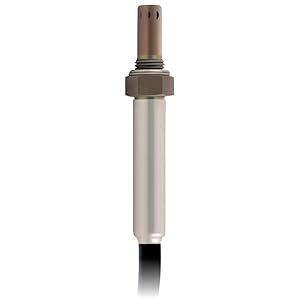
Image 4.1: A detailed view of the NTK Oxygen Sensor, showing the threaded portion and electrical connector.
5. Operation
The NTK 24466 Oxygen Sensor continuously measures the oxygen content in the exhaust gases. This information is sent to the vehicle's Engine Control Unit (ECU). The ECU uses these readings to adjust the air-fuel mixture for optimal combustion. A properly functioning oxygen sensor ensures:
- Efficient Fuel Consumption: Prevents the engine from running too rich (excess fuel) or too lean (insufficient fuel), maximizing fuel economy.
- Reduced Emissions: Helps the catalytic converter operate effectively by maintaining the ideal air-fuel ratio, thereby reducing harmful pollutants.
- Optimal Engine Performance: Contributes to smooth engine operation, consistent power delivery, and prevention of engine damage due to incorrect air-fuel mixtures.
6. Maintenance
Oxygen sensors are designed to be maintenance-free components. Their lifespan can vary depending on driving conditions, fuel quality, and overall engine health. While no routine maintenance is required for the sensor itself, monitoring its performance is part of general vehicle upkeep.
- Regular Diagnostics: Include oxygen sensor checks as part of your vehicle's routine diagnostic scans, especially if a Check Engine Light illuminates.
- Engine Health: Maintain your engine according to the manufacturer's recommendations. Issues like excessive oil consumption, coolant leaks, or misfires can contaminate and shorten the life of an oxygen sensor.
- Fuel Quality: Using high-quality fuel can help prevent deposits that might affect sensor accuracy.
7. Troubleshooting
A failing oxygen sensor can manifest in several ways. If you experience any of the following symptoms, it may indicate an issue with your oxygen sensor:
- Check Engine Light: This is the most common indicator. An OBD-II scanner can retrieve specific trouble codes (DTCs) related to oxygen sensor performance.
- Reduced Fuel Economy: An inaccurate sensor can cause the engine to run rich, leading to increased fuel consumption.
- Increased Emissions: Failure to maintain the correct air-fuel ratio can result in higher levels of pollutants in the exhaust.
- Rough Idling or Engine Hesitation: While less common, a severely faulty sensor can affect engine smoothness.
- Failed Emissions Test: A malfunctioning oxygen sensor is a common reason for failing an emissions inspection.
If you suspect an oxygen sensor issue, it is recommended to have your vehicle diagnosed by a professional technician. They can accurately test the sensor and determine if replacement is necessary.
8. Specifications
| Specification | Value |
|---|---|
| Brand | NTK |
| Model Number | 24466 |
| Item Dimensions (L x W x H) | 11.75 x 1 x 1 inches |
| Material | Metal or High-Performance Plastic |
| Item Weight | 0.18 Pounds |
| Measurement Accuracy | ±1.5% |
| Mounting Type | Flange Mount |
| Output Type | Push-Pull |
| Sensing Distance | 11.75 Inches |
| Specific Uses For Product | Oxygen Sensor |
| UPC | 087295244661 |
| Manufacturer | NGK |
| Part Number | 24466 |
| Included Components | Oxygen Sensor, Installation Instructions |
| Unit Count | 1.0 Count |
9. Warranty and Support
The NTK 24466 Oxygen Sensor comes with a 60-day warranty from the manufacturer, NGK. This warranty typically covers defects in materials and workmanship under normal use and service.
For warranty claims, technical assistance, or product support, please contact NTK customer service directly. Keep your purchase receipt and any relevant product information handy when contacting support.
For additional information or to explore other NTK products, you may visit the official NTK website or consult authorized distributors.