
1. Introduction
This manual provides essential instructions for the safe and effective use of your Omron HEM 6131 Fully Automatic Wrist Type Digital Blood Pressure Monitor. Please read this manual thoroughly before use and keep it for future reference. This device is designed for home use to measure blood pressure and pulse rate on the wrist.
2. Product Overview
Key Features
- Intellisense Technology for comfortable and accurate measurements.
- Memory for 60 sets of readings with date and time.
- Body movement detection to ensure measurement accuracy.
- Blood Pressure Level Indicator for easy interpretation of results.
- Displays average of last 3 readings.
- Irregular heartbeat detection.
- Positioning Sensor and Cuff Wrapping Guide for correct cuff placement.
Product Illustration
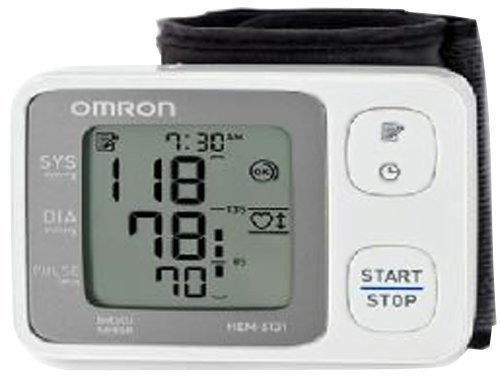
Image Description: A compact digital blood pressure monitor designed for wrist use. The device features a clear LCD display, a wrist cuff, and control buttons. It is shown from a slight angle, highlighting its portable design.
Included Components
- Main Unit (Omron HEM 6131)
- Wrist Cuff (fits wrist circumference 13.5-21.5 cm)
- 2 AAA Batteries
- Instruction Manual (this document)
3. Setup
3.1 Battery Installation
- Open the battery cover located on the back of the monitor.
- Insert the two AAA batteries, ensuring the correct polarity (+/-) as indicated inside the battery compartment.
- Close the battery cover securely.
Note: Replace batteries when the low battery indicator appears on the display. Always replace both batteries at the same time with new ones.
3.2 Setting Date and Time
Refer to the specific instructions in the printed manual for setting the date and time, as this ensures accurate recording of measurement data.
4. Operating Instructions
4.1 Taking a Measurement
For accurate readings, follow these steps:
- Prepare for Measurement: Sit in a chair with your feet flat on the floor. Relax for 5 minutes before taking a measurement. Avoid eating, drinking alcohol, smoking, or exercising for at least 30 minutes prior.
- Apply the Cuff: Wrap the wrist cuff firmly around your left wrist. Ensure the monitor's display is on the inside of your wrist, facing upwards. The cuff should be snug but not overly tight. Use the Cuff Wrapping Guide feature to ensure correct application.
- Position Your Arm: Rest your elbow on a table and raise your wrist so that the monitor is at the same level as your heart. The Positioning Sensor will guide you to the correct height. An indicator on the display will confirm proper positioning.
- Start Measurement: Press the START/STOP button. The cuff will inflate automatically using Intellisense Technology, which ensures comfortable inflation to the optimal level.
- Remain Still: Do not talk or move during the measurement. The Body Movement Detection feature will alert you if excessive movement occurs, which may affect accuracy.
- View Results: Once the measurement is complete, your systolic pressure, diastolic pressure, and pulse rate will be displayed. The Blood Pressure Level Indicator will provide a visual cue regarding your blood pressure classification.
- Turn Off: Press the START/STOP button to turn off the monitor. The measurement will be automatically stored in memory.
4.2 Memory Function
- The monitor stores up to 60 sets of readings with date and time.
- It can also display the average of the last 3 readings taken within a 10-minute period.
- To view stored readings, refer to the detailed instructions in the printed manual.
5. Understanding Your Readings
5.1 Blood Pressure Components
- Systolic Pressure: The highest pressure when your heart beats.
- Diastolic Pressure: The lowest pressure when your heart rests between beats.
- Pulse Rate: The number of heartbeats per minute.
5.2 WHO Blood Pressure Classification
The World Health Organization (WHO) and the International Society of Hypertension (ISH) provide guidelines for blood pressure classification. Generally, normal blood pressure (normotension) is defined as less than 130 mmHg for systolic value (SBP) and less than 85 mmHg for diastolic value (DBP) when measured in a sitting position. Your monitor's Blood Pressure Level Indicator helps you understand where your reading falls within these classifications.
5.3 Irregular Heartbeat Detection
If the monitor detects an irregular heartbeat twice or more during a measurement, the irregular heartbeat symbol will appear on the display with the measurement values. If this symbol appears frequently, consult your doctor.
6. Maintenance and Care
6.1 Cleaning
- Clean the monitor and cuff with a soft, dry cloth.
- Do not use abrasive or volatile cleaners.
- Do not wash the cuff or immerse the monitor in water.
6.2 Storage
- Store the monitor in a clean, dry place, away from direct sunlight, extreme temperatures, and humidity.
- If not using the unit for an extended period, remove the batteries.
6.3 Battery Replacement
When the battery indicator appears on the display, replace both AAA batteries with new ones. Refer to section 3.1 for installation instructions.
7. Troubleshooting
- Inaccurate Readings: Ensure proper cuff placement and arm positioning at heart level. Avoid movement and talking during measurement. Rest for 5 minutes before measuring.
- Error Messages: If an error code appears, consult the detailed troubleshooting section in the printed manual for specific solutions. Common causes include improper cuff application or excessive movement.
- No Display: Check battery installation and ensure batteries are not depleted.
If problems persist, contact Omron customer support.
8. Specifications
| Specification | Value |
|---|---|
| Model | HEM-6131_Omron _AW |
| Time Display | AM/PM, 12 hours |
| Weight (without batteries) | 101g |
| Battery Life | 300 times (AAx4) - Note: Product uses 2 AAA batteries as per 'Batteries' spec. Please verify. |
| Wrist Cuff Circumference | 13.5-21.5 cm |
| Unit Size (W x H x L) | 78 x 60 x 21 mm |
| Product Dimensions | 120 x 125 x 165 cm |
| Item Weight | 260 g |
| Power Source | Battery Powered (2 AAA batteries included) |
| Display Type | Digital |
| Age Range | Adult |
| Manufacturer | Omron |
| Material Features | Durable |
9. Important Health Information
9.1 Why Measure Blood Pressure at Home?
Measuring blood pressure at home provides a more accurate picture of your typical blood pressure. Factors like anxiety during a doctor's visit (white-coat hypertension), physical activity, or time of day can influence readings. Regular home monitoring allows for consistent measurements under relaxed conditions, helping to identify trends and the effectiveness of treatments.
9.2 Importance of Home BP Monitoring
Home blood pressure monitoring is recommended by healthcare professionals for several reasons:
- White-coat Hypertension: High readings only in a clinical setting.
- Masked Hypertension: Normal readings in a clinical setting but high at home.
- Morning Hypertension: Blood pressure is higher in the morning.
Monitoring at home allows you to achieve a relaxed state and take measurements at various times, providing valuable data for your healthcare provider.
9.3 Understanding Why High Blood Pressure Is A Problem
Elevated blood pressure places increased load on blood vessels, potentially causing damage. This can lead to serious conditions such as stroke (internal bleeding in the brain) or ischemic heart disease (e.g., heart attack, angina) due to increased myocardial workload. Maintaining blood pressure within a normal range is crucial for preventing these health risks.
9.4 Dietary Keys To Reducing High Blood Pressure
- Fruits and Juices: Increase consumption of fruits (especially bananas) and whole grain cereals to balance potassium levels.
- Monounsaturated Fats: Incorporate olive oil and other sources of monounsaturated fats to potentially reduce the risk of high blood pressure.
- Omega-3 Fatty Acids: Increase intake of cold-water fish rich in omega-3s, known to reduce high blood pressure and lower cholesterol.
- Whole Oats: Regular consumption of whole oats can help control high blood pressure and positively affect cholesterol and blood sugar levels.
- Vitamin C: Increase intake of Vitamin C-rich foods, such as oranges, or consider a daily supplement to help combat high blood pressure.
9.5 Helpful Blood Pressure Reminders
- Have your blood pressure checked regularly by your doctor.
- Follow your doctor's advice regarding diet and lifestyle changes.
- Take prescribed medication regularly as directed by your doctor.
- Report any new symptoms to your doctor promptly.
- Measure and record your blood pressure at home regularly to provide valuable information to your doctor.
- Cooperate with your doctor to manage your blood pressure effectively.
10. Warranty and Support
10.1 Warranty Information
The Omron HEM 6131 Blood Pressure Monitor comes with a 5-year extended brand warranty from the date of purchase. To claim warranty services, the original invoice is mandatory. Please retain your purchase receipt.
10.2 Customer Support
For any questions, technical assistance, or warranty claims, please contact Omron customer support through their official website or the contact information provided in your product packaging.


