
Bosch 18039
BOSCH 18039 Premium OE Fitment Oxygen Sensor User Manual
Model: 18039 | Brand: Bosch
1. Product Overview
The Bosch 18039 Premium OE Fitment Oxygen Sensor is a critical component in your vehicle's emission control system. It measures the oxygen content in the exhaust gas, providing essential data to the engine control unit (ECU) to optimize fuel efficiency and reduce harmful emissions. This sensor is engineered for long-lasting, superior performance, meeting Bosch's rigorous quality standards.

Figure 1: Bosch 18039 Oxygen Sensor showing the sensor tip, wiring, and electrical connector, along with an included mounting clip.
2. Key Features
- Superior Performance: Benefits from decades of Bosch's technological and manufacturing experience, ensuring reliable and long-lasting operation.
- Factory Tested: Each sensor undergoes a full functional quality test to ensure it meets design specifications and rigorous performance standards.
- Durable Construction: Features a stainless steel body that is fully submersible and sealed to protect against damage from exhaust emissions, contributing to a longer service life.
- Fast-Acting Heater: Optimizes sensor operation on Planar and 3, 4, and 5 wire Thimble type sensors, allowing the oxygen sensor to reach its optimal operating temperature within seconds for peak performance.
- Easy Installation: Designed with true direct-fit OE type connectors and harnesses, including necessary gaskets or crush washers, for a simple and hassle-free installation process.
3. What's in the Box
Your package should contain the following item:
- One (1) Bosch 18039 Premium OE Fitment Oxygen Sensor
Note: Any additional installation hardware such as gaskets or crush washers are typically pre-attached or included with the sensor for direct fitment.
4. Installation Guide
Disclaimer: Installation of automotive components can be complex and may require specialized tools and knowledge. If you are not confident in your ability to perform this installation, it is recommended to seek assistance from a qualified automotive technician. Always refer to your vehicle's specific service manual for detailed instructions and safety precautions.
4.1. Safety Precautions
- Ensure the vehicle's engine is cool before beginning work to avoid burns.
- Disconnect the vehicle's battery to prevent electrical shorts.
- Wear appropriate personal protective equipment (PPE), including gloves and eye protection.
- Work in a well-ventilated area.
4.2. Required Tools (Typical)
- Oxygen sensor socket or wrench
- Ratchet
- Torque wrench
- Anti-seize compound (if not pre-applied to new sensor threads)
- Wire brush (for cleaning threads if necessary)
4.3. Installation Steps
- Locate the Sensor: Identify the oxygen sensor(s) that need replacement. Refer to your vehicle's service manual for exact locations (e.g., upstream, downstream).
- Disconnect Electrical Connector: Carefully disconnect the electrical connector from the old oxygen sensor. This may involve pressing a tab or sliding a lock.
- Remove Old Sensor: Use an oxygen sensor socket or wrench to loosen and remove the old sensor from the exhaust system. Be prepared for it to be tight, especially if it's been in place for a long time.
- Prepare New Sensor: Inspect the new Bosch sensor. Ensure the threads are clean and, if not pre-applied, apply a small amount of anti-seize compound to the threads (avoiding the sensor tip).
- Install New Sensor: Carefully thread the new sensor into the exhaust bung by hand to prevent cross-threading. Once hand-tight, use the oxygen sensor socket or wrench to tighten it to the manufacturer's specified torque. Do not overtighten.
- Connect Electrical Connector: Reconnect the electrical connector securely until it clicks into place. Ensure the wiring harness is routed correctly and secured with any provided clips (like the one shown in Figure 1) to prevent contact with hot exhaust components or moving parts.
- Clear Codes (if applicable): If a "Check Engine" light was on due to the faulty sensor, it may need to be cleared using an OBD-II scanner.
- Test Operation: Start the vehicle and check for any exhaust leaks or warning lights.

Figure 2: Top view of the Bosch 18039 Oxygen Sensor, highlighting the cable length and connector design for direct fitment.
5. Operation
The Bosch 18039 Oxygen Sensor continuously monitors the amount of oxygen in the exhaust gases after combustion. This information is sent to the vehicle's Engine Control Unit (ECU). The ECU uses this data to adjust the air-fuel mixture for optimal engine performance, fuel efficiency, and reduced emissions. A properly functioning oxygen sensor ensures your vehicle runs cleanly and efficiently.
6. Maintenance and Replacement
Oxygen sensors are wear-and-tear items and their performance degrades over time due to exposure to extreme temperatures and exhaust contaminants. It is critical that oxygen sensors are replaced at the suggested intervals provided by your vehicle manufacturer. Following these recommendations will:
- Prevent long-term damage to your vehicle's engine.
- Reduce harmful carbon dioxide (CO2) emissions.
- Improve fuel economy.
Common symptoms of a failing oxygen sensor include a "Check Engine" light, decreased fuel economy, increased emissions, rough idling, or engine hesitation.

Figure 3: Side view of the Bosch 18039 Oxygen Sensor, emphasizing the robust construction of the sensor tip and the sealed connector.
7. Troubleshooting
If you experience issues after installing the new oxygen sensor or suspect a sensor malfunction, consider the following:
- Check Engine Light Remains On: Ensure the electrical connector is fully seated. If the light persists, use an OBD-II scanner to retrieve diagnostic trouble codes (DTCs). The code will indicate if the issue is still with the oxygen sensor circuit or another component.
- Poor Fuel Economy/Performance: While a new sensor should improve these, other factors like spark plugs, fuel injectors, or air filters can also affect performance. Verify all connections are secure.
- Sensor Not Reading Correctly: Ensure the sensor threads are clean and properly torqued. An exhaust leak near the sensor can also cause incorrect readings.
If troubleshooting steps do not resolve the issue, it is advisable to consult a certified mechanic for professional diagnosis.
8. Specifications
| Attribute | Detail |
|---|---|
| Brand | Bosch |
| Model Number | 18039 |
| Material | Stainless Steel |
| Item Dimensions (L x W x H) | 2.2 x 2 x 5.8 inches |
| Item Weight | 4.6 ounces |
| Maximum Supply Voltage | 12 Volts |
| Response Time | 5 seconds |
| Mounting Type | Flange Mount |
| Output Type | Analog |
| OEM Part Number | 8946547080 |
| UPC | 028851180399 |
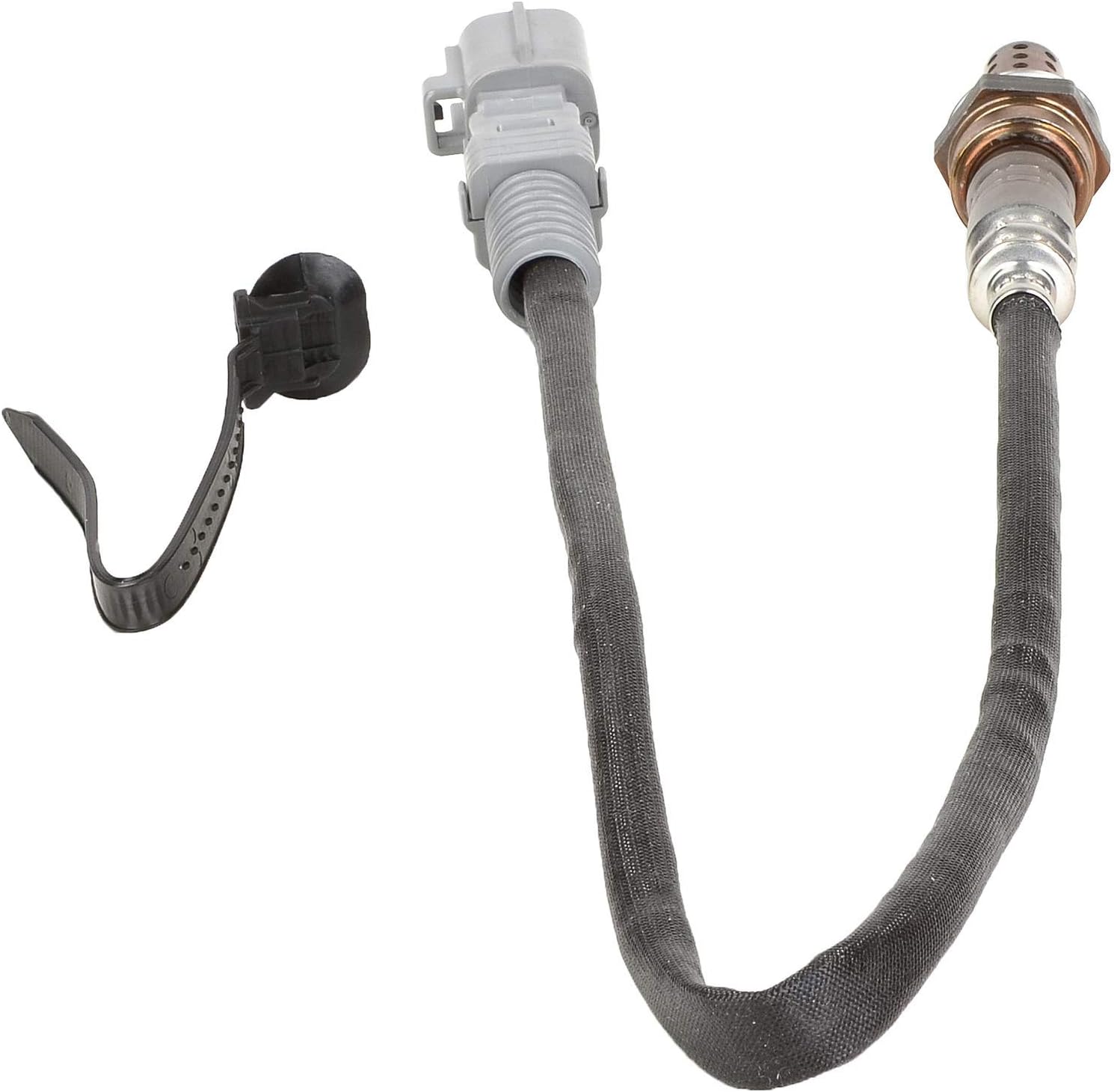
Figure 4: Another view of the Bosch 18039 Oxygen Sensor, illustrating its flexible cable and robust connector.
9. Vehicle Compatibility
The Bosch 18039 Oxygen Sensor is compatible with select vehicle models. Always verify specific fitment details, including sensor position (e.g., upstream, downstream), using a reliable fitment checker or your vehicle's service manual before purchase and installation.
Compatible Vehicles Include:
- LEXUS:
- 2011-2017 CT200h
- 2014-2015 RX350
- 2011-2015 RX450h
- TOYOTA:
- 2011-2016 Highlander
- 2010-2015 Prius
- 2012-2019 Prius C
- 2012-2015 Prius Plug-In
- 2012-2017 Prius V
This list is for general guidance. Specific vehicle configurations may vary.
10. Warranty and Support
For warranty information and technical support, please refer to the official Bosch automotive parts website or contact Bosch customer service directly. Keep your purchase receipt as proof of purchase.
Bosch Official Website: www.boschautoparts.com
Note: Amazon customer reviews are not a substitute for official product support or warranty claims.