
Bussmann EDCC2
Edison EDCC2 Fuse User Manual
Brand: Bussmann | Model: EDCC2
1. Product Overview
The Edison EDCC2 Fuse is a high-quality, 2 Amp, 600 Volt slow blow, Class CC time delay fuse manufactured by Bussmann. This fuse is engineered to provide reliable overcurrent protection for various electrical circuits and equipment, particularly in industrial and commercial applications where sustained overloads are common but short-circuit protection is also critical. Its time-delay characteristic allows for temporary inrush currents without nuisance tripping, while still offering robust protection against damaging short-circuits.

Figure 1: The Edison EDCC2 Class CC Time Delay Fuse, shown with its packaging.
2. Safety Information
WARNING: Electrical work can be hazardous. Always disconnect power before installing, inspecting, or replacing fuses. Only qualified personnel should perform electrical installations and maintenance. Failure to follow these instructions may result in serious injury or death.
- Ensure the replacement fuse has the correct voltage, amperage, and interrupting rating for the circuit.
- Never bypass a fuse or use a fuse with a higher rating than specified.
- Wear appropriate personal protective equipment (PPE), such as insulated gloves and safety glasses, when working with electrical systems.
- Verify that the fuse holder or block is compatible with Class CC fuses.
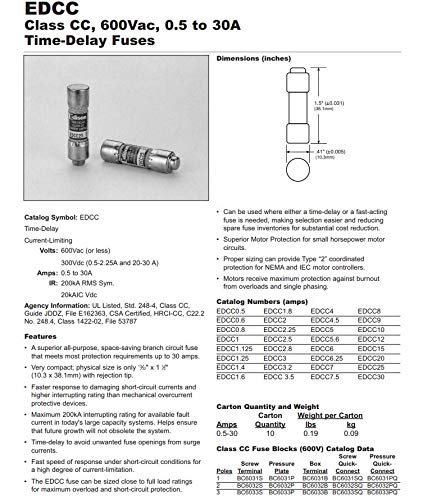
Figure 2: Fuse packaging with a warning label. The German text on the label translates to: "Warning: To avoid the danger of suffocation, keep plastic bags away from infants and children. Do not use this bag in baby beds, beds, carriages or playpens. The bag is not a toy." This warning pertains to the plastic packaging material, not the fuse itself.
3. Product Features
- Class CC Fuse: Designed for branch circuit protection, offering high interrupting ratings in a compact size.
- Time-Delay Characteristic: Allows for temporary overcurrents (e.g., motor starting currents) without opening, preventing nuisance trips.
- Current Limiting: Reduces the magnitude and duration of short-circuit currents, minimizing damage to electrical components.
- Voltage Rating: 600 Volts AC.
- Amperage Rating: 2 Amps.
- Construction: Made from durable materials including glass and copper for reliable performance.
4. Specifications
| Specification | Value |
|---|---|
| Brand | Bussmann (Edison) |
| Model Number | EDCC2 |
| AC Adapter Current | 2 Amps |
| Voltage | 600 Volts |
| Fuse Class | Class CC |
| Characteristic | Slow Blow, Time Delay, Current Limiting |
| Material | Glass, Copper |
| Product Dimensions (L x W x H) | 7.09 x 6.3 x 8.27 inches |
| Item Weight | 0.63 ounces |

Figure 3: Technical specifications and dimensions for EDCC Class CC fuses, including the EDCC2 model.
5. Installation and Setup
The Edison EDCC2 fuse is designed for installation in compatible Class CC fuse holders or blocks. Proper installation is crucial for the safe and effective operation of your electrical system.
- De-energize the Circuit: Before beginning any work, ensure that the power to the circuit where the fuse will be installed or replaced is completely disconnected and locked out. Verify with a voltage tester.
- Identify Fuse Holder: Locate the appropriate Class CC fuse holder or block in your electrical panel or equipment.
- Insert Fuse: Carefully insert the EDCC2 fuse into the designated fuse clips. Ensure a firm and secure connection. Do not force the fuse.
- Verify Connection: Double-check that the fuse is properly seated and making good contact with both clips.
- Re-energize: Once installation is complete and verified, restore power to the circuit.
It is highly recommended that installation be performed by a qualified electrician in accordance with all local and national electrical codes.
6. Operation
Fuses are passive safety devices designed to protect electrical circuits from overcurrent conditions. The Edison EDCC2 fuse operates by melting a metallic element within its body when the current flowing through it exceeds its rated amperage for a specific duration (due to its time-delay characteristic). This action opens the circuit, interrupting the flow of electricity and preventing damage to equipment or wiring from excessive current or short-circuits.
- Under normal operating conditions, the fuse allows current to flow unimpeded.
- During a temporary overload (e.g., motor start-up), the time-delay feature allows the fuse to withstand the surge without blowing.
- In the event of a sustained overload or a short-circuit, the fuse element will melt, opening the circuit and protecting downstream components.
7. Maintenance
Fuses are generally maintenance-free components. However, periodic inspection of fuse holders and connections is recommended to ensure proper contact and to check for any signs of overheating or damage. If a fuse has operated (blown), it must be replaced.
- Visual Inspection: Periodically inspect the fuse and its holder for any signs of physical damage, discoloration, or loose connections.
- Cleaning: Ensure fuse clips and terminals are clean and free of corrosion to maintain good electrical contact.
- Replacement: A blown fuse cannot be reset and must be replaced with a new fuse of the exact same type, voltage, and amperage rating (e.g., another Edison EDCC2).
8. Troubleshooting
The primary "troubleshooting" scenario for a fuse is when it blows, indicating an overcurrent condition in the circuit it protects.
| Problem | Possible Cause | Solution |
|---|---|---|
| Fuse blows immediately upon power-up or after a short period. | Short-circuit in the circuit or equipment; severe overload. | Identify and rectify the short-circuit or overload condition. Do not replace the fuse until the fault is cleared. Consult a qualified electrician. |
| Fuse blows frequently. | Persistent overload; intermittent short-circuit; incorrect fuse rating for application; aging equipment. | Verify the load current does not exceed the fuse rating. Check for intermittent faults. Ensure the fuse is correctly rated for the application. Consider professional electrical inspection. |
| No power to circuit, but fuse appears intact. | Loose connection; internal fuse element failure (rare); fault elsewhere in the circuit. | Check all connections. Test the fuse for continuity with a multimeter (with power off). Investigate other components in the circuit. |
Always replace a blown fuse with one of the identical type and rating (e.g., Edison EDCC2, 2 Amp, 600V, Class CC). Using a fuse with a different rating can compromise safety and protection.
9. Warranty and Support
For specific warranty information regarding the Edison EDCC2 Fuse, please refer to the documentation provided with your purchase or contact Bussmann directly. As a general guideline, fuses are consumable safety devices and are typically not covered by extensive warranties once installed, as their operation indicates a fault in the protected circuit.
For technical support or inquiries, please contact Bussmann customer service or visit their official website. Ensure you have the product model number (EDCC2) and any relevant purchase details available when seeking support.
Related documentsEDCC2

Ask a question about this manual
Ask about setup, troubleshooting, compatibility, parts, safety, or missing instructions. Manuals+ will review the question and use this page’s manual context to help answer it.