
1. Introduction
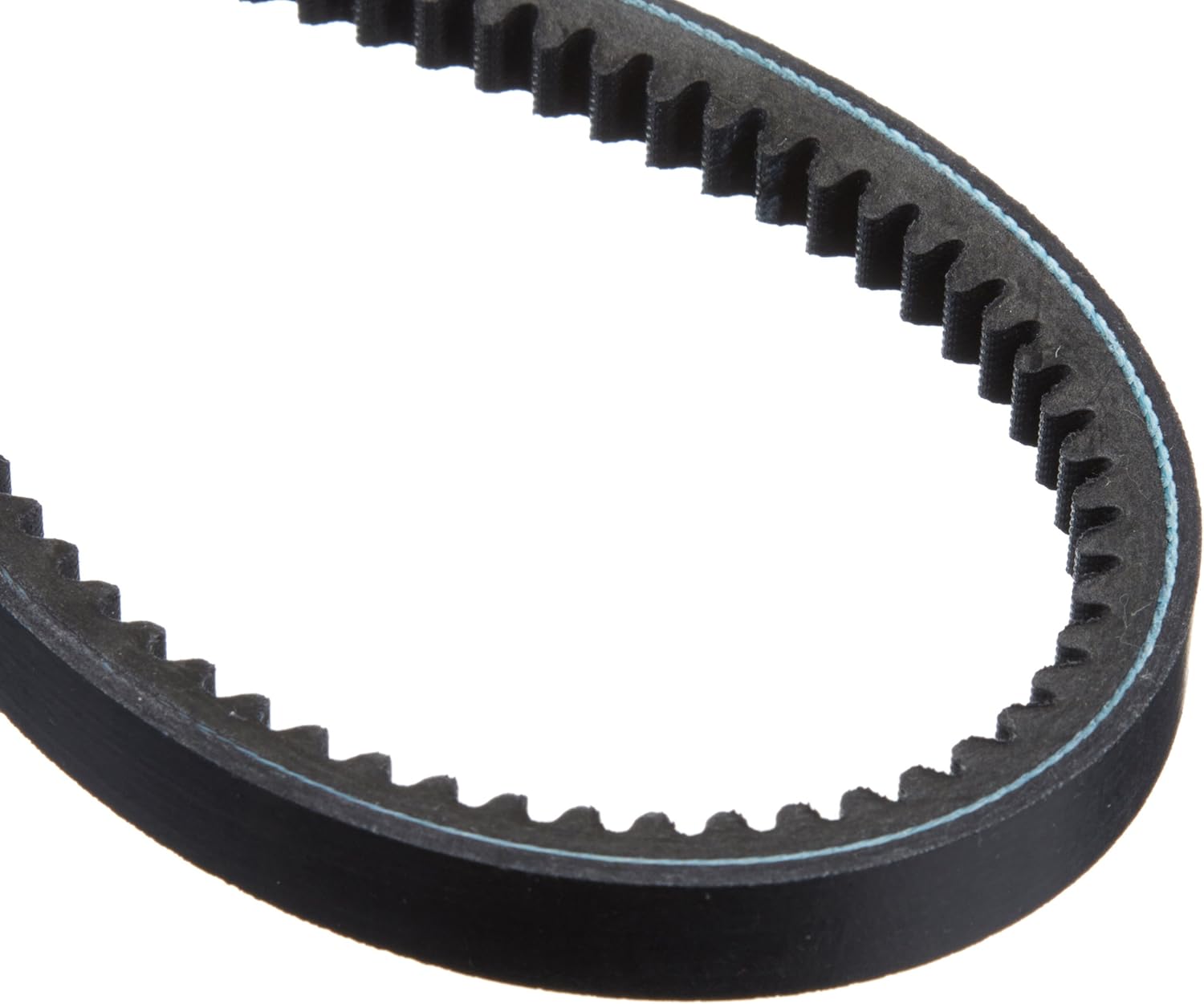
The Gates BX27 Tri-Power V-belt is engineered for power transmission in various industrial applications. This V-belt features a combination of flexibility and load-carrying capacity, designed for efficient and reliable operation. It is constructed from EPDM (ethylene propylene diene monomer) rubber, providing resistance to weathering, oils, water, and certain solvents. The belt's cords are securely bonded to the body to ensure equal load distribution and minimize bending stress.
V-belts, also known as fan belts in some contexts, are essential components in drive systems, linking two or more rotating shafts to transmit power. Their trapezoidal cross-section allows them to wedge into similarly shaped sheave or pulley grooves, enhancing traction and alignment. This wedging action intensifies with increased load, facilitating higher torque transmission and reducing slippage. Gates Tri-Power belts are part of the V80 matching system, ensuring precise matching for multi-belt drives, which contributes to even load distribution and extended wear life.
2. Product Features
- Material Composition: Made from EPDM rubber for enhanced resistance to weathering, oils, water, and various solvents.
- Cord Bonding: Cords are strongly bonded to the belt body, ensuring equal load distribution and reducing bending stress without cord deterioration.
- Notched Design: Notches molded into the underside provide the necessary flexibility to fit smaller diameter sheaves while maintaining strength and traction.
- Machined Edge: The belt's edge is precisely machined for optimal sheave groove contact, leading to reduced slip and wear.
- Temperature Range: Operates effectively within a working temperature range of -60 to +250 degrees F, protecting the belt from cracking.
- Compliance: Meets RMA (Rubber Manufacturers Association) oil and heat resistance standards and static conductivity requirements.
- V80 Matching System: Guarantees that all belts of the same type and size are precisely matched, exceeding RMA and ISO standards for improved load distribution and wear in multi-belt drives.
3. Setup and Installation
Proper installation is crucial for the longevity and performance of your Gates BX27 Tri-Power V-belt. Follow these general guidelines:
- Safety First: Ensure all power to the machinery is disconnected and locked out before beginning installation.
- Inspect Sheaves: Check sheaves for wear, damage, or misalignment. Worn or damaged sheaves can significantly reduce belt life. Ensure grooves are clean and free of debris.
- Loosen Tension: Loosen the motor mounts or idler adjustments to allow the belt to be installed without force. Never pry a belt onto a sheave, as this can damage the belt cords.
- Install Belt: Place the new BX27 V-belt into the sheave grooves. Ensure it sits properly in all grooves.
- Adjust Tension: Gradually increase tension until the belt is snug. Refer to your equipment's specific manual for recommended tensioning procedures. Proper tension is critical; too little tension can cause slippage and heat buildup, while too much tension can overstress bearings and the belt itself.
- Check Alignment: Verify that the sheaves are correctly aligned. Misalignment causes uneven wear and reduces belt life.
- Run-in Period: After initial installation and tensioning, run the machinery for a short period (e.g., 30 minutes to a few hours) and then re-check the belt tension. Belts can stretch slightly during initial operation.
4. Operating Principles
The Gates BX27 Tri-Power V-belt transmits power through friction generated by its wedging action within the sheave grooves. As the belt rotates, the sides of the belt press against the sheave walls, creating a strong grip that transfers rotational energy from the driving sheave to the driven sheave. The notched design of the BX27 belt allows it to flex more easily around smaller diameter sheaves, which is beneficial in applications requiring compact drive systems.
Maintaining proper belt tension and sheave alignment is paramount for efficient operation. Incorrect tension can lead to power loss, excessive heat generation, and premature belt failure. Misalignment causes uneven loading across the belt width and can result in rapid wear on both the belt and the sheaves.
5. Maintenance
Regular maintenance extends the life of your Gates BX27 Tri-Power V-belt and ensures optimal performance:
- Routine Inspection: Periodically inspect the belt for signs of wear, cracking, fraying, glazing, or hardening. Check for any foreign objects lodged in the grooves.
- Tension Checks: Re-check belt tension regularly, especially after the initial run-in period and during routine maintenance cycles. Adjust tension as needed to maintain the manufacturer's recommended specifications for your equipment.
- Sheave Condition: Inspect sheaves for wear, rust, or damage. Worn sheave grooves can cause the belt to ride too low, leading to slippage and reduced efficiency.
- Cleaning: Keep belts and sheaves clean and free of oil, grease, and dirt. These contaminants can cause slippage and accelerate belt deterioration. Use a clean, dry cloth for cleaning; avoid harsh chemicals.
- Storage: Store spare belts in a cool, dry place away from direct sunlight and sources of ozone or chemicals. Avoid hanging belts on small pegs that could deform them.
- Replacement: Replace belts at the first sign of significant wear or damage. When replacing multiple belts on a multi-belt drive, always replace all belts simultaneously with a matched set to ensure even load distribution.
6. Troubleshooting
Common issues with V-belts and their potential causes:
- Slippage: Often caused by insufficient tension, oil or grease on the belt/sheaves, or worn sheave grooves.
- Excessive Noise (Squealing): Typically indicates slippage due to low tension or contamination. Can also be caused by misalignment.
- Premature Wear (Cracking/Fraying): Can result from excessive heat (due to slippage or high ambient temperatures), incorrect tension (too high or too low), improper installation (prying on), or chemical exposure.
- Belt Turnover: The belt flips over in the sheave groove. This is usually due to excessive vibration, shock loads, or severe misalignment.
- Uneven Wear: Indicates sheave misalignment or mismatched belts in a multi-belt drive.
- Belt Breaking: Can be caused by shock loads, foreign objects, severe misalignment, or prolonged operation under extreme conditions.
Always address the root cause of the problem to prevent recurrence and ensure safe operation.
7. Specifications
| Attribute | Detail |
|---|---|
| Brand | Gates |
| Model Number | BX27 |
| Manufacturer Part Number | BX27 |
| Item Model Number (Internal) | 90132027 |
| Belt Section | BX |
| Width | 21/32 inches (0.66 inches) |
| Height | 13/32 inches (0.41 inches) |
| Outside Circumference | 30 inches |
| Item Weight | 4 ounces |
| Product Dimensions (L x W x H) | 30 x 0.66 x 0.04 inches |
| Material | EPDM Rubber |
| Belt Style | V Belt |
| Date First Available | April 26, 2013 |
8. Warranty Information
Warranty information for the Gates BX27 Tri-Power V-belt is not provided in the available product data. Please refer to the official Gates website or contact Gates customer support for detailed warranty terms and conditions.
9. Support and Contact
Specific support contact details are not provided in the available product data. For technical assistance, product inquiries, or further information regarding the Gates BX27 Tri-Power V-belt, please visit the official Gates website or contact their customer service department directly.
You can often find additional resources and contact information on the Gates Store on Amazon.