
Introduction
The OWI 14-in-1 Educational Solar Robot kit offers a unique opportunity to explore renewable energy and robotics. This kit allows users to construct 14 different robot models, each with distinct movements and functionalities, powered entirely by solar energy. No batteries are required, making it an excellent tool for learning basic concepts of solar technology and mechanical engineering.

Figure 1: Packaging of the OWI 14-in-1 Educational Solar Robot Kit, showcasing various robot configurations.
Safety Information
This product is intended for use by children aged 10 years and older. Adult supervision is recommended, especially during initial assembly and when handling small parts. Always wear appropriate safety glasses during assembly to protect eyes from small parts that may dislodge. Keep small components away from younger children to prevent choking hazards.
Parts List and Preparation
Before beginning assembly, carefully unpack all components and verify that all parts are present according to the included parts diagram in your kit. The kit contains numerous small plastic pieces that need to be detached from their mold frames. It is recommended to use a small pair of cutters or hobby knife for this process to ensure clean breaks and prevent damage to the parts. Some parts may require light filing to remove excess plastic or casting marks for optimal fit and function.
- Solar Panel Unit
- Gearbox Assembly Components (transparent housing, various gears)
- Plastic Body and Frame Parts
- Wheels, Tracks, and specialized movement components
- Connectors and Fasteners
- Instruction Manual (separate from this document)
Organize parts into small bags or containers, labeling them as per the kit's instructions, to facilitate easier assembly of different robot modes.
Assembly Instructions
The OWI 14-in-1 Solar Robot kit offers two levels of building complexity, allowing users to progress from simpler designs to more intricate ones. Follow the detailed step-by-step instructions provided in the physical manual included with your kit for each specific robot model.
General Assembly Tips:
- Patience is Key: Assembly requires careful attention to detail and patience. Do not force parts together.
- Gearbox Assembly: The gearbox is a central component for all robot modes. Ensure all gears are properly aligned and move freely. Applying a small amount of lithium grease (not included) to the gears can improve smoothness and longevity, though it is not strictly required for operation.
- Solar Panel Connection: Ensure the wires from the solar panel are securely connected to the motor. The adjustable polarity feature on the solar panel allows you to change the direction of motor rotation.
- Part Fit: Some parts may fit snugly. If a part is difficult to insert, gently wiggle it or check for any remaining plastic burrs that need to be removed. Small pliers may be helpful for inserting some smaller components.
Level One Robot Models:
These models are designed for beginners and provide an introduction to the kit's capabilities.
- Turtle-bot
- Beetle-bot
- Quadru-bot
- Boat-bot
- Walker-bot
- Dog-bot
- Wheel-bot
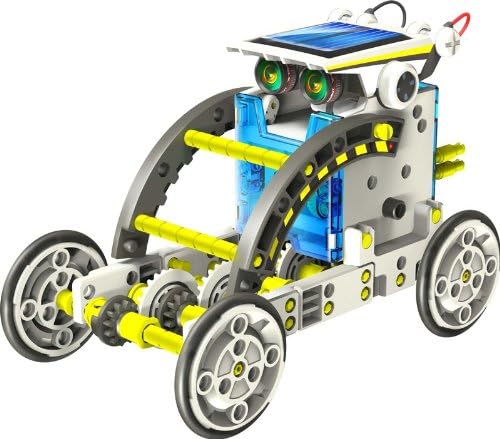
Figure 2: Wheel-bot, a basic wheeled robot configuration.

Figure 3: Quadru-bot, demonstrating multi-legged movement.

Figure 4: Dog-bot, a four-legged robot with a wagging tail.

Figure 5: Beetle-bot, designed to mimic insect movement.

Figure 6: Boat-bot, a water-based robot configuration.
Level Two Robot Models:
These models offer a greater challenge and more complex movements, suitable for experienced builders.
- Roly Poly-bot
- Auto-bot
- Slither-bot
- Surf-bot
- Zombie-bot
- Crab-bot
- Row-bot

Figure 7: Crab-bot, designed for sideways walking motion.

Figure 8: Zombie-bot, featuring a unique walking gait.

Figure 9: Roly Poly-bot, designed to roll and tumble.
Operating Instructions
The OWI 14-in-1 Solar Robot is powered exclusively by direct sunlight. No batteries are required or used. For optimal performance, ensure the solar panel is exposed to bright, direct sunlight.
- Outdoor Use: The robot will function best outdoors on a clear, sunny day.
- Indoor Use: For indoor operation, a very strong artificial light source (e.g., a 60-watt incandescent bulb or powerful LED light) positioned close to the solar panel may be necessary. Standard indoor lighting is typically insufficient.
- Direction Control: The solar panel features adjustable polarity. By reversing the connection of the wires to the motor, you can change the direction of the robot's movement.
- Surface Compatibility: Most land-based robots perform best on smooth, flat surfaces. Uneven surfaces or thick carpets may impede movement due to increased friction. Water-based robots require a calm body of water.
Maintenance
Regular maintenance will help ensure the longevity and proper function of your solar robot.
- Cleaning: Keep the solar panel clean and free of dust or debris. Use a soft, dry cloth to wipe it gently. Avoid abrasive cleaners.
- Gearbox Inspection: Periodically check the gearbox for any debris or loose gears. Ensure all connections are secure.
- Storage: When not in use, store the robot and its components in a cool, dry place away from direct sunlight to prevent material degradation.
- Disassembly: If disassembling a robot to build another, do so carefully to avoid breaking plastic tabs or connectors.
Troubleshooting
| Problem | Possible Cause | Solution |
|---|---|---|
| Robot does not move. | Insufficient light; loose solar panel connection; gears not properly engaged. | Move to direct sunlight or stronger artificial light. Check solar panel wires for secure connection. Verify all gears in the gearbox are correctly aligned and meshing. |
| Robot moves slowly or inconsistently. | Weak light; friction in gears/moving parts; parts not fully trimmed. | Ensure maximum light exposure. Check for any parts rubbing or catching. Re-examine parts for excess plastic from molding and trim as needed. Consider applying a small amount of lubricant to gears. |
| Gears slip or grind. | Gears not fully seated; excessive load on robot; manufacturing tolerance issues. | Ensure gears are pressed firmly onto their axles. Reduce friction by ensuring the robot is on a smooth surface. If persistent, gently try to push gears together slightly tighter or apply lubricant. |
| Robot moves in the wrong direction. | Solar panel polarity reversed. | Reverse the connection of the solar panel wires to the motor. |
Specifications
| Feature | Detail |
|---|---|
| Product Dimensions | 7.5 x 12.5 x 3.25 inches (packaging) |
| Item Weight | 1 pound |
| Model Number | OWI-MSK615 |
| Manufacturer Recommended Age | 8 - 15 years |
| Power Source | Solar (no batteries required) |
| Number of Robot Modes | 14 |
Warranty and Support
For specific warranty information or technical support regarding your OWI 14-in-1 Educational Solar Robot, please refer to the contact information provided in the product packaging or visit the official OWI website. Keep your purchase receipt as proof of purchase.


