
Wilo 2708304
Wilo ECC29-15.50 115-volt Submersible Sump Pump User Manual
Model: 2708304 | Brand: Wilo
Product Overview
The Wilo ECC29-15.50 Submersible Sump Pump is designed for efficient water removal in residential and light commercial applications. It features robust construction and reliable components to ensure long-lasting performance.
Key features include: Cast iron housing and volute, Thermoplastic Vortex Impeller, Stainless Steel bottom screened inlet, Replaceable tether float switch, Permanent split capacitor motor with thermal overload protection, 1.5-inch NPT discharge (1.25-inch adapter included), and a 10-ft power cord.
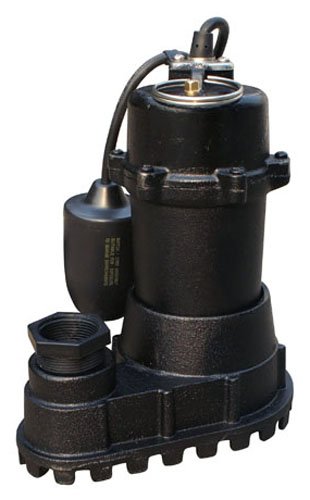
Image: Wilo ECC29-15.50 Submersible Sump Pump, showing its cast iron body, float switch, and discharge port.
Specifications
| Attribute | Detail |
|---|---|
| Brand | Wilo |
| Model Number | 2708304 (ECC29-15.50) |
| Voltage | 115 Volts |
| Horsepower | 0.50 HP |
| Material | Cast Iron, Stainless Steel |
| Item Weight | 22 pounds |
| Product Dimensions | 9 x 6 x 11.4 inches |
| Power Source | Corded Electric |
| Discharge Size | 1.5-inch NPT (1.25-inch adapter included) |
| Features | Thermal overload protection, Stainless Steel bottom screened inlet, Replaceable tether float switch |
Setup
Proper installation is crucial for the safe and efficient operation of your sump pump. Always ensure power is disconnected before handling the pump.
- Safety First: Ensure the power supply to the sump pit area is turned off at the circuit breaker before beginning any installation work.
- Sump Pit Preparation: Ensure the sump pit is clean and free of debris. The pit should be large enough to accommodate the pump and allow for proper float switch operation.
- Pump Placement: Place the pump on a solid, level surface at the bottom of the sump pit. Avoid placing it directly on dirt or gravel, which can lead to clogging. Use a brick or concrete block if necessary.
- Discharge Pipe Connection: Connect a rigid PVC pipe (recommended) to the pump's 1.5-inch NPT discharge port. Use the included 1.25-inch adapter if your existing plumbing requires it. Install a check valve in the discharge line above the pump to prevent water from flowing back into the pit when the pump shuts off.
- Float Switch Adjustment: Position the tether float switch so it can move freely without obstruction. Ensure it activates the pump at the desired water level and allows the pump to run long enough to adequately drain the pit before deactivating. Avoid contact with the pit walls or other pipes.
- Power Connection: Plug the pump's 10-ft power cord into a properly grounded 115-volt GFCI (Ground Fault Circuit Interrupter) outlet. Do not use extension cords.
- Test Operation: Once installed, fill the sump pit with water to verify the pump activates and deactivates correctly. Check for any leaks in the discharge line.
Operation
The Wilo ECC29-15.50 sump pump operates automatically via its tether float switch. When the water level in the sump pit rises and lifts the float switch to its activation point, the pump will turn on and begin to discharge water.
- Automatic Operation: The pump is designed for continuous automatic operation. It will activate when the water level reaches the set point of the float switch and will continue to pump until the water level drops and the float switch deactivates the pump.
- Initial Start-up: After installation, ensure the pump is plugged into a GFCI outlet. Manually lift the float switch to ensure the pump turns on. Allow it to run for a short period, then release the float to ensure it turns off.
- Monitoring: Periodically check the sump pit, especially during heavy rain, to ensure the pump is operating as expected. Listen for unusual noises or vibrations, which could indicate an issue.
- Thermal Overload Protection: The pump is equipped with thermal overload protection. If the motor overheats, it will automatically shut off to prevent damage. The pump will restart once it has cooled down. Identify and resolve the cause of overheating if this occurs frequently.
Maintenance
Regular maintenance helps ensure the longevity and reliable performance of your sump pump. Always disconnect power before performing any maintenance.
- Monthly Checks (or more frequently during heavy use):
- Clean Sump Pit: Remove any debris, dirt, or sediment from the bottom of the sump pit that could clog the pump's inlet screen or impede float switch operation.
- Check Float Switch: Manually lift the float switch to ensure it moves freely and activates/deactivates the pump. Ensure no wires or debris are interfering with its movement.
- Inspect Inlet Screen: Check the stainless steel bottom screened inlet for any blockages and clean if necessary.
- Examine Power Cord: Inspect the power cord for any signs of damage, fraying, or wear.
- Annual Inspection:
- Remove Pump: If possible, remove the pump from the pit for a more thorough inspection.
- Clean Impeller: Inspect the thermoplastic vortex impeller for any debris or buildup and clean carefully.
- Check Check Valve: Ensure the check valve in the discharge line is functioning correctly and not stuck open or closed.
- Winterization (if applicable in freezing climates): If the pump is in an unheated area and there's a risk of freezing, ensure the discharge line is sloped to drain completely or is disconnected and drained to prevent ice buildup.
Troubleshooting
Before attempting any troubleshooting, always disconnect the pump from the power source. If you are unsure about any step, consult a qualified electrician or plumber.
| Problem | Possible Cause | Solution |
|---|---|---|
| Pump does not run. | No power; tripped GFCI; float switch stuck or defective; motor overheated. | Check power supply and GFCI. Ensure float switch moves freely. Allow motor to cool if overheated. Replace float switch if defective. |
| Pump runs continuously. | Float switch stuck in "on" position; check valve faulty; continuous water inflow. | Clear obstructions around float switch. Inspect/replace check valve. Investigate source of continuous water inflow. |
| Pump runs but does not remove water. | Clogged inlet screen or impeller; air lock; discharge pipe blocked or frozen; pump not submerged. | Clean inlet screen and impeller. Clear air lock by tilting pump. Check discharge pipe for blockages. Ensure pump is fully submerged. |
| Pump is noisy or vibrates excessively. | Debris in impeller; pump not sitting level; worn bearings (less common for new pump). | Clean impeller. Ensure pump is on a stable, level surface. If noise persists, professional service may be required. |
Warranty and Support
For specific warranty information regarding your Wilo ECC29-15.50 Submersible Sump Pump, please refer to the documentation included with your purchase or visit the official Wilo website. Warranty terms typically cover manufacturing defects for a specified period from the date of purchase.
For technical support, parts, or service inquiries, please contact Wilo customer service directly. Have your model number (2708304) and purchase date ready when contacting support.
You can often find contact information for Wilo on their official website or through your product retailer.
Related documents2708304

Ask a question about this manual
Ask about setup, troubleshooting, compatibility, parts, safety, or missing instructions. Manuals+ will review the question and use this page’s manual context to help answer it.