
1. Product Overview
The Rotary NGK BKR5E Spark Plug, model 9872, is designed for reliable ignition in various small engines, primarily lawn mowers. This spark plug is a direct replacement for NGK BKR5E and is also compatible with Champion RC12YC and Autolite 3924 spark plugs. It features an iridium core material, contributing to its durability and consistent performance.
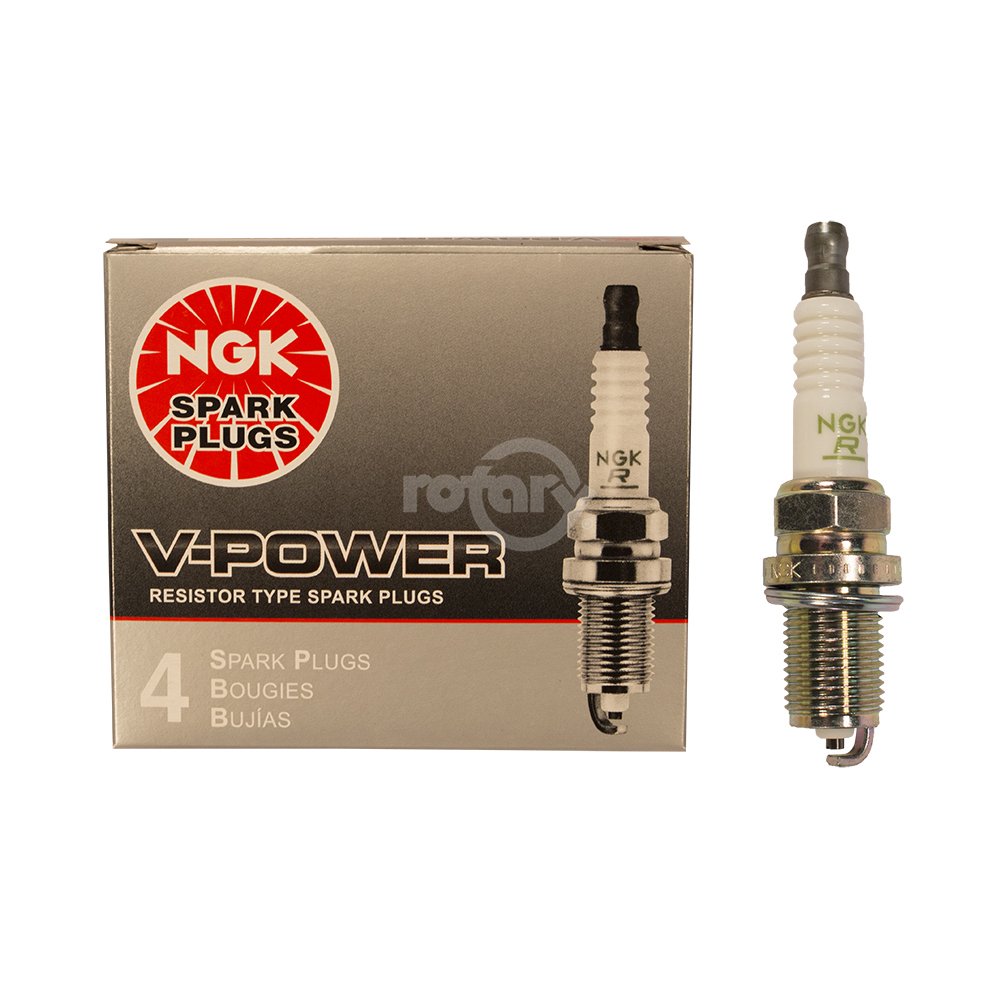
Image 1.1: Rotary NGK BKR5E Spark Plug. This image displays a single spark plug, highlighting its ceramic insulator and metal shell.
2. Specifications
| Brand | Rotary |
| Model Number | 9872 |
| Core Material | Iridium |
| Thread Size | 14mm |
| Top Material Type | Iridium |
| Vehicle Service Type | Lawn Mower |
| Item Weight | 1.76 ounces |
| Product Dimensions | 12 x 10 x 2 inches (packaging) |
| GTIN (UPC) | 034761098723 |
3. Compatibility
This spark plug is specifically designed for use in lawn mower engines. It serves as a direct replacement for the following spark plug models:
- NGK BKR5E
- Champion RC12YC
- Autolite 3924
Always consult your engine's owner's manual to confirm the correct spark plug type and gap setting for your specific equipment.
4. Installation (Setup)
Proper installation is crucial for spark plug performance and engine longevity. Always refer to your engine's service manual for specific instructions and torque specifications.
- Safety First: Ensure the engine is cool and disconnected from its power source (e.g., remove the spark plug wire or disconnect the battery for electric start models) before beginning any work.
- Locate and Remove Old Plug: Identify the spark plug location. Carefully remove the spark plug wire by twisting and pulling the boot, not the wire itself. Use a spark plug wrench to loosen and remove the old spark plug.
- Inspect and Prepare: Inspect the old spark plug for signs of wear or engine issues. Before installing the new spark plug, verify the electrode gap using a spark plug gapping tool. The correct gap specification can be found in your engine's manual. Adjust if necessary by carefully bending the ground electrode.
- Install New Plug: Thread the new spark plug into the cylinder head by hand to prevent cross-threading. Once finger-tight, use a spark plug wrench to tighten it to the manufacturer's recommended torque specification. Overtightening can damage the cylinder head, while undertightening can lead to poor performance or overheating.
- Reconnect: Reattach the spark plug wire firmly until it clicks into place.
5. Operation
The spark plug is a critical component of an internal combustion engine's ignition system. Its primary function is to ignite the air-fuel mixture in the engine's combustion chamber. When the engine is running, an electrical current is sent through the spark plug, creating a spark across its electrodes. This spark initiates the combustion process, which drives the engine's pistons and generates power.
6. Maintenance
Regular maintenance of your spark plug ensures optimal engine performance and fuel efficiency.
- Inspection: Periodically inspect the spark plug for signs of wear, fouling, or damage. A healthy spark plug typically has a light tan or grayish-brown color on its insulator tip.
- Cleaning: If the spark plug is fouled with carbon deposits, it can be carefully cleaned with a wire brush or specialized spark plug cleaner. Avoid aggressive cleaning that could damage the electrodes.
- Gap Check: Re-check the electrode gap at recommended service intervals. The gap can widen over time due to erosion, affecting spark quality.
- Replacement: Replace the spark plug according to your engine manufacturer's recommended schedule, typically annually or every 50-100 operating hours for lawn mowers, or if it shows significant wear or damage.
7. Troubleshooting Common Issues
A faulty spark plug can lead to various engine problems. Here are some common issues and how they relate to spark plugs:
- Engine Misfires or Rough Idling: Often caused by a fouled, worn, or incorrectly gapped spark plug that fails to ignite the fuel mixture consistently.
- Hard Starting: A weak or absent spark from a faulty plug can make the engine difficult to start.
- Poor Fuel Economy: Inefficient combustion due to a worn spark plug can lead to increased fuel consumption.
- Loss of Power: Reduced engine power, especially under load, can indicate that one or more spark plugs are not firing effectively.
- Engine Knocking or Pinging: While often related to fuel quality or timing, a spark plug that is too hot for the application can also contribute to pre-ignition.
If you experience any of these symptoms, inspect your spark plug as a first step in diagnosis. If the issue persists after spark plug replacement, consult a qualified service technician.
8. Warranty and Support
Specific warranty details for the Rotary NGK BKR5E Spark Plug Model 9872 are not provided in this manual. For warranty information, technical support, or further assistance, please contact the manufacturer, Rotary Corp, or your authorized dealer. Keep your purchase receipt as proof of purchase.