
1. Introduction
The Radiowavz Saturn 4-80 is a multi-band dipole antenna designed for amateur radio operation on the 80, 40, 20, and 10 meter bands. This manual provides essential information for the safe and effective installation, operation, and maintenance of your antenna. Please read this manual thoroughly before proceeding with installation or operation.
2. Safety Information
Antenna installation can be hazardous. Always prioritize safety to prevent injury or property damage. Adhere to the following guidelines:
- Power Lines: Never install the antenna near overhead power lines. Maintain a safe distance, at least twice the length of the antenna and its support structure, from all power lines. Contact with power lines can be fatal.
- Weather Conditions: Avoid installation during adverse weather conditions such as strong winds, rain, lightning, or icy conditions.
- Grounding: Ensure the antenna mast and coaxial cable are properly grounded according to local electrical codes to protect against lightning strikes and static buildup.
- Tools and Equipment: Use appropriate tools and safety equipment, including gloves, safety glasses, and a sturdy ladder. Work with a partner whenever possible.
- Height and Stability: Ensure the antenna support structure is robust and securely anchored to withstand wind loads and other environmental stresses.
3. Package Contents
Verify that all components are present and undamaged upon unpacking. If any items are missing or damaged, contact your dealer immediately.
- Radiowavz Saturn 4-80 Dipole Antenna Assembly (includes center insulator, wire elements, and end insulators)
- Instruction Manual (this document)
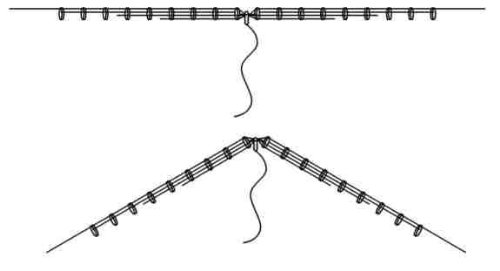
Figure 1: Radiowavz Saturn 4-80 Dipole Antenna. This image shows the compact design of the antenna, including the center insulator and the coiled wire elements, ready for deployment.
4. Setup and Installation
Proper installation is crucial for optimal performance and safety.
4.1 Site Selection
- Choose a location that provides maximum height and clearance from obstructions such as buildings, trees, and power lines.
- Aim for a clear, open area to minimize signal interference and maximize radiation efficiency.
- Consider the directionality of a dipole antenna relative to your desired communication paths.
4.2 Antenna Assembly
- Uncoil the wire elements carefully, ensuring they do not tangle or kink.
- Attach the wire elements to the center insulator terminals. Ensure connections are secure and weatherproof.
- Connect your 50-ohm coaxial cable to the SO-239 connector on the center insulator. Use a high-quality PL-259 connector and ensure it is properly soldered and sealed against moisture.
- Attach the end insulators to the ends of the wire elements. These will be used to support the antenna.
4.3 Mounting the Antenna
- The Saturn 4-80 can be installed in various configurations, including flat-top, inverted-V, or sloper. The inverted-V configuration is often preferred for its lower height requirements and broader radiation pattern.
- Use non-conductive rope (e.g., Dacron, polypropylene) to support the ends of the dipole elements. Avoid using wire or conductive materials for support.
- Securely attach the center insulator to a mast or other sturdy support structure. Ensure the mast is adequately guyed and anchored.
- Raise the antenna slowly, checking for any snags or obstructions. Ensure the wire elements are taut but not excessively stressed.
4.4 Grounding
Proper grounding is essential for safety and performance. Connect the antenna mast to an earth ground using heavy gauge wire and appropriate grounding rods. Consult local electrical codes for specific requirements.
5. Operating the Antenna
Once installed, the Saturn 4-80 is ready for use. This antenna is designed to operate on 80, 40, 20, and 10 meters.
5.1 Tuning and SWR
- Connect an SWR meter or antenna analyzer between your transceiver and the antenna.
- Check the Standing Wave Ratio (SWR) on each band (80m, 40m, 20m, 10m). The Saturn 4-80 is pre-tuned, but minor adjustments may be necessary depending on your specific installation environment.
- An SWR of 1.5:1 or lower is generally desirable for efficient operation and to protect your transceiver.
- If SWR is high, ensure all connections are secure and the antenna is clear of obstructions. An external antenna tuner may be used to achieve a lower SWR at the transceiver, but it does not correct the SWR at the antenna itself.
5.2 Band Selection
The antenna automatically resonates on the specified bands. No manual switching is required at the antenna itself. Select the desired band on your transceiver.
6. Maintenance
Regular inspection and minimal maintenance will ensure long-term performance of your Radiowavz Saturn 4-80 antenna.
- Periodic Inspection: Annually inspect all connections, ropes, and support structures for wear, corrosion, or damage. Pay close attention to the coaxial cable for cracks or water ingress.
- Cleaning: Keep the center insulator and coaxial connectors clean and free of dirt, dust, and corrosion. Use a soft cloth and mild detergent if necessary.
- Weather Protection: Ensure all outdoor connections are properly sealed with weatherproof tape or sealant to prevent moisture from entering.
- Storm Checks: After severe weather, inspect the antenna and its supports for any damage or displacement.
7. Troubleshooting
If you experience issues with your antenna, consider the following common problems and solutions:
| Problem | Possible Cause | Solution |
|---|---|---|
| High SWR on all bands | Faulty coaxial cable or connectors; poor ground; antenna too close to conductive objects. | Check coaxial cable for shorts or opens. Inspect connectors for corrosion or poor soldering. Verify proper grounding. Relocate antenna away from obstructions. |
| High SWR on specific bands | Antenna elements are not properly extended or are damaged; environmental factors affecting resonance. | Ensure wire elements are fully extended and free of kinks. Check for physical damage to the elements or center insulator. Minor adjustments to element length might be needed if installation differs significantly from typical. |
| Poor reception/transmission | High SWR; incorrect antenna height or orientation; faulty transceiver. | Address high SWR issues first. Ensure antenna is at an adequate height and clear of obstructions. Test transceiver with a dummy load to rule out equipment issues. |
| Intermittent operation | Loose connections; damaged coaxial cable; moisture ingress. | Inspect all connections, especially at the center insulator and transceiver. Check coaxial cable for physical damage or water entry. Re-seal outdoor connections. |
8. Specifications
- Model: SATURN 4-80
- Brand: Radiowavz
- Antenna Type: Multi-band Dipole
- Operating Bands: 80, 40, 20, 10 Meters
- Number of Channels: 4 (referring to bands)
- Weight: Approximately 6.35 Pounds (2.88 kg)
- Color: Silver (elements)
- UPC: 701630965614
9. Warranty and Support
Radiowavz products are manufactured to high standards. Specific warranty terms and conditions are typically provided with the product packaging or available on the official Radiowavz website. Please retain your proof of purchase for warranty claims.
For technical support, service, or further inquiries, please refer to the contact information provided by your dealer or visit the official Radiowavz website. When contacting support, please have your product model number (SATURN 4-80) and purchase details ready.