
1. Introduction
This manual provides instructions for the installation and maintenance of the Superior Electric K40 Carbon Brush Set. These aftermarket carbon brushes are designed as replacements for various power tools, compatible with OEM parts such as CB-303, 194996-6, and 191963-2. The K40 brushes utilize Toyo Tanso carbon, known for its enhanced stability, reliability, and resistance to high temperatures, ensuring optimal electrical conductivity and reduced wear in compatible equipment.

Figure 1.1: Two Superior Electric K40 carbon brushes, showing the carbon block, spring, and copper terminal. These brushes are essential components for power tool motors.
2. Safety Information
Always observe the following safety precautions when working with power tools and electrical components:
- Disconnect Power: Before attempting any installation, maintenance, or repair, ensure the power tool is unplugged from its power source to prevent accidental startup and electrical shock.
- Wear Protective Gear: Use appropriate personal protective equipment (PPE), such as safety glasses and gloves, to protect against potential hazards.
- Follow Tool Manufacturer's Instructions: Refer to your power tool's original instruction manual for specific disassembly and reassembly procedures.
- Proper Ventilation: Ensure adequate ventilation when working, especially if cleaning dust from the motor.
- Qualified Personnel: If you are unsure about any step, seek assistance from a qualified technician.
3. Installation (Carbon Brush Replacement)
The Superior Electric K40 carbon brushes are designed for replacement in compatible power tools. Follow these general steps for installation. Always consult your specific power tool's service manual for detailed instructions.
- Prepare the Tool: Ensure the power tool is completely disconnected from its power source. Place the tool on a stable, clean work surface.
- Locate Brush Caps: Identify the brush caps on the motor housing. These are typically plastic or metal caps that secure the carbon brushes in place.
- Remove Old Brushes: Carefully unscrew or unclip the brush caps. Remove the old, worn carbon brushes and their springs. Note their orientation for correct installation of the new brushes.
- Inspect Commutator: While the brushes are out, inspect the commutator (the copper segments on the motor's armature). It should be clean and free of excessive scoring or carbon buildup. Clean if necessary, following your tool's manual.
- Install New Brushes: Insert the new Superior Electric K40 carbon brushes into the brush holders. Ensure the carbon block slides smoothly and the spring applies even pressure. The copper wire terminal should be correctly positioned to make contact.
- Secure Brush Caps: Replace and tighten the brush caps. Do not overtighten, as this can damage the caps or housing.
- Test Operation: After installation, plug the tool back in and perform a brief test run at a low speed to ensure proper seating of the brushes and smooth operation.

Figure 3.1: A single K40 carbon brush, illustrating the carbon block and attached spring mechanism. This view helps in understanding the component's structure for proper insertion.
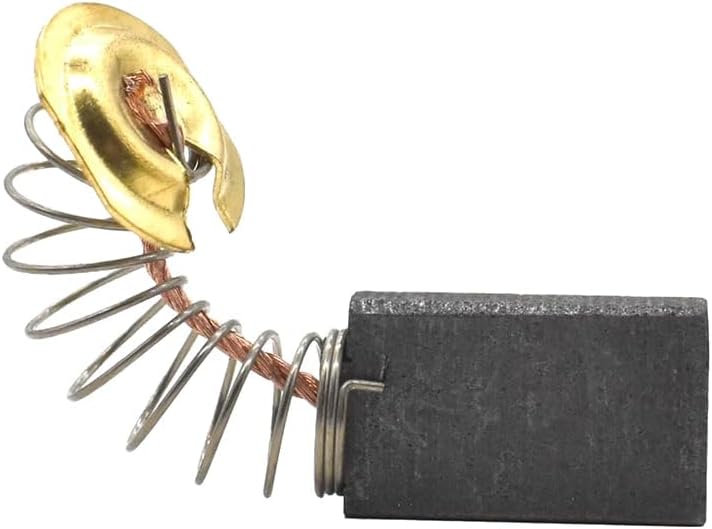
Figure 3.2: An angled perspective of a K40 carbon brush, highlighting the connection point for the electrical current and the spring's coil.

Figure 3.3: A detailed close-up of the K40 carbon brush's terminal and spring assembly, showing the quality of the copper wiring and spring tension.
4. Operation Verification
After installing new carbon brushes, it is important to verify the proper operation of your power tool:
- Initial Run: Operate the tool at a low speed for a few minutes without load. This allows the new brushes to seat properly against the commutator.
- Observe for Sparking: A small amount of sparking is normal during the initial break-in period. Excessive sparking, however, may indicate improper installation or a commutator issue.
- Check for Unusual Noises: Listen for any grinding, squealing, or other abnormal noises that were not present before the brush replacement.
- Verify Power and Performance: Ensure the tool operates with its expected power and performance.
5. Maintenance
Regular inspection and timely replacement of carbon brushes are crucial for the longevity and performance of your power tool:
- Periodic Inspection: Depending on tool usage, inspect the carbon brushes every 50-100 hours of operation. Check for wear, chipping, or uneven wear patterns.
- Replacement Criteria: Replace carbon brushes when they are worn down to approximately 1/4 inch (6mm) or less, or if they show signs of damage. Worn brushes can lead to reduced power, excessive sparking, and potential damage to the motor's commutator.
- Commutator Cleaning: Periodically clean the commutator with a non-abrasive commutator cleaning stick or fine-grit sandpaper (if recommended by the tool manufacturer) to remove carbon buildup and ensure good electrical contact.
- Benefits of Toyo Tanso Carbon: The K40 brushes feature Toyo Tanso carbon, which offers superior heat and chemical resistance (up to 2000°C), abrasion resistance, and self-lubricating properties. This material helps extend brush life and maintain consistent performance.
6. Troubleshooting Common Issues
| Issue | Possible Cause | Solution |
|---|---|---|
| Reduced Power or Intermittent Operation | Worn carbon brushes, poor contact with commutator. | Inspect and replace carbon brushes if worn. Ensure brushes are properly seated. |
| Excessive Sparking at Commutator | Worn brushes, dirty/damaged commutator, incorrect brush seating. | Replace brushes. Clean commutator. Verify brushes are installed correctly and move freely. |
| Tool Fails to Start | Completely worn brushes, power supply issue, internal tool fault. | Check power connection. Inspect and replace brushes. If problem persists, consult a qualified technician. |
| Unusual Noise (Grinding/Squealing) | Improperly seated brushes, foreign object in motor, bearing wear. | Re-seat brushes. Inspect motor for obstructions. If noise continues, professional inspection may be required. |
7. Specifications
- Model: K40
- Material: Toyo Tanso Carbon
- Heat Resistance: Up to 2000° C (3632° F)
- Dimensions: Approximately 1.4 x 0.5 x 0.3 inches (35.6 x 12.7 x 7.6 mm)
- Compatibility (Partial List): Compatible with various Makita models including, but not limited to:
- 9403, 9404, 9902, 9903, 9920, 9921
- RD1100, RD1101, RF1100, RF1101, RP1101
- 5740NB, 5044B
- 4101RH, 4200NH
- LS0711Z, LS0714
- 9015B, 9016B, 9015DB, 9016DB
- JR3030, JR3030T
- 6304LR, DA4000LR, DA4031, DS4000
- PV7001C
- Replaces OEM Part Numbers: CB-303, 194996-6, 191963-2
8. Warranty & Support
For specific warranty information regarding the Superior Electric K40 Carbon Brush Set, please refer to the product packaging or contact the seller directly. For technical support or further assistance with installation and troubleshooting, please reach out to Superior Electric customer service or the authorized retailer from whom the product was purchased.
Manufacturer: Superior Electric