
1. Introduction
This manual provides essential information for the proper installation, operation, and maintenance of your Oregon 100SDEA041 Single Rivet Guide Bar. Designed for occasional woodcutters using small electric and gasoline-powered chainsaws, this lightweight and easy-to-maneuver guide bar ensures efficient cutting performance. Please read this manual thoroughly before use to ensure safe and effective operation.
2. Safety Information
Always prioritize safety when working with chainsaw components. Failure to follow safety instructions can result in serious injury.
- Read Chainsaw Manual: Always refer to your chainsaw's instruction manual for specific safety guidelines related to guide bar installation and operation.
- Personal Protective Equipment (PPE): Wear appropriate PPE, including safety glasses, hearing protection, gloves, and sturdy footwear, when handling or operating a chainsaw.
- Inspect Before Use: Before each use, inspect the guide bar for any damage, bends, or excessive wear. Do not use a damaged guide bar.
- Proper Installation: Ensure the guide bar is correctly and securely installed on your chainsaw according to the manufacturer's instructions.
- Chain Tension: Maintain correct chain tension as specified by your chainsaw manufacturer. Incorrect tension can lead to kickback or chain derailment.
- Kickback Awareness: Be aware of the risk of kickback. The small-radius nose of this guide bar helps reduce kickback, but it does not eliminate the risk entirely.
3. Product Overview
The Oregon 100SDEA041 guide bar is a durable component designed for optimal cutting performance. Key features include:
- Length: 10 inches (25 cm)
- Gauge: .050 inches (1.3 mm)
- Pitch: 3/8 inch Low Profile
- Sprocket Nose: Features a sprocket nose for smooth chain movement and reduced friction.
- Small-Radius Nose: Engineered with a small-radius nose to help reduce the risk of kickback during operation.
- Compatibility: Compatible with various chainsaw models from brands such as Craftsman, Cub Cadet, Dolmar, Homelite, Husqvarna, John Deere, Jonsered, Makita, McCulloch, Poulan/Poulan Pro, Redmax, Sears, Shindaiwa, Skil, Snapper, Tanaka, Toro, and others.
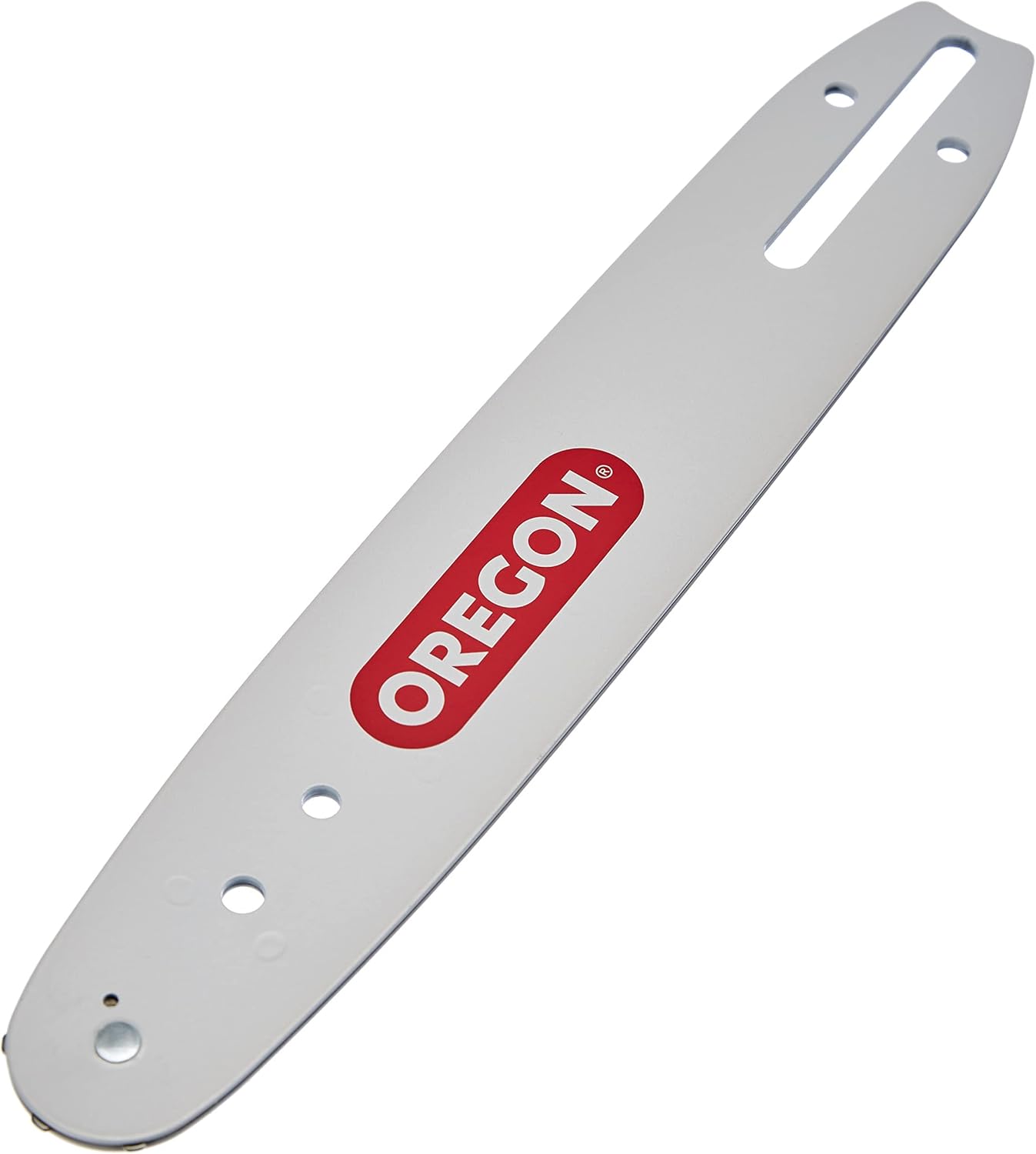
Figure 3.1: The Oregon 100SDEA041 Single Rivet Guide Bar. This image shows the full length of the guide bar with the Oregon logo prominently displayed.

Figure 3.2: A close-up view of the guide bar's tip, highlighting the sprocket nose and its design for smooth chain operation.

Figure 3.3: Detail of the mounting end of the guide bar, showing the bolt holes and slot for attachment to the chainsaw.

Figure 3.4: The guide bar with its specifications (model number, length, gauge, pitch) stamped on the surface for easy identification.
4. Setup and Installation
Proper installation of the guide bar is crucial for safe and effective chainsaw operation. Always consult your chainsaw's specific instruction manual for detailed steps, as procedures may vary slightly between models.
- Prepare the Chainsaw: Ensure the chainsaw is turned off, the spark plug cap is disconnected (for gasoline models), or the battery is removed (for electric models) to prevent accidental starting. Engage the chain brake.
- Remove Old Bar/Chain (if applicable): Loosen the bar nuts and remove the clutch cover. Carefully remove the old guide bar and chain.
- Clean Components: Clean any sawdust, debris, or old oil from the chainsaw's mounting area, clutch cover, and chain tensioner mechanism.
- Install New Guide Bar: Place the Oregon 100SDEA041 guide bar onto the chainsaw's mounting studs. Ensure the guide bar's slot aligns with the chain tensioner pin.
- Install Chain: Carefully fit the saw chain onto the guide bar, ensuring the drive links fit into the guide bar groove and the cutters are facing the correct direction. Loop the chain around the drive sprocket.
- Replace Clutch Cover: Reinstall the clutch cover and hand-tighten the bar nuts. Do not fully tighten them yet.
- Adjust Chain Tension: Using the chain tensioning screw, adjust the chain tension. The chain should be snug against the bottom of the guide bar, but still able to be pulled freely by hand. There should be no sag on the underside of the bar. Refer to your chainsaw manual for precise tensioning instructions.
- Tighten Bar Nuts: Once the chain tension is correct, fully tighten the bar nuts securely.
- Check Lubrication: Ensure the chainsaw's oil reservoir is filled with appropriate bar and chain oil. The guide bar requires constant lubrication during operation.
5. Operating Instructions
The Oregon 100SDEA041 guide bar is designed for general woodcutting tasks. Always operate your chainsaw according to its manufacturer's guidelines and local safety regulations.
- Pre-Operation Check: Before starting, re-check chain tension, oil level, and ensure all components are securely fastened.
- Starting the Chainsaw: Follow your chainsaw's specific starting procedure.
- Cutting Technique: Use proper cutting techniques to avoid kickback and maintain control. Always keep both hands on the chainsaw handles.
- Lubrication: The guide bar relies on the chainsaw's automatic oiler for lubrication. Ensure oil is flowing to the bar and chain during operation. A dry bar can lead to rapid wear and damage.
- Avoid Pinching: Be mindful of the wood pinching the guide bar during cuts, which can cause kickback or damage.
- Do Not Force: Allow the chain to do the cutting. Do not apply excessive downward pressure, as this can damage the guide bar and chain, and lead to unsafe operation.
6. Maintenance
Regular maintenance extends the life of your Oregon guide bar and ensures safe operation.
- Clean Guide Bar Groove: Regularly clean the guide bar groove to remove sawdust and debris. A clogged groove can impede chain movement and lubrication.
- Flip Guide Bar: To promote even wear, flip the guide bar periodically (e.g., after every 8-10 hours of use) when reinstalling the chain.
- Check for Burrs: Inspect the guide bar rails for burrs, especially on the top and bottom edges. File down any burrs with a flat file to maintain smooth chain travel.
- Inspect Sprocket Nose: Check the sprocket nose for wear or damage. If the sprocket is worn or seized, the guide bar should be replaced.
- Lubricate Sprocket Nose (if applicable): Some guide bars have a grease hole for lubricating the sprocket nose. If yours does, lubricate it regularly with a grease gun designed for guide bars.
- Store Properly: When not in use, store the guide bar in a clean, dry place, ideally with a bar cover to protect it.
7. Troubleshooting
This section addresses common issues related to guide bar performance. For chainsaw-specific issues, refer to your chainsaw's manual.
| Problem | Possible Cause | Solution |
|---|---|---|
| Chain binds or runs rough | Incorrect chain tension, clogged guide bar groove, worn sprocket nose, burrs on rails. | Adjust chain tension, clean groove, inspect/replace guide bar, file burrs. |
| Guide bar overheating | Insufficient lubrication, dull chain, incorrect chain tension, clogged oil port. | Check oil flow, sharpen chain, adjust tension, clean oil port. |
| Excessive wear on one side of bar | Uneven chain sharpening, consistent cutting angle, bar not flipped. | Ensure even chain sharpening, flip guide bar periodically. |
| Chain derails frequently | Loose chain tension, worn guide bar rails, damaged chain. | Adjust chain tension, inspect/replace guide bar, inspect/replace chain. |
8. Specifications
Detailed specifications for the Oregon 100SDEA041 Single Rivet Guide Bar:
- Model Number: 100SDEA041
- Bar Length: 10 inches (25 cm)
- Gauge: .050 inches (1.3 mm)
- Pitch: 3/8 inch Low Profile
- Tooth Count: 7 (Sprocket Nose)
- Product Dimensions: 12 x 0.19 x 2.06 inches
- Item Weight: 11.6 ounces
- Manufacturer: Oregon
- ASIN: B00AFD1QWS
9. Warranty and Support
For information regarding warranty coverage, product support, or to purchase replacement parts, please contact Oregon customer service or visit the official Oregon website. Keep your purchase receipt as proof of purchase.
Oregon Customer Service: Refer to the contact information provided with your original product packaging or on the official Oregon website.
Online Resources: www.oregonproducts.com