1. Product Overview
The Westinghouse BAB2020 is a 2-pole, 20 Amp, 120/240 Volt molded case circuit breaker designed for reliable overcurrent and short-circuit protection in electrical systems. This bolt-in type circuit breaker is suitable for use in compatible load centers and panelboards, ensuring electrical safety and system integrity.
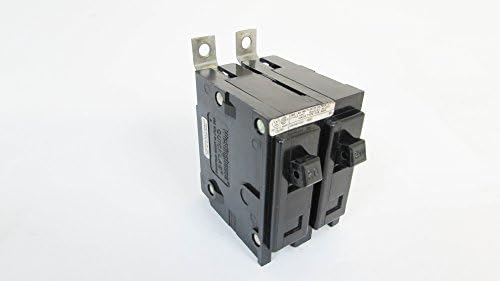
Figure 1: Angled view of the Westinghouse BAB2020 2-pole circuit breaker. This image shows the overall form factor and the two poles of the breaker.
2. Safety Information
WARNING: Electrical shock hazard. Installation and servicing of this circuit breaker must be performed by qualified personnel only. Failure to follow these instructions can result in serious injury or death.
- Always disconnect power at the main service panel before installing or servicing any electrical equipment.
- Verify that the voltage and current ratings of the circuit breaker match the requirements of the electrical system.
- Ensure all connections are tight and secure to prevent overheating and potential fire hazards.
- Do not use this device if it appears damaged.
- Adhere to all local and national electrical codes.
3. Installation Instructions
Installation of the BAB2020 circuit breaker requires careful attention to detail and adherence to safety protocols. It is recommended that a licensed electrician perform the installation.
3.1 Pre-Installation Checks
- Confirm that the main power to the electrical panel is OFF. Use a voltage tester to verify.
- Ensure the circuit breaker's ratings (20A, 120/240V, 2-pole) are compatible with the panel and the circuit it will protect.
- Inspect the circuit breaker for any physical damage.
3.2 Mounting the Circuit Breaker
- Locate the appropriate slot in the load center or panelboard for a 2-pole bolt-in breaker.
- Align the bolt-in terminals of the BAB2020 circuit breaker with the corresponding bus bar connections in the panel.
- Securely fasten the breaker to the bus bar using the provided bolts. Ensure a tight connection to prevent arcing and overheating.
- Connect the load wires to the appropriate terminals on the circuit breaker. Refer to the wiring diagram of your specific panel for correct connections.
- Tighten all terminal screws to the manufacturer's specified torque settings. Overtightening or undertightening can lead to issues.

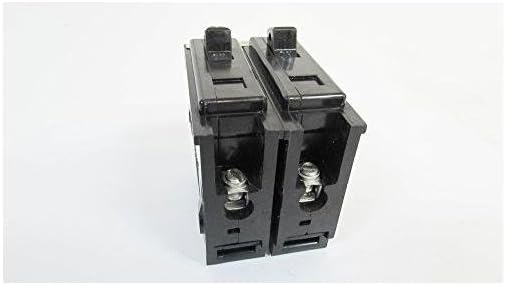
Figure 2: Front view (left) and bottom view (right) of the BAB2020 circuit breaker. The bottom view illustrates the bolt-in terminals for secure connection to the electrical panel's bus bar.

Figure 3: Close-up view of the product label on the BAB2020 circuit breaker, displaying important specifications such as voltage, amperage, and certification marks.
4. Operating Instructions
4.1 Turning Power On/Off
- To turn the circuit ON, push the breaker handle firmly to the "ON" position.
- To turn the circuit OFF, push the breaker handle firmly to the "OFF" position.
4.2 Resetting a Tripped Breaker
If an overcurrent or short circuit occurs, the breaker will "trip" to protect the circuit. The handle will typically move to an intermediate position between "ON" and "OFF".
- First, identify and correct the cause of the trip (e.g., unplug overloaded appliances, fix short circuits).
- Move the breaker handle completely to the "OFF" position. You may feel a slight click.
- Then, push the handle firmly to the "ON" position.
- If the breaker immediately trips again, do not attempt to reset it. Contact a qualified electrician.
5. Maintenance
The Westinghouse BAB2020 circuit breaker is designed for minimal maintenance. Regular visual inspections are recommended.
- Periodically inspect the breaker for any signs of physical damage, discoloration, or loose connections.
- Ensure the area around the circuit breaker in the panel is clean and free from dust or debris.
- Do not attempt to open or repair the circuit breaker. There are no user-serviceable parts inside.
- If any issues are observed, or if the breaker frequently trips without an apparent cause, consult a qualified electrician.
6. Troubleshooting
6.1 Breaker Trips Frequently
- Possible Cause: Circuit overload.
- Solution: Reduce the load on the circuit by unplugging or turning off some appliances. Distribute high-power devices across different circuits if possible.
- Possible Cause: Short circuit.
- Solution: A short circuit can be caused by damaged wiring or faulty appliances. Disconnect all devices from the circuit and try resetting the breaker. If it still trips, there may be a wiring issue. Contact a qualified electrician.
- Possible Cause: Ground fault (less common for standard breakers, but possible if wiring is compromised).
- Solution: If a ground fault is suspected, immediately contact a qualified electrician.
6.2 Breaker Will Not Reset
- Possible Cause: Persistent overload or short circuit.
- Solution: Ensure all loads are disconnected from the circuit. If the breaker still won't reset, there might be a severe fault in the wiring or the breaker itself is faulty.
- Possible Cause: Faulty circuit breaker.
- Solution: Circuit breakers can wear out over time. If all other causes are ruled out, the breaker may need replacement. This should be done by a qualified electrician.
For any persistent electrical issues, always consult a qualified electrician.
7. Specifications
| Brand | Westinghouse |
| Model Number | BAB2020 |
| Current Rating | 20 Amps |
| Voltage | 120/240 Volts |
| Number of Poles | 2 |
| Circuit Breaker Type | Standard, Molded Case |
| Mounting Type | Bolt-In (also listed as DIN Rail Mount in some specifications) |
| Item Weight | 12 ounces (0.75 lb) |
| Product Dimensions | 1 x 1 x 1 inches (approximate) |
| Manufacturer | EATON CORPORATION |
| UPC | 646826312158 |
8. Warranty and Support
For warranty information, technical support, or service inquiries regarding your Westinghouse BAB2020 circuit breaker, please contact Westinghouse customer service or the manufacturer, Eaton Corporation. Refer to the product packaging or the official Westinghouse website for the most current contact details and warranty terms.
Note: This manual provides general guidance. Specific installation and usage may vary based on local electrical codes and panel configurations. Always consult a qualified electrician for professional assistance.


