1. Introduction
This manual provides essential information regarding the ProTech AS-61579-05 Heat Exchanger, a critical component designed for efficient heat transfer within various HVAC systems, including those utilizing Rheem and Ruud units. Understanding its function, proper installation, and maintenance procedures is crucial for optimal performance and longevity.
The heat exchanger is responsible for transferring thermal energy from one medium to another without direct contact between the fluids. In heating systems, it typically transfers heat from combustion gases to the circulating air or water, ensuring comfortable indoor temperatures.
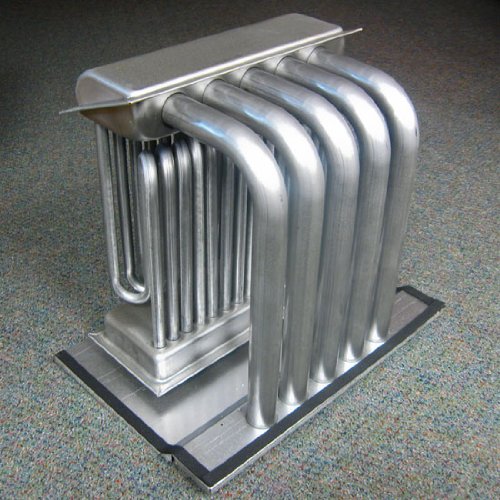
Figure 1: ProTech AS-61579-05 Heat Exchanger. This image displays the ProTech AS-61579-05 Heat Exchanger, a critical component for HVAC systems. It features multiple U-shaped tubes connected to a manifold, designed for efficient heat transfer.
2. Safety Information
Installation, maintenance, and repair of HVAC components, including heat exchangers, should only be performed by qualified and certified HVAC technicians. Failure to adhere to safety guidelines can result in property damage, serious injury, or death.
- Electrical Hazard: Ensure all power to the HVAC system is disconnected at the main breaker before beginning any work.
- Burn Hazard: Components may be hot. Allow sufficient time for the system to cool down before handling.
- Gas Hazard: If working with gas-fired systems, ensure gas supply is shut off and verified before disconnecting any gas lines. Check for leaks after reassembly.
- Sharp Edges: Wear appropriate personal protective equipment (PPE), such as gloves, to prevent cuts from sharp metal edges.
- Carbon Monoxide (CO) Risk: A damaged or improperly installed heat exchanger can lead to carbon monoxide leaks. Ensure proper ventilation and CO detection.
- Professional Installation: This component is designed for professional installation only. Do not attempt DIY installation unless you are a certified HVAC technician.
3. Setup and Installation
The ProTech AS-61579-05 Heat Exchanger is a replacement part for specific Rheem and Ruud furnace models. Its installation requires specialized tools, knowledge of HVAC systems, and adherence to local building codes and manufacturer specifications.
3.1 Pre-Installation Checks
- Verify that the new heat exchanger matches the specifications of the original part.
- Inspect the new unit for any shipping damage.
- Ensure all necessary gaskets and seals are available and in good condition.
3.2 Installation Procedure (Overview for Qualified Technicians)
- Disconnect all power and gas supplies to the furnace.
- Access the furnace cabinet and locate the existing heat exchanger assembly.
- Carefully disconnect all associated components (e.g., flue pipes, burner assembly, wiring, sensors).
- Remove the old heat exchanger.
- Install the new ProTech AS-61579-05 heat exchanger, ensuring proper alignment and secure connections.
- Reassemble all disconnected components, paying close attention to gas line connections and electrical wiring.
- Perform a thorough leak test on gas lines (if applicable) and a combustion analysis to ensure safe and efficient operation.
- Restore power and gas, then test the system's functionality.
Refer to the specific furnace model's service manual for detailed, step-by-step installation instructions.
4. Operating Instructions
The heat exchanger operates automatically as part of the furnace's heating cycle. It does not require direct user interaction for operation. Once installed and the furnace is powered on, the heat exchanger will perform its function when the thermostat calls for heat.
- When the thermostat signals a need for heat, the furnace's burners ignite, producing hot combustion gases.
- These hot gases pass through the heat exchanger's tubes.
- A blower motor circulates indoor air over the exterior surface of the heat exchanger.
- Heat is transferred from the hot combustion gases inside the tubes to the cooler indoor air flowing over the tubes.
- The heated air is then distributed throughout the building's ductwork.
- Combustion byproducts are safely vented out of the building through the flue system.
Ensure your furnace's air filters are clean to maintain proper airflow over the heat exchanger, which is essential for its efficiency and longevity.
5. Maintenance
Regular maintenance of your HVAC system, including the heat exchanger, is vital for safety, efficiency, and extending the lifespan of the unit. Annual professional inspections are highly recommended.
5.1 Professional Maintenance
- Annual Inspection: A qualified technician should inspect the heat exchanger annually for cracks, corrosion, or other signs of wear. This is critical for preventing carbon monoxide leaks.
- Cleaning: The technician can clean the heat exchanger surfaces to remove soot and debris that can accumulate and reduce efficiency.
- Combustion Analysis: Ensure proper combustion and venting of flue gases.
5.2 User Maintenance (General HVAC System)
- Air Filter Replacement: Regularly replace or clean your furnace's air filter as per the furnace manufacturer's recommendations. A clogged filter restricts airflow, causing the heat exchanger to overheat and potentially crack.
- Clear Vents: Ensure all supply and return air vents in your home are unobstructed.
- Carbon Monoxide Detectors: Install and regularly test carbon monoxide detectors in your home.
6. Troubleshooting
Many furnace issues can be resolved by checking basic components. However, issues related to the heat exchanger often require professional diagnosis and repair due to safety concerns.
| Symptom | Possible Cause | Action |
|---|---|---|
| Reduced Heating Efficiency | Clogged air filter, dirty heat exchanger, or internal damage. | Check/replace air filter. If issue persists, contact a qualified HVAC technician for inspection and cleaning of the heat exchanger. |
| Unusual Noises (e.g., rattling, banging) | Loose components, debris inside the furnace, or a cracked heat exchanger. | Turn off the furnace immediately. Contact a qualified HVAC technician for diagnosis. A cracked heat exchanger is a serious safety hazard. |
| Yellow/Orange Flame at Burners | Indicates incomplete combustion, potentially due to a cracked heat exchanger or poor ventilation. | This is a critical safety issue. Turn off the furnace and gas supply immediately. Ventilate the area. Contact a qualified HVAC technician for immediate inspection. Do not operate the furnace until repaired. |
| Soot Accumulation | Poor combustion or restricted airflow. | Contact a qualified HVAC technician for a combustion analysis and system inspection. |
Warning: Never attempt to repair a cracked heat exchanger yourself. This component is critical for safety, and any damage can lead to carbon monoxide poisoning. Always consult a certified HVAC professional.
7. Specifications
| Attribute | Detail |
|---|---|
| Product Name | Heat Exchanger |
| Model Number | AS-61579-05 |
| Compatible System Model (Example) | BHD-651-G (Rheem/Ruud systems as listed in description) |
| Brand | ProTech (Manufacturer: RHEEM) |
| Application | HVAC Furnace Systems (Rheem/Ruud) |
| Date First Available | September 14, 2012 |
Note: This heat exchanger is used on various Rheem/Ruud models including SGDG, RGDG, RGDJ, RGPH, RGPJ, RGPK, RGPL, RGPN, RGPP, RGPQ, RGPR, RGVH, RGVJ, 80PJ, 80PS, RGPE, RGPS, RGPT, SGPG, SGPN. Always verify compatibility with your specific furnace model.
8. Warranty and Support
For information regarding the warranty of your ProTech AS-61579-05 Heat Exchanger, please refer to the documentation provided at the time of purchase or contact the seller directly. Warranty terms typically cover manufacturing defects and may vary.
For technical support, installation assistance, or to schedule professional service, please contact a certified HVAC technician or the original equipment manufacturer (Rheem/Ruud) for guidance specific to your furnace model.
You may also visit the ProTech Store on Amazon for additional product information, though direct technical support for installation and repair should come from qualified professionals.


